
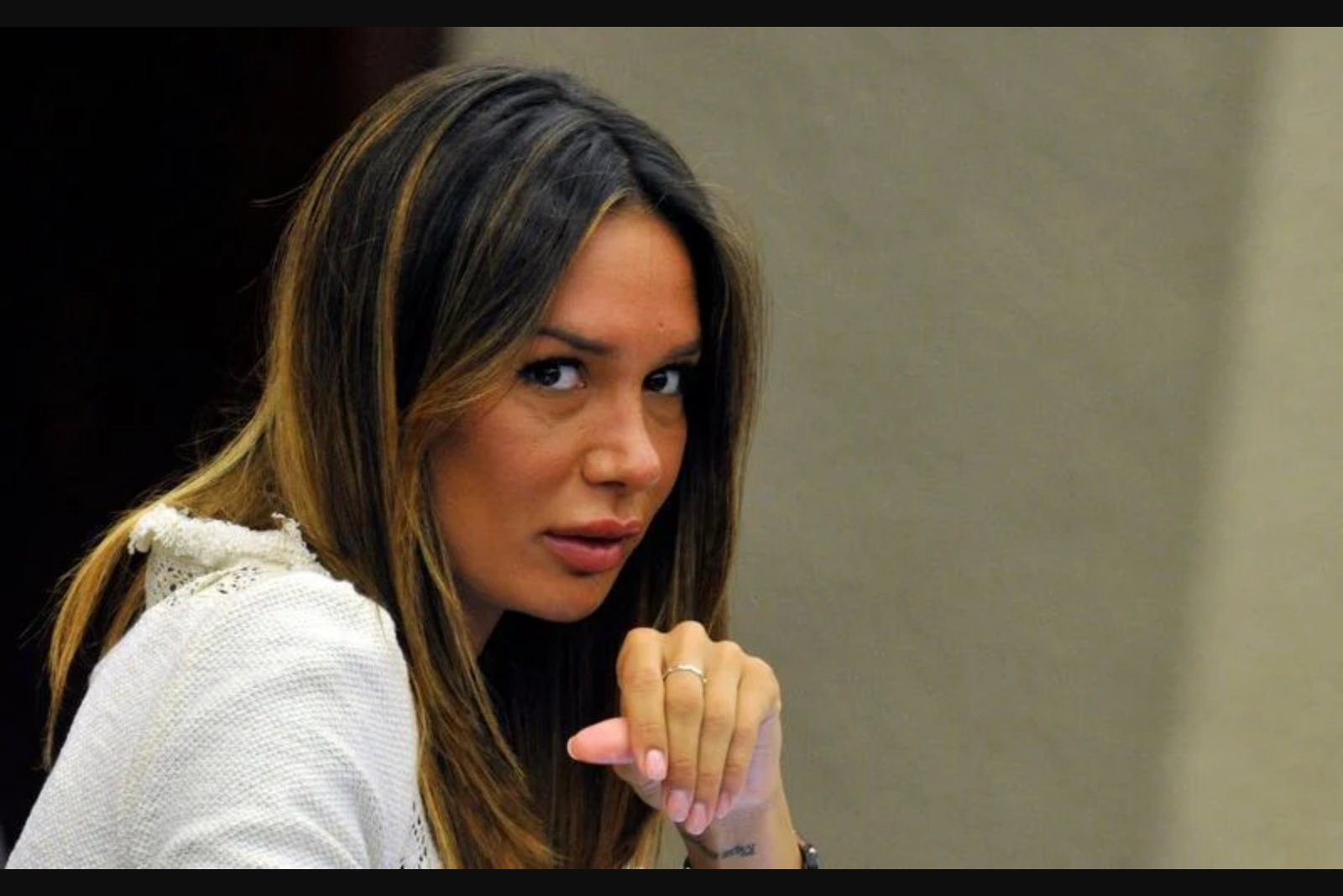
MILAN, June 3 - Prosecutors in Milan announced on Wednesday that their review of a presidential pardon issued to a former showgirl has produced no evidence warranting reversal of the clemency decision. The pardon, granted earlier this year, had prompted scrutiny over aspects of the beneficiary's application, including the international adoption cited as a humanitarian reason for compassion.
The beneficiary, Nicole Minetti, received a 2019 sentence of two years and 10 months for procuring sex workers in connection with gatherings linked to Silvio Berlusconi. She later was handed an additional 13-month sentence for misuse of public funds. Because the total sentence remained below four years, Minetti was not required to serve a prison term, but she was instructed to perform community service.
Minetti sought a presidential pardon on humanitarian grounds, asserting that she could not be absent from her adopted child's side due to the child's poor health. The pardon was granted in February. Subsequent media reporting raised questions about inconsistencies in Minetti's case and specifically about the adoption, which occurred in Uruguay and formed a central element of her plea for clemency.
In an atypical step, President Sergio Mattarella requested the justice ministry in April to confirm that the pardon had been handled correctly. That request triggered checks involving police and Interpol to determine whether any falsehoods had been presented in the pardon application.
The prosecutor general's office in Milan said its investigation did not uncover any wrongdoing. In a statement, prosecutors wrote: "Facts reported in press articles ... do not correspond to the truth and no elements have emerged that conflict with the evidence already gathered." The inquiry found the foreign adoption had been lawfully recognised in Italy, with no legal challenge from the biological parents recorded.
Prosecutors also said there were no ongoing investigations connected to Minetti or her partner overseas. Press allegations claiming Minetti had participated in recent drug-fuelled gatherings in Uruguay were dismissed by investigators.
Separately, investigators confirmed the serious medical condition of the adopted child. Prosecutors said the child requires continued care at Boston Children's Hospital and that the child's treatment necessitates the presence of his mother during care.
With the investigative findings published, authorities said there are no grounds to reopen or revisit the presidential pardon. Opposition figures had sought accountability over the clemency process, calling for the resignation of Justice Minister Carlo Nordio, who had recommended granting the pardon. They argued the episode revealed shortcomings in the procedures used to evaluate requests for clemency.
Context and implications
The inquiry into the pardon combined document verification, international checks and confirmation of medical circumstances. Prosecutors' confirmation that the adoption was legally recognised in Italy and that no foreign investigations were pending effectively removes the stated factual bases for challenging the clemency that was issued in February.
While political criticism has followed the pardon, the legal review concluded without identifying conflicts or undisclosed elements that would alter the decision. The finding resolves the narrow legal questions examined by Milan prosecutors, though political debate over the handling of pardon applications has continued.