
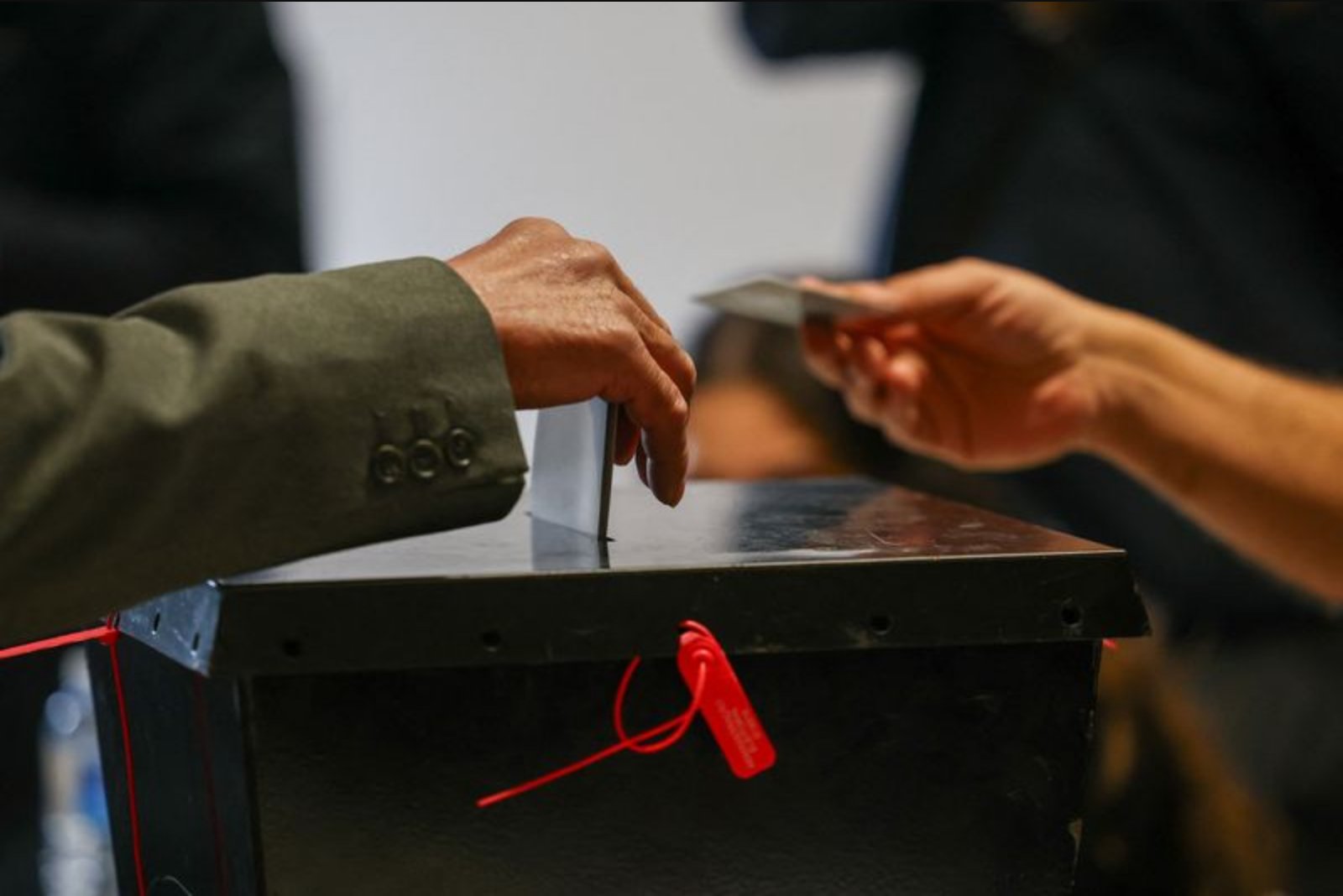
Portugal moved to the second round of its presidential election on Sunday, with citizens choosing between Antonio Jose Seguro, representing the left, and far-right candidate Andre Ventura. Multiple opinion surveys released before voting day indicated Seguro was on track for a commanding victory, receiving well in excess of 50% of the vote - roughly double Ventura’s expected share.
In the days leading up to the runoff, a series of storms produced heavy rain and strong winds across the country. Authorities said the weather prompted three municipal councils in southern and central Portugal to delay their elections by one week. The postponements affect about 37,000 registered voters, representing 0.3% of the national electorate. Despite the local disruptions, election officials confirmed that partial official results would be published on Sunday night as scheduled, with reporting beginning at 8 p.m. (2000 GMT).
As conditions improved and the rain and wind eased, voters queued at polling stations, though turnout appeared lower than in the first round. That initial round featured 11 candidates and recorded the highest voter participation in 15 years.
"I don’t think turnout is lower because of the bad weather. There may actually be fewer votes because many people are not interested. People look at the candidates and don’t really identify with them," said 77-year-old Lisbon voter Aires Loureiro.
Following the first round, Seguro secured endorsements from prominent conservative figures who expressed concerns about Ventura’s populist and what they described as undemocratic tendencies. The Portuguese presidency is primarily ceremonial but retains several important constitutional powers, including the authority to dissolve parliament under certain circumstances. Ventura has said he would favor a more "interventionist" presidency, advocating for increased powers for the head of state.
Public opinion polls show a substantial portion of the electorate reluctant to back Ventura: roughly two-thirds of respondents indicated they would never vote for him. Still, the runoff is expected to augment Ventura’s visibility and political standing. His anti-establishment, anti-immigration Chega party rose to prominence in last year’s general election, becoming the second-largest force in the national parliament. Some projections suggest Ventura could approach or even exceed the 31.2% support level that the ruling centre-right alliance won in 2025.
At a Lisbon polling station, 35-year-old Rute Trindade voiced hope that the election might prompt improvements in official responses to recent storms. "Of course, a president doesn’t have the same power or legislative capacity as a prime minister or parliament, but they can still try to make some difference," she said, referencing widespread criticism that the government had been slow to address storm impacts.
Sunday’s vote thus combined weather-related logistical disruptions, voter disengagement expressed by some citizens, and the broader political dynamic of a far-right candidate consolidating a growing base. Partial counts will be released later in the evening, and final tallies for the areas that postponed voting will follow once ballots there are cast and processed.