
Poland and Italy confirmed on Wednesday that they will not become members of U.S. President Donald Trump’s Board of Peace, joining other allied governments that have so far stayed on the sidelines of the initiative.
The Board of Peace was initially presented as a tool to help consolidate a ceasefire in Gaza. According to U.S. statements, the administration envisions the body potentially taking on a wider remit in mediating global disputes - a scope that has raised concerns among some countries that the board could evolve into a rival to the United Nations.
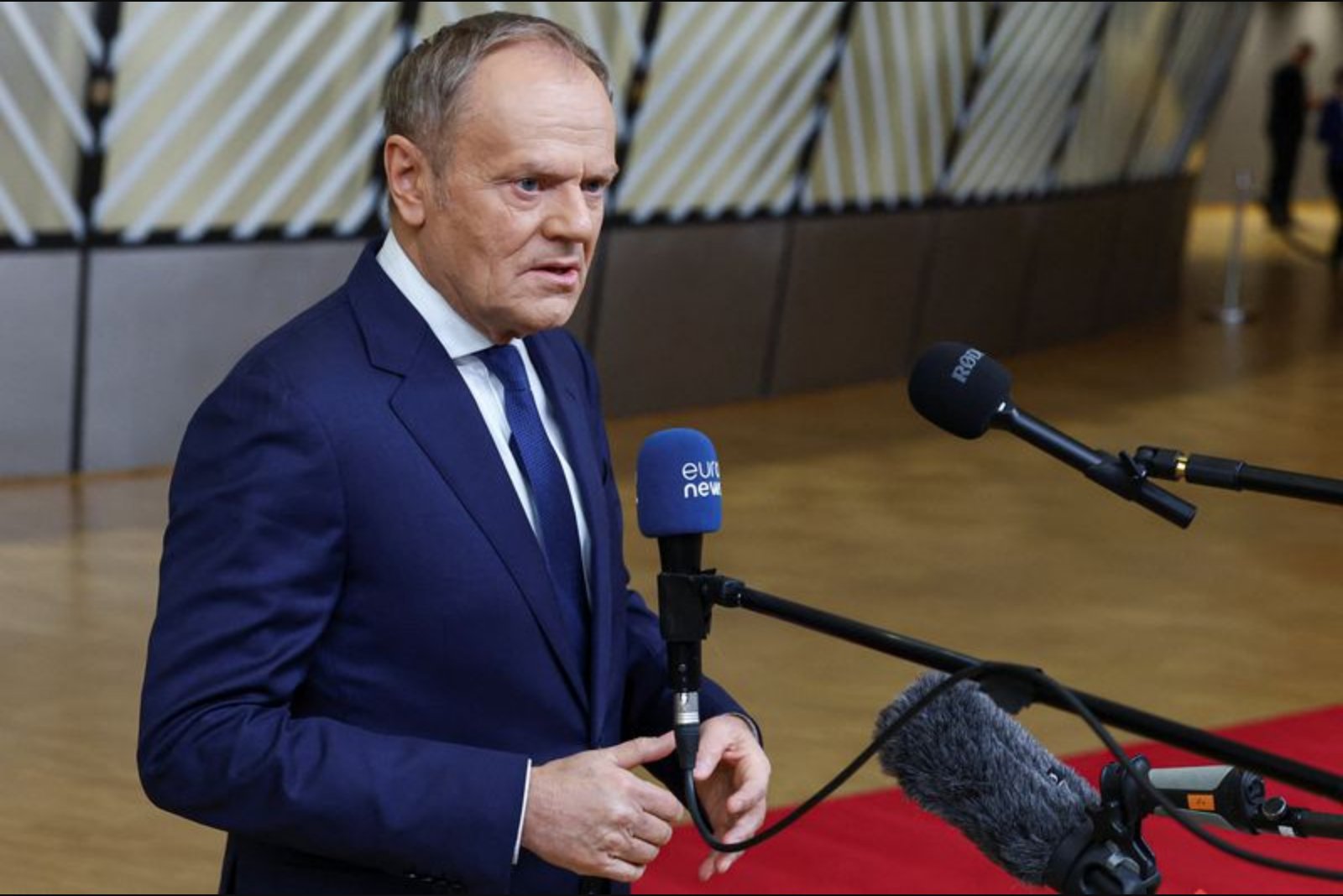
Poland’s decision was announced by Prime Minister Donald Tusk, who spoke at a government meeting. "Taking into account certain national doubts regarding the shape of the board, under these circumstances Poland will not join the work of the Board of Peace, but we will analyse it," he said. Tusk emphasized that relations with the United States remain a priority for Poland, adding that Warsaw would not rule out participation if the circumstances change to allow for it.
The Polish leader was scheduled to meet later on Wednesday with President Karol Nawrocki at a National Security Council session, where the Board of Peace was listed on the agenda.
In Rome, Foreign Minister Antonio Tajani confirmed Italy would similarly refrain from joining the initiative. "We cannot join the Board of Peace because there is an insurmountable constitutional barrier on Italy’s side," he told Sky TG24. He also said: "However, if we need to work on reconstruction efforts aimed at ensuring peace in the Middle East, we are ready to do so."
Italian officials say the country's constitution permits participation in international organizations only on equal footing with other states. Rome has concluded that the current statute of the Board of Peace does not meet that requirement because it grants extensive executive powers to President Trump.
Italian Prime Minister Giorgia Meloni, who has a close political relationship with President Trump, publicly requested last month that he amend the board's terms so Italy could join. The existing formulation of the board has therefore prevented Italy from signing up, despite indications Rome would participate in reconstruction work related to Middle East peace efforts.
The invitations extended to Russia and Belarus have been cited as an additional reason many Western countries have adopted a cautious posture toward the board. Those invitations, together with unresolved questions about the board's authority and membership rules, have left several allies hesitant to engage at this stage.
Both Warsaw and Rome said they would continue to monitor developments and evaluate any future changes to the board's structure or mandate that might address their stated concerns.