
Summary
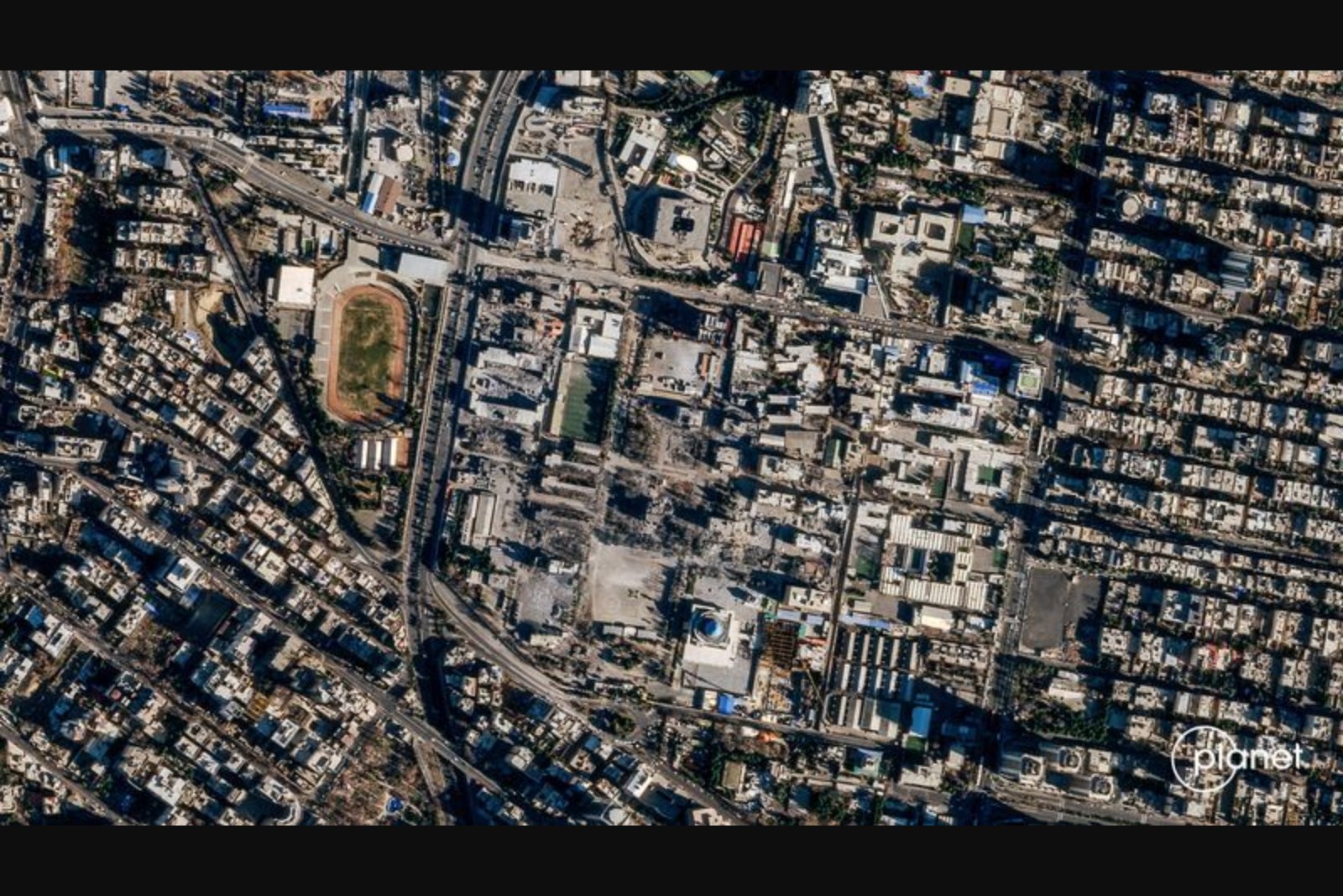
Planet Labs, a California-based operator of a large Earth-imaging satellite fleet, said it will indefinitely withhold publicly available images of Iran and the broader Middle East conflict zone in response to a request from the U.S. government. The company informed customers by email that imagery dating back to March 9 will be restricted and that releases will occur only under a "managed distribution of images" process for urgent, mission-critical needs or where the public interest justifies it.
Decision and scope
Planet Labs announced on Saturday by email to its customers that it had been asked by the U.S. government to halt public distribution of satellite visuals for the region affected by the recent hostilities. The company said the restriction applies to images going back to March 9 and that it expects the policy to remain until the conflict concludes. The move extends a prior temporary measure in which Planet Labs imposed a 14-day delay on imagery of the Middle East last month; that earlier step was described by the company as intended to prevent adversaries from exploiting commercial images to strike U.S. and allied forces.
Under the new arrangement, Planet Labs will adopt what it characterized as a managed distribution system. Imagery judged not to create safety risks may be released on a case-by-case basis, with priority given to urgent, mission-critical requests and instances where disclosure serves the public interest. In its customer communication, Planet Labs said: "These are extraordinary circumstances, and we are doing all we can to balance the needs of all our stakeholders." The company did not respond to further requests for comment.
Context of the conflict
The company tied its operational change to the ongoing war that began after U.S. and Israeli strikes on Iran on February 28. According to the company statement, the conflict expanded after Tehran retaliated with attacks on Israel and on U.S. bases located in Gulf states including Saudi Arabia, Kuwait and Bahrain.
The Pentagon declined to comment, saying it does not comment on intelligence-related matters.
Military and civilian uses of commercial imagery
The company noted, and industry observers have pointed out, that satellite imagery can be used for a range of military functions including target identification, weapons guidance, missile tracking and communications. The statement also emphasized that commercial satellite imagery serves journalists and academics studying regions that are otherwise difficult to access. Some specialists believe Iran could be obtaining commercial images, potentially through intermediaries or via imagery sourced by U.S. adversaries.
Industry responses
Responses among other commercial providers varied. Vantor, formerly Maxar Technologies, told Reuters it had not been contacted by the U.S. government. Vantor noted that it has long reserved the right to "implement enhanced access controls during times of geopolitical conflict" and said it currently applies such controls to parts of the Middle East. Those measures, the company said, can include restrictions on who can request new imagery or purchase existing photos of areas where U.S. forces and allies are actively operating, and locations that are being actively targeted by adversaries.
BlackSky Technology, another commercial provider contacted for comment, did not immediately reply.
Operational implications and next steps
Planet Labs' change shifts its standard commercial distribution model toward a more controlled regime in a narrowly defined region and timeframe tied to the conflict. The company said imagery will be released selectively to meet critical operational needs or the public interest, but it provided no detailed timeline for when full public access might resume. The firm also did not offer further specifics about how the managed distribution process will be implemented or which entities may qualify for case-by-case releases.
For now, the company has signaled that image withholding will stay in place until the fighting ends, and it has set March 9 as the earliest date for withheld imagery coverage.