
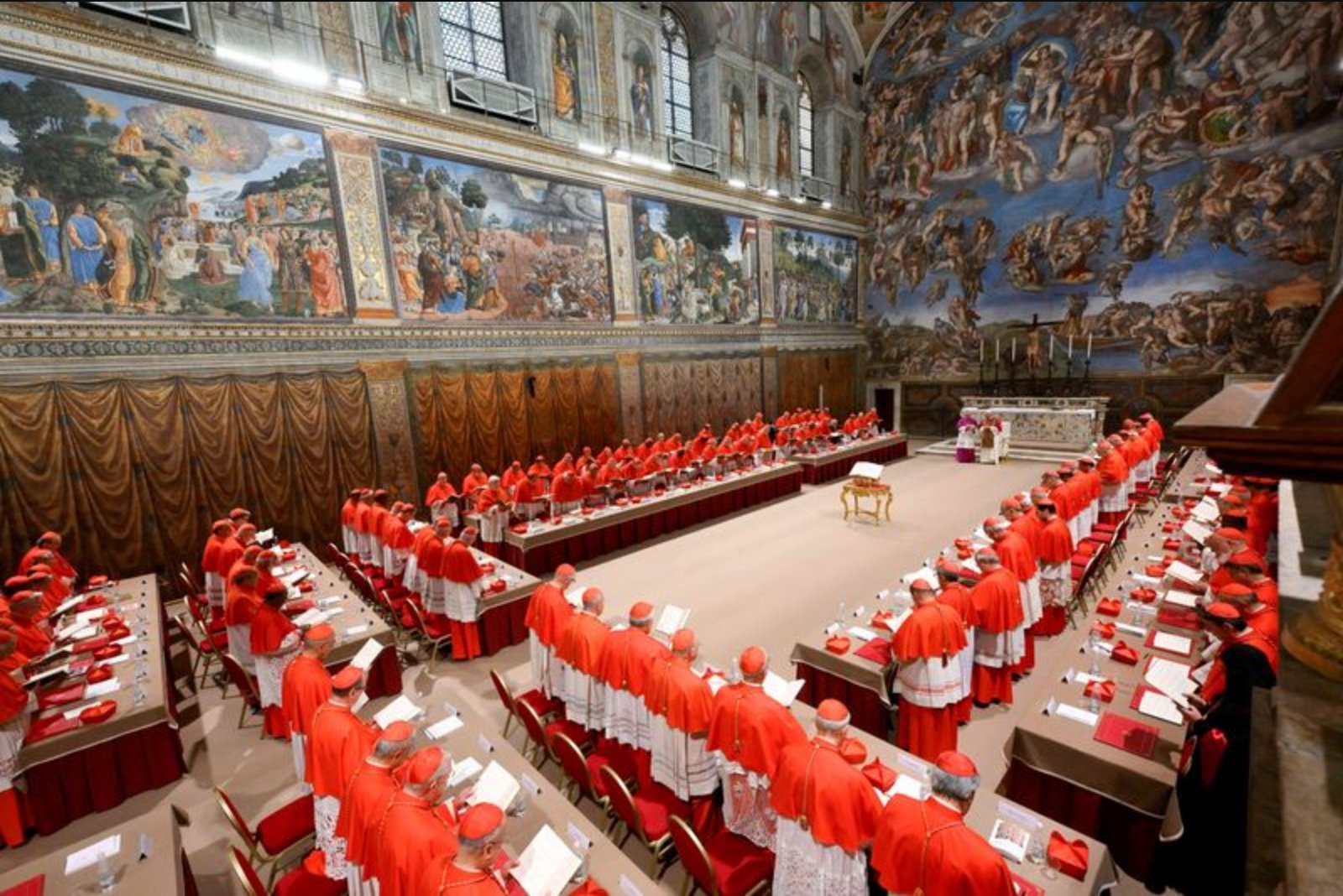
The secret election that produced Pope Leo was disrupted when a mobile phone was discovered on one of the 133 cardinals in attendance, according to a new book by two long-serving Vatican correspondents. The incident occurred as the cardinals prepared to take their opening vote inside the Sistine Chapel on May 7, a space in which jamming equipment had been installed to block outside communications.
Security officials monitoring the conclave detected the signal of an active mobile connection, prompting a moment of stunned silence among the assembled clerics. The phone turned out to be in the pocket of an elderly cardinal, who handed it over. The episode is recounted in "The Election of Pope Leo XIV," which was released on Sunday by authors Gerard O'Connell and Elisabetta Pique.
The book does not identify the cardinal involved and does not suggest a motive for why he retained the device. It reports that the man appeared "disoriented and distressed" after the discovery. The authors characterize the scene as unprecedented in the history of modern conclaves, calling it "unimaginable even for a film and never before seen."
Conclaves impose strict measures to prevent outside contact: participating cardinals take a vow to cut off communication with the outside world and surrender phones and other devices for the duration of the proceedings, which can extend over multiple days. The Sistine Chapel had been equipped with technology intended to enforce that restriction, yet the detection of an active connection showed that safeguards were not absolute.
One of the book's authors commented that the reality of the episode was more surprising than the portrayals of intrigue in a recent motion picture that dramatized a fictional papal election. The new account places the real incident alongside other behind-the-scenes details of an unusually watched and geographically diverse conclave.
The cardinals gathered for a two-day conclave on May 7-8 to choose a successor to Pope Francis, who died in April after 12 years leading the Church. The gathering included 133 cardinals from 70 countries, making it the most geographically varied conclave in history. Much of the public speculation at the time centered on whether a pope might be chosen from Asia or Africa, but the book reports that no candidate from those regions attracted significant support within the assembly.
Based on interviews with participating clerics, the authors disclose, for the first time, details of the voting. While it remains strictly forbidden for cardinals to reveal secret ballot specifics without permission from the new pope, it is common for journalists to obtain accounts of the internal proceedings from participants over time. The account in this book identifies two principal frontrunners who quickly emerged inside the Chapel: Italian Cardinal Pietro Parolin, a long-time Vatican official, and U.S. Cardinal Robert Prevost, a comparatively little-known figure outside Church circles.
According to the book, Prevost already secured an unusually large tally on the first evening ballot, receiving between 20 and 30 votes. Philippine Cardinal Luis Antonio Tagle, another name considered to be a contender prior to the conclave, received fewer than 10 votes throughout the proceedings, the book reports. On the fourth ballot, held on the afternoon of May 8, Prevost won with 108 votes and emerged as the new pontiff, Pope Leo. During the counting of that final vote, Tagle sat beside Prevost and offered him a cough drop to ease his throat.
The Vatican press office did not respond to a request for comment about the book, which presents a granular look at one of the world's most secretive electoral processes. The new narrative combines the extraordinary moment of a discovered phone with a detailed account of how votes coalesced around two main candidates and how the U.S. cardinal ultimately achieved the necessary support to become the first pontiff from the United States.
Context and implications
While the book refrains from naming the cardinal who retained the device or attributing intent, its account raises questions about the effectiveness of conclave security measures and the capacity for human error in highly controlled environments. The episode also provides rare transparency about internal vote dynamics in a conclave that was closely watched around the world.