
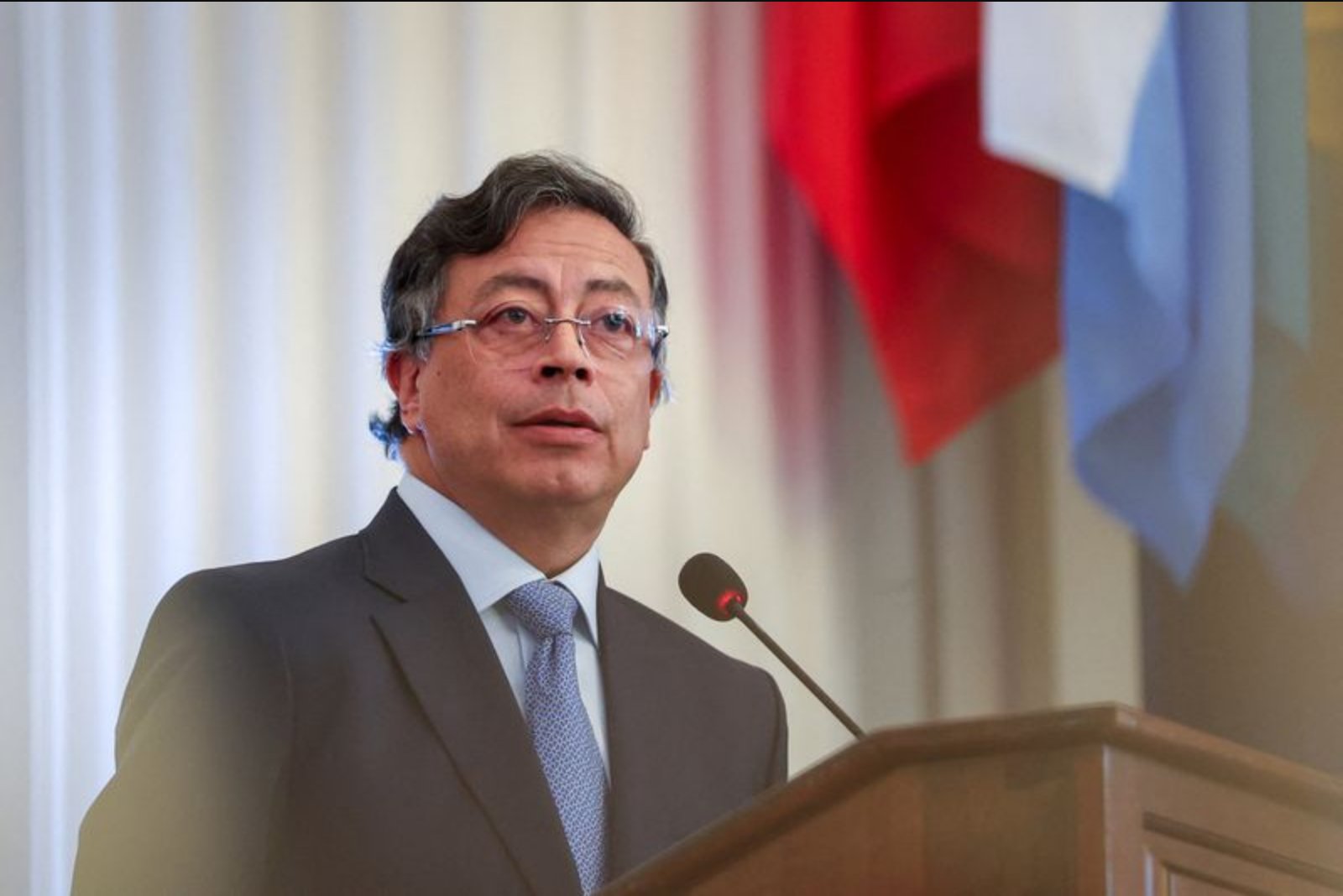
Bogota, March 12 - Colombia's President Gustavo Petro and U.S. President Donald Trump held a telephone conversation on Thursday, Petro's office said in a post on X, as Petro prepared to meet Venezuela's acting President Delcy Rodriguez. The exchange focused heavily on the economy along the Colombia-Venezuela border, which both sides expect to be the main subject at the bilateral meeting scheduled for Friday.
The official statement said the two leaders discussed a range of topics including energy, hydrocarbons, security, illicit crops, eradication efforts and cooperation in the fight against drug trafficking. Economic reactivation along the border and other bilateral matters were also on the agenda, the statement added.
"In the course of the conversation, the Colombian president extended an invitation to his U.S. counterpart to visit Cartagena, which was warmly received. President Trump, in turn, reiterated that President Petro will always be welcome in the United States and expressed apologies for any previous inconvenience related to an invitation to Miami," the statement said, noting Trump also wished Petro success in his meeting with Rodriguez.
The phone call came after a period of public friction between Petro and Trump, although the two were reported to have been positive following a face-to-face meeting in Washington last month. Trump has repeatedly pressed Colombia for greater cooperation in combating drug trafficking and has accused Petro, without providing evidence, of being an "illegal drug leader." Petro has pushed back, citing record drug seizures during his presidency, and has denounced deadly strikes on alleged drug boats as war crimes.
Petro's office characterized the dialogue as wide-ranging, noting that energy issues and hydrocarbons were part of the conversation along with security concerns and eradication of illicit crops. The leaders also addressed joint efforts to counter drug trafficking and discussed steps to reactivate economic activity on the border between Colombia and Venezuela.
The bilateral meeting between Petro and Rodriguez will be Rodriguez's first in-person presidential-level meeting since she assumed power following the ouster of her predecessor by the United States. The statement noted that Trump has supported a sequence of measures taken by Rodriguez, a former vice president, intended to attract investment in oil and mining and to stabilize the country since a January raid that led to the capture of President Nicolas Maduro. Trump has repeatedly praised Rodriguez for her cooperation with the United States, according to the statement.
This conversation underscores the interconnected set of diplomatic, security and economic issues shaping relations among Colombia, Venezuela and the United States at a moment of heightened attention to border dynamics and energy-sector investment opportunities.