
LIMA, June 10 - The count to decide Peru's next president slowed and tightened on the fourth day of tallying as incoming overseas ballots cut the lead of leftist candidate Roberto Sanchez and pushed the final result toward a likely legal settlement over contested votes.
With Peru's electoral authority, ONPE, reporting that 97.69% of votes have been tallied, Sanchez now holds roughly 50.03% of the vote compared with Keiko Fujimori's 49.97% - a margin of about 10,000 votes. The narrowing occurred as an influx of ballots cast outside the country arrived and were processed.
Only about 23% of the remaining polling stations to be counted are located inside Peru; the remainder are abroad. The foreign vote has overwhelmingly favored Fujimori so far, where she currently leads with about 63%.
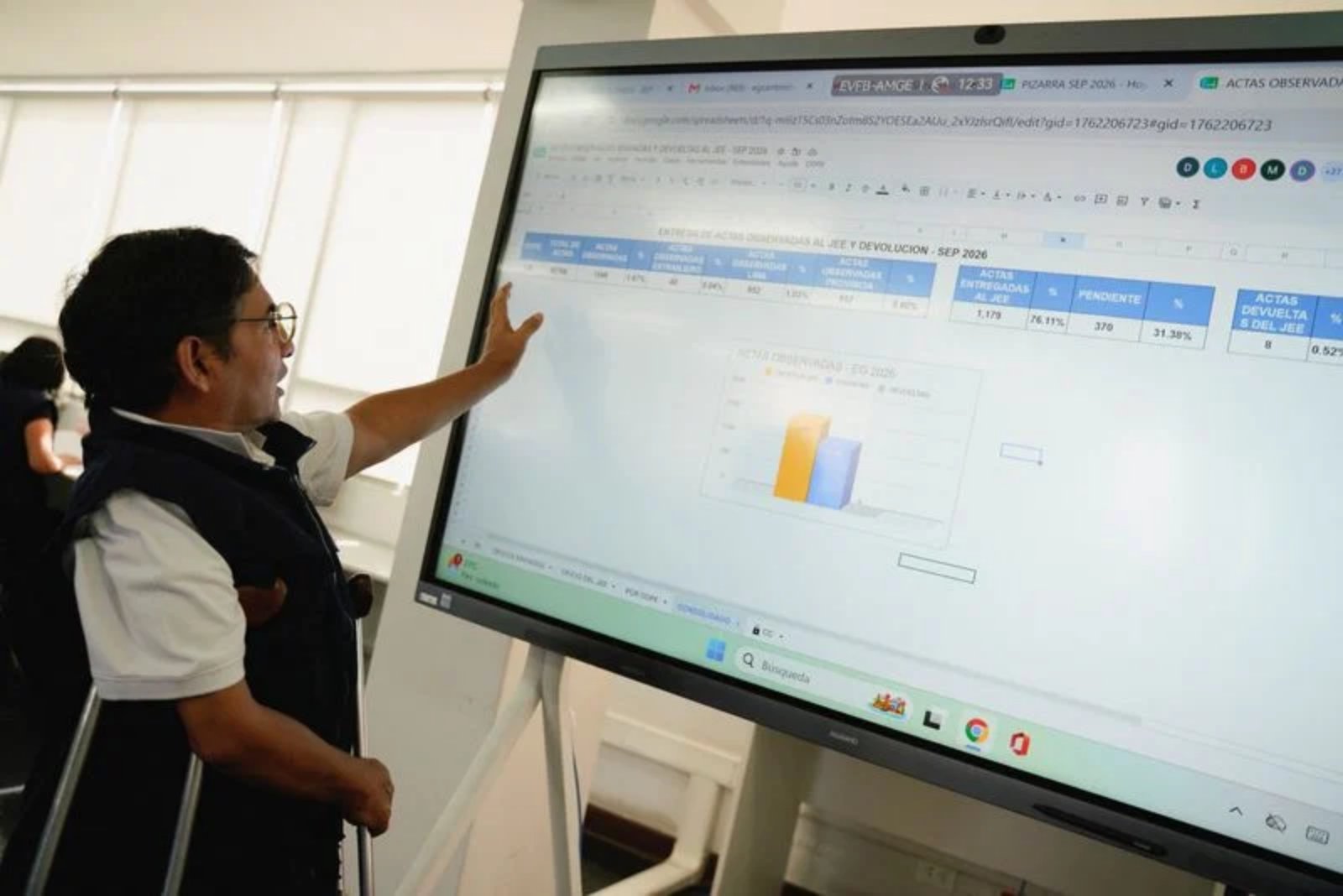
Alongside the ballots still to be counted, there is a significant volume of votes that have been flagged for judicial review. The number of votes under scrutiny is nearly double those still waiting to be counted and represents about 1.7% of all polling stations, creating a layer of legal complexity that could determine the ultimate outcome.
Omar Awapara, secretary general of the domestic election-monitoring group Transparencia, said the closeness of the tally means the eventual winner is likely to be decided during a review by Peru's Special Electoral Jury. He noted that "we’ll get to a point when the difference between the candidates is greater than the (contested) votes left to be counted, and then it will be clearer," and added that there are roughly 400,000 votes in the contested polling stations.
"There are still a lot of votes left to be counted that can sway things one way or the other," Awapara said, adding that the whole process could take a few weeks before a winner is determined. The scale of ballots under review and the mix of domestic and expatriate votes mean the path to a conclusive result is likely to pass through judicial channels rather than solely through the ongoing tally.
Both leading candidates urged patience as the count continued and avoided declaring premature victory. In a post on X on Wednesday morning, Sanchez wrote: "Only the people can save the people; we’ll defend the popular victory with hope and democracy." He added: "The maneuvers and will to twist democracy will face a democratic front and a resounding stance against authoritarianism. Long live the citizen and popular victory."
Markets reacted to the tightening race and the prospect of a contested resolution. Peru’s main stock index rose 1.2% on Wednesday after earlier volatility, while the sol was trading about 0.6% weaker against the dollar at 3.41.
Eileen Gavin, principal Americas analyst at risk intelligence firm Verisk Maplecroft, said markets appear to be positioning around the expectation that expatriate ballots - which tend to lean conservative - will help Fujimori close the gap. "Markets are banking on Fujimori getting over the line thanks to expatriate votes from abroad, which tend to lean conservative," she said. Gavin also noted that investors are assuming the conservative tilt of the newly constituted legislature - including the lower house and the returning Senate - will act as a brake on any populist executive moves regardless of who ultimately holds the presidency.
The combination of a near-even split in the official tally, a sizable expatriate vote favoring one candidate, and a significant block of ballots subject to judicial review means the process of declaring a winner could extend into a protracted review and legal examination. Election authorities, monitoring groups and market participants are watching closely as the count proceeds and as adjudication of contested stations progresses.
Key points:
- With 97.69% of votes counted, Roberto Sanchez leads Keiko Fujimori 50.03% to 49.97%, a margin near 10,000 votes.
- Only about 23% of remaining polling stations are domestic; overseas ballots, where Fujimori leads about 63%, are a decisive component of remaining counts.
- Roughly 1.7% of polling stations have votes flagged for judicial review, encompassing around 400,000 votes and likely drawing the Special Electoral Jury into the final decision.
Risks and uncertainties:
- Legal review of contested polling stations could delay the confirmation of a winner for several weeks - impacting market sentiment in the near term (financial markets, currency).
- The high share of expatriate ballots and their concentration in one candidate's favor introduces uncertainty into final vote totals - relevant to political risk assessments and investor expectations (equities, foreign exchange).