
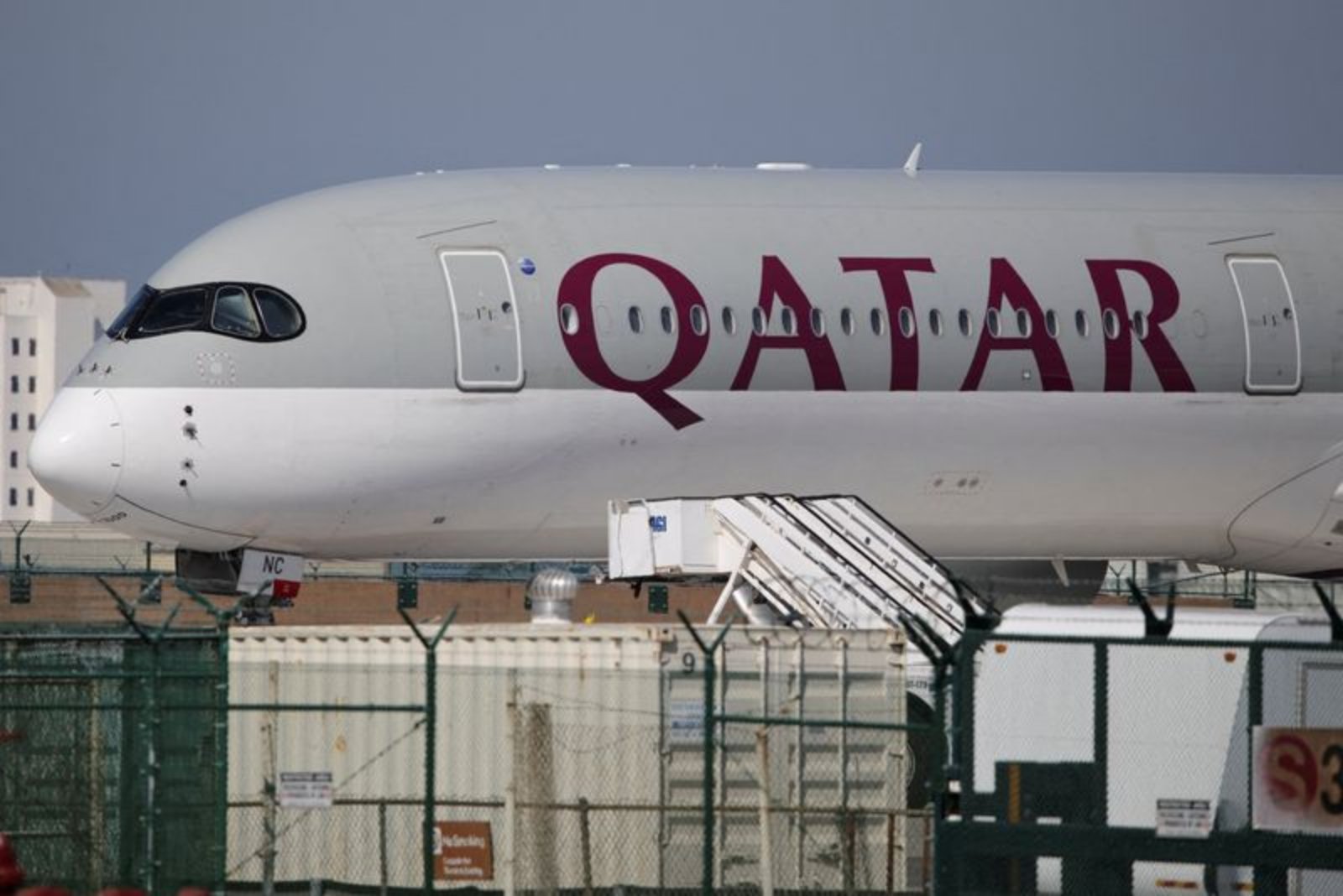
Air cargo movements of goods ranging from fresh fruit and temperature-sensitive medicines to airplane components and electronics have been disrupted as an intensifying Middle East conflict forces the suspension of passenger and freighter flights across the region. Key Gulf air hubs have been affected, producing a sharp contraction in global air cargo capacity and prompting shippers and carriers to brace for backlogs and higher transport costs.
Data compiled by aviation and logistics consultancy Aevean show global air cargo capacity fell 22% between February 28 and March 3 versus a comparable four-day period last month before the Chinese New Year holiday. The grounding of services covers both passenger aircraft - which carry a large share of commercial cargo in their bellies - and dedicated freighter flights operating through the Gulf.
"It is an absolute halt of the supply chain to the Middle East," said Abdol Moaberry, CEO of GA Telesis, a Florida-based parts and repair service provider. He said the firm cannot move replacement parts into the region or return items that require repair, a constraint with practical consequences for aircraft availability.
Air cargo moves about one-third of global trade by value, according to the airline industry group International Air Transport Association. That includes high-value electronics, pharmaceuticals that require temperature control, and time-sensitive auto and aerospace parts - all commodities that are typically routed by air when speed matters.
Routes and carriers most affected
Middle Eastern airlines supply roughly 13% of global air cargo capacity, Aevean reports, making the disruption in that geography particularly consequential for long-haul intercontinental trade lanes. The corridor linking Asia through the Middle East to Europe has seen capacity on that routing decline by 39% since the start of the conflict, even as direct China-Europe services expanded by 26% over the same comparison, according to Aevean.
Brian Bourke, chief commercial officer at SEKO Logistics, observed the impact will be uneven by region: Europe and the Asia-Pacific economies that commonly route cargo through Gulf hubs will feel a sharper, more immediate effect. "Companies in the U.S. should be paying attention," he said, "but it’s not as immediate as if you’re in Europe or Asia or Australia."
Some carriers may gain a short-term competitive edge. Joshua Ng, director at Alton Aviation Consultancy, noted Chinese airlines can operate through Russian airspace where others are restricted, enabling shorter flight times and potentially lower operating costs on certain long-haul sectors.
Rates and market signals
Freightos' air index indicates spot rates are already responding to the squeeze. Freight rates from Southeast Asia to Europe have risen more than 6% to $3.82 per kilogram since Friday, while South Asia rates have climbed 3% to Europe and 5% to the United States. "Whenever operational disruptions increase costs or reduce capacity, air cargo rates tend to experience upward pressure," said Ng. He added that shippers could see higher spot rates on the Asia-Europe corridor in the near term if disruptions persist.
Stefan Paul, CEO of Swiss logistics group Kuehne+Nagel, cautioned that by the beginning of next week the fallout could translate into "certain backlogs arising in Southeast Asia and in China for the European and the U.S. marketplace."
Aircraft maintenance and parts movement
Critical aircraft spares are heavily dependent on air transport, meaning the suspension of flights risks delaying maintenance and aircraft returns to service. Kuehne+Nagel reported aerospace air shipments to and from the region represented 6.7% of global aerospace shipments in 2025, underscoring the regional role in the aviation supply chain.
"Even if the aircraft is not flying because of the war, the aircraft still has to be airworthy for when the skies open up," said Amyr Qureshi, senior vice president at Aventure Aviation, which supports about 70 airlines including Etihad Airways, Emirates and Qatar Airways. Aventure stocks essential components such as engine valves and avionics at a U.S. distribution center in Atlanta and has received urgent part requests from carriers. In some cases a single missing part can prevent an aircraft from leaving maintenance, he said, producing a "domino effect" of grounded planes.
There are signs of selective recovery: Qureshi said parts that were due to ship from Dubai to his Atlanta repair facility were collected by a freight forwarder on Wednesday. "There is a gradual improvement," he said, while warning that operations remain fragile and can be upended suddenly.
Supply chain implications
The immediate result of the capacity reduction and rising rates is a tighter market for time-sensitive and high-value goods moved by air. For sectors that depend on rapid delivery - perishable food, pharmaceuticals, certain electronics and aircraft maintenance - the disruption can mean spoilage risks, production delays and aircraft downtime. Logistics providers and shippers are monitoring capacity re-routings and spot market pricing closely as they manage inventory and contingency flows.
At present, the situation reflects a constrained air cargo network centered on Gulf hubs, pricing pressure on affected corridors and the potential for mounting backlogs if normal flight operations do not resume rapidly.