
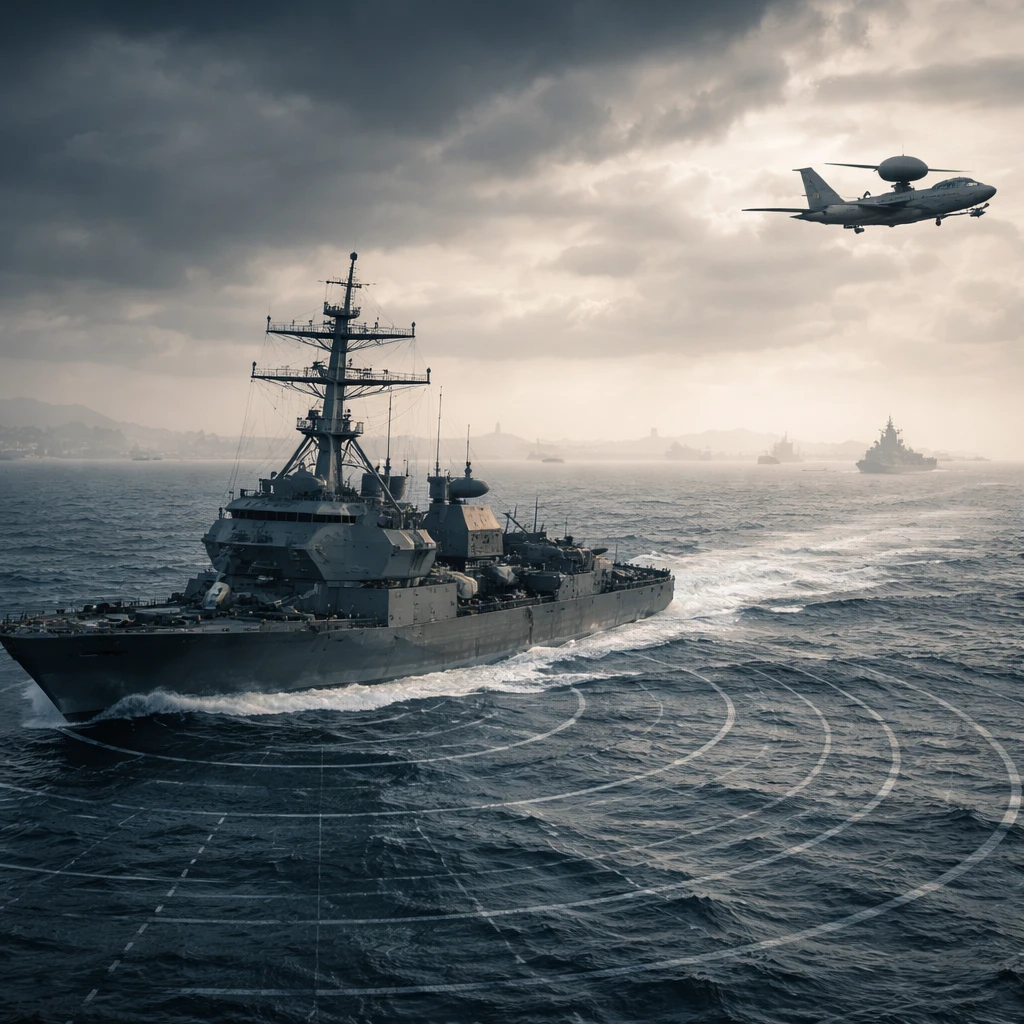
Three officials familiar with intelligence assessments say Russia has supplied Iran with targeting information identifying the locations of U.S. warships and aircraft in the Middle East. The officials characterized the material as targeting data but did not define its full scope or the extent of Moscow's involvement.
It remains unclear how extensive Russia's support is, the officials said, and Iranian forces may be relying more on outside assistance since their own ability to find U.S. assets appears to have been degraded in the wake of U.S. and Israeli strikes on Iranian targets last week. Those strikes followed a period of mounting tension that has since escalated into broader exchanges of fire.
The broader confrontation has produced retaliatory strikes by Iran and has drawn in neighboring countries as Tehran seeks to impose what it describes as significant costs on the United States, Israel and allied partners. U.S. authorities have reported combat losses: the Pentagon identified six U.S. reserve soldiers killed in Kuwait after a drone struck a U.S. military facility at Port Shuaiba.
Senior U.S. officials, including the former president, have warned that the confrontation will likely cause additional U.S. military fatalities. A White House spokeswoman declined to directly address whether Russia was providing the specific assistance described by the intelligence officials. In a prepared statement she said, in response to questions, that "the Iranian regime is being absolutely crushed. Their ballistic missile retaliation is decreasing every day, their navy is being wiped out, their production capacity is being demolished, and proxies are hardly putting up a fight."
Kremlin officials said Russia remains in dialogue with representatives of Iran's leadership but declined to detail whether those discussions include assistance of the type described by the intelligence officials.
Analysts note an economic facet to the confrontation: the conflict has coincided with a marked rise in demand for Russian oil and gas, providing a boost to exports that had been constrained by sanctions tied to Moscow's war in Ukraine. That uptick in energy demand has benefited Russia's trade flows even as the geopolitical environment has grown more volatile.
U.S. practice of sharing intelligence has precedent in other conflicts; officials have acknowledged that Washington supplied intelligence to Ukraine in its war with Russia. Russian diplomatic missions in Washington and at the United Nations did not immediately respond to requests for comment about the new allegations.
Reporting limitations - The officials cited in this account were described as familiar with the intelligence assessments; details about the exact nature, methods and timing of the material Russia purportedly provided were not specified.