
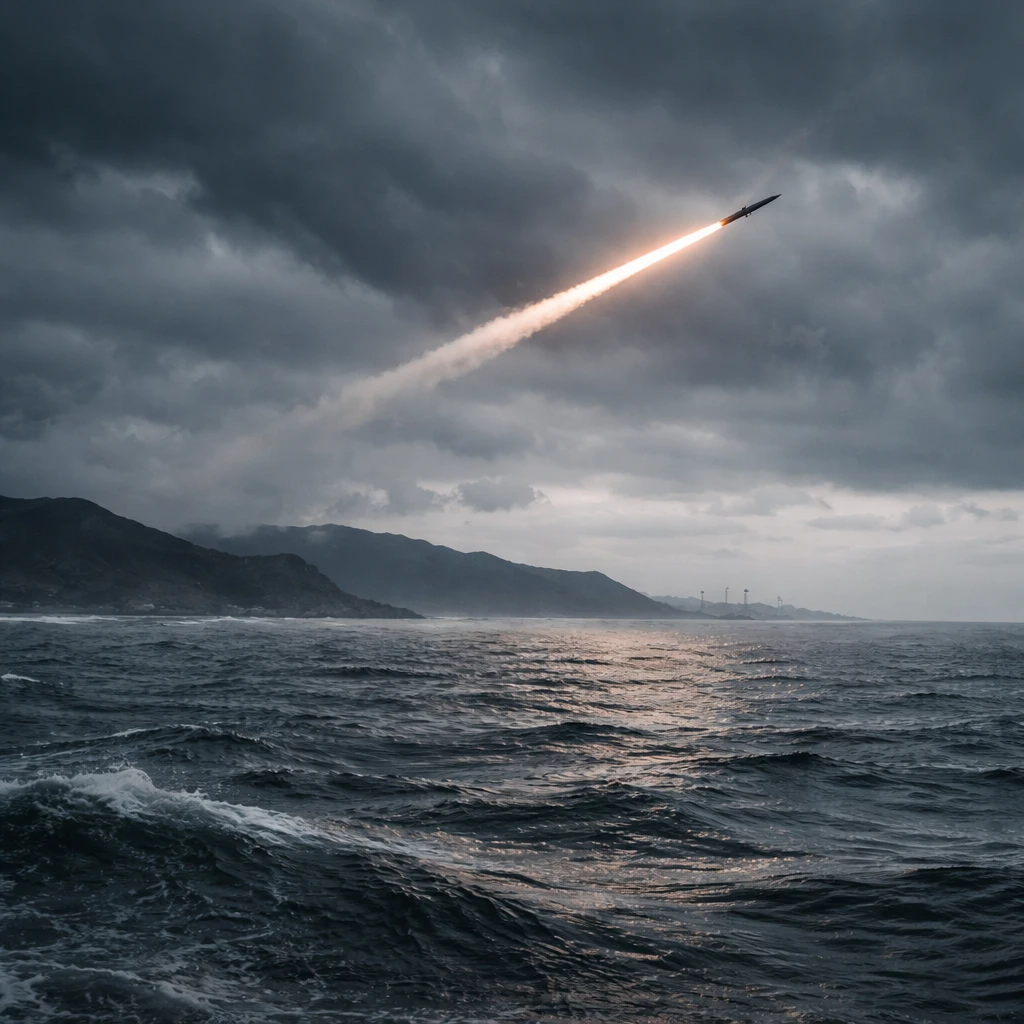
North Korea launched a projectile toward the sea on Saturday, South Korean and Japanese authorities said, with Tokyo indicating the object may have been a ballistic missile as allied forces carried out joint drills.
The South Korean military issued a brief statement to reporters saying the projectile was fired toward the sea off North Korea's east coast but did not provide further detail. Japan's coast guard reported that the object appeared to have fallen into the sea, and Japan's public broadcaster NHK, citing defence ministry sources, said the projectile appeared to have landed outside Japan's exclusive economic zone.
The launch occurred while the United States and South Korea were conducting coordinated military exercises. Seoul and Washington launched the major drills five days earlier; officials from both countries have described the manoeuvres as purely defensive and intended to test readiness against potential military threats from North Korea.
Pyongyang has repeatedly voiced strong objections to such exercises, frequently branding them as "dress rehearsals" for armed aggression by the allies. That rhetoric has been a consistent component of North Korea's response to joint U.S.-South Korea training, according to statements referenced by regional officials.
In a related diplomatic development, on Thursday South Korea's prime minister met with U.S. President Donald Trump in Washington to discuss approaches for reopening dialogue with North Korea. The two leaders addressed the issue of suspended engagement, noting that direct talks with Pyongyang have been suspended since 2019.
Authorities in Seoul and Tokyo offered limited public detail about the trajectory, altitude or classification of the projectile beyond Japan's assessment that it may have been ballistic and that it fell into the sea outside Japan's exclusive economic zone. No further public updates or follow-up technical assessments were provided in the initial announcements.
The timing of the launch, coming amid high-profile allied drills and recent diplomatic talks, underscores the narrow window for officials to assess intent and implication based on the sparse official statements available so far.
Summary
North Korea fired a projectile toward the sea off its east coast on Saturday during ongoing joint U.S.-South Korea military exercises. Japan suggested the object may have been ballistic and reported it landed outside the country's exclusive economic zone. South Korea's military confirmed the launch in a brief statement without additional specifics.