
World March 1, 2026

North Korea Condemns Israeli Strikes and U.S. Military Action as 'Illegal Aggression'

Pyongyang calls for regional responsibility to restore stability after Tehran strikes and a U.S. operation described as 'within the range of expectations'

By Derek Hwang
North Korea Condemns Israeli Strikes and U.S. Military Action as 'Illegal Aggression'

North Korea's foreign ministry denounced recent Israeli attacks on Iran and a U.S. military operation as illegal violations of sovereignty, calling the U.S. action predictable and blaming perceived U.S. hegemonic behavior. Pyongyang urged regional states and like-minded actors to act to restore peace and stability amid reports of strikes in Tehran that have raised concerns about broader instability in the Middle East.

Key Points

  • North Korea's foreign ministry labeled recent Israeli strikes on Iran and a U.S. military operation as "illegal aggression" and violations of national sovereignty.
  • Pyongyang described the U.S. action as "within the range of expectations," attributing it to what it called the "hegemonic and gangster-like" nature of the United States.
  • The statement urged regional countries and other parties with shared interests to assume responsibility for restoring peace and stability; reported strikes in Tehran have raised fears of widespread instability in the Middle East. Sectors that could be sensitive to such developments include energy and defense.

North Korea's foreign ministry issued a formal statement condemning what it described as "illegal aggression" by Israel and the United States, state media Korean Central News Agency reported on Sunday. The ministry said the actions amounted to violations of national sovereignty and rejected them as unacceptable under any circumstances.

In the statement, Pyongyang characterized the U.S. military operation as "within the range of expectations," arguing that such an outcome flowed from what the statement called the "hegemonic and gangster-like" nature of the United States. The statement labeled the combined actions of the United States and Israel a "war of aggression" and said they could not be tolerated.

North Korea also called on regional countries and other parties with shared interests to assume responsibility for restoring peace and stability in the Middle East. The statement did not specify measures or identify which countries should lead such efforts; it presented the call as a general appeal to those with a stake in regional order.

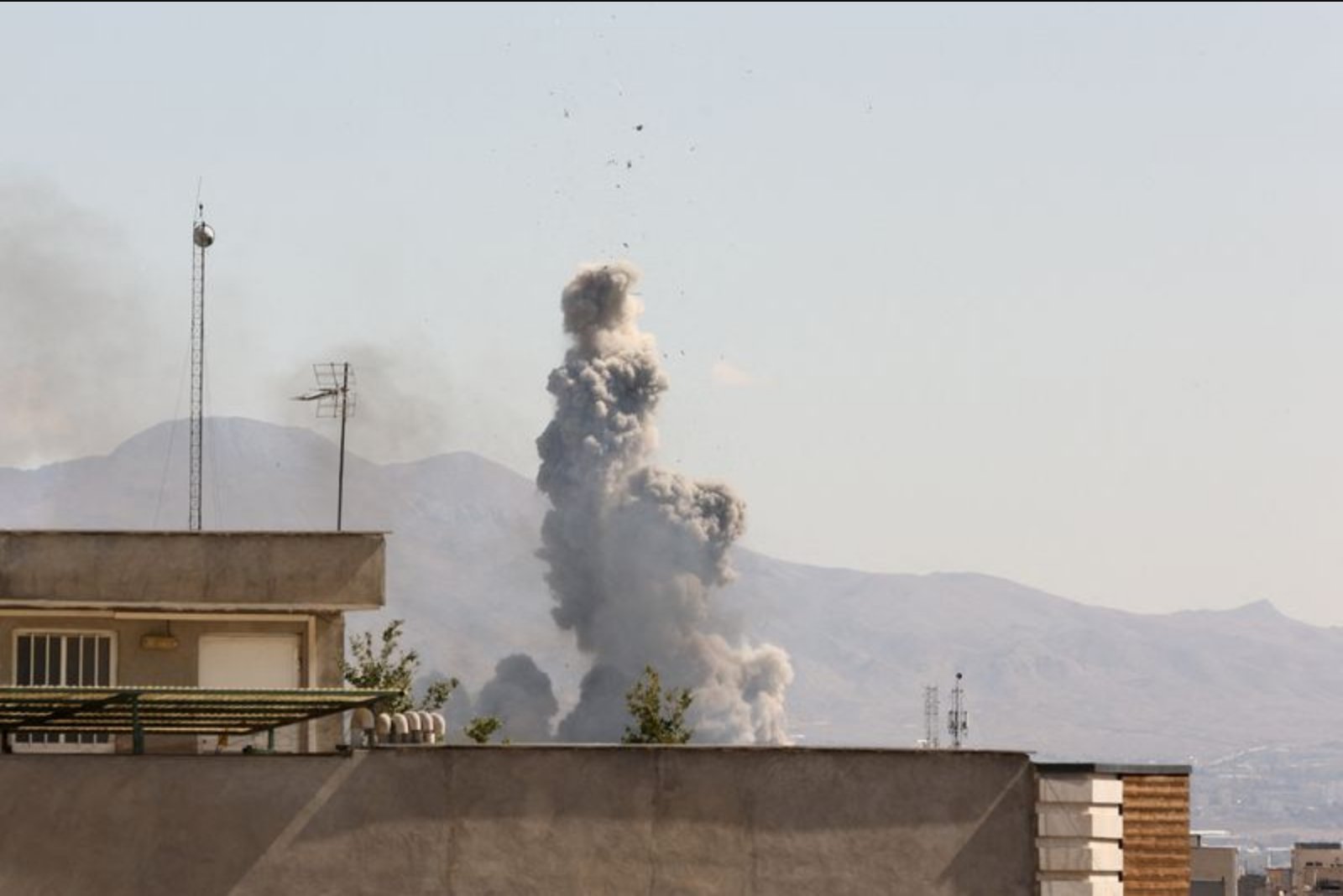
Separately, Israel's military reported on Sunday that it had carried out a broad wave of strikes in the heart of Tehran following an air force operation that killed Iran's Supreme Leader Ayatollah Ali Khamenei. Those reported strikes in Tehran, the statement said, have raised fears of widespread instability across the Middle East.

The North Korean pronouncement, as conveyed by the state news agency, framed the events as symptomatic of coercive foreign policies and presented a diplomatic appeal for others in the region to take action aimed at reestablishing stability. The statement juxtaposed condemnation of the military actions with a call for collective responsibility for peace, without outlining concrete steps or a timeline for such involvement.


Contextual summary

State media published the foreign ministry's statement on Sunday, criticizing both Israeli strikes against Iran and a U.S. military operation. Pyongyang described the U.S. operation as predictable and attributable to what it called the United States' hegemonic behavior. The statement urged regional actors and interested parties to work to restore peace and stability after reported strikes in Tehran raised wider concerns about instability in the Middle East.

Risks

  • Potential escalation of hostilities following reported strikes in Tehran, which the article notes have raised fears of wider instability in the Middle East - risk to regional security and energy supplies.
  • Uncertainty over how regional countries and other interested parties will respond to North Korea's call to restore peace and stability - diplomatic and geopolitical risk.
  • Risk of further military actions framed as 'illegal aggression' by states like North Korea, which may complicate diplomatic efforts and heighten tensions in affected markets.

More from World

EU Officials See Chance for Change in Iran After Khamenei's Death, Warn of Instability Mar 1, 2026 Global Leaders Respond After Iran's Supreme Leader Reportedly Killed in U.S. and Israeli Strikes Mar 1, 2026 Divisions Surface Across Iran After Death of Supreme Leader Khamenei Mar 1, 2026 Britain Says U.S. Must Explain Legal Basis for Strikes That Killed Iran’s Supreme Leader Mar 1, 2026 Clashes Erupt at U.S. Diplomatic Sites in Pakistan and Iraq After Khamenei Killed Mar 1, 2026