
World July 7, 2026 09:40 AM

Nine nations pledge support for new multilateral defence bank, Canada says

Canada announces a nine-country commitment at the NATO summit to establish the Defence, Security and Resilience Bank, intended to mobilize up to £100 billion in low-cost financing and seek a triple-A rating.

By Hana Yamamoto
Share
Twitter Reddit Facebook LinkedIn

Canada announced at the NATO summit in Ankara that nine countries have pledged to back a proposed Defence, Security and Resilience Bank (DSRB). The initial endorsers will set the bank’s opening policies and plan to make it operational by 2027, with the institution aiming to raise up to £100 billion in cheap finance to support allied defence capabilities and industry scaling.

Nine nations pledge support for new multilateral defence bank, Canada says
Summarize with
ChatGPT Perplexity Claude Grok Gemini

Key Points

  • Nine countries including Canada committed to set up the Defence, Security and Resilience Bank and to define its initial policies and directives.
  • The DSRB aims to raise up to £100 billion in low-cost finance and to seek a triple-A credit rating to enable cheap loans and loan guarantees for defence projects and industry scaling.
  • The bank’s backers have been asked to ratify plans domestically with a target to make the DSRB operational in 2027; the initiative is open to additional members.

At the NATO summit in Ankara, Canada said on Tuesday that nine countries have committed to backing a proposed multilateral lender intended to support allied defence capabilities.

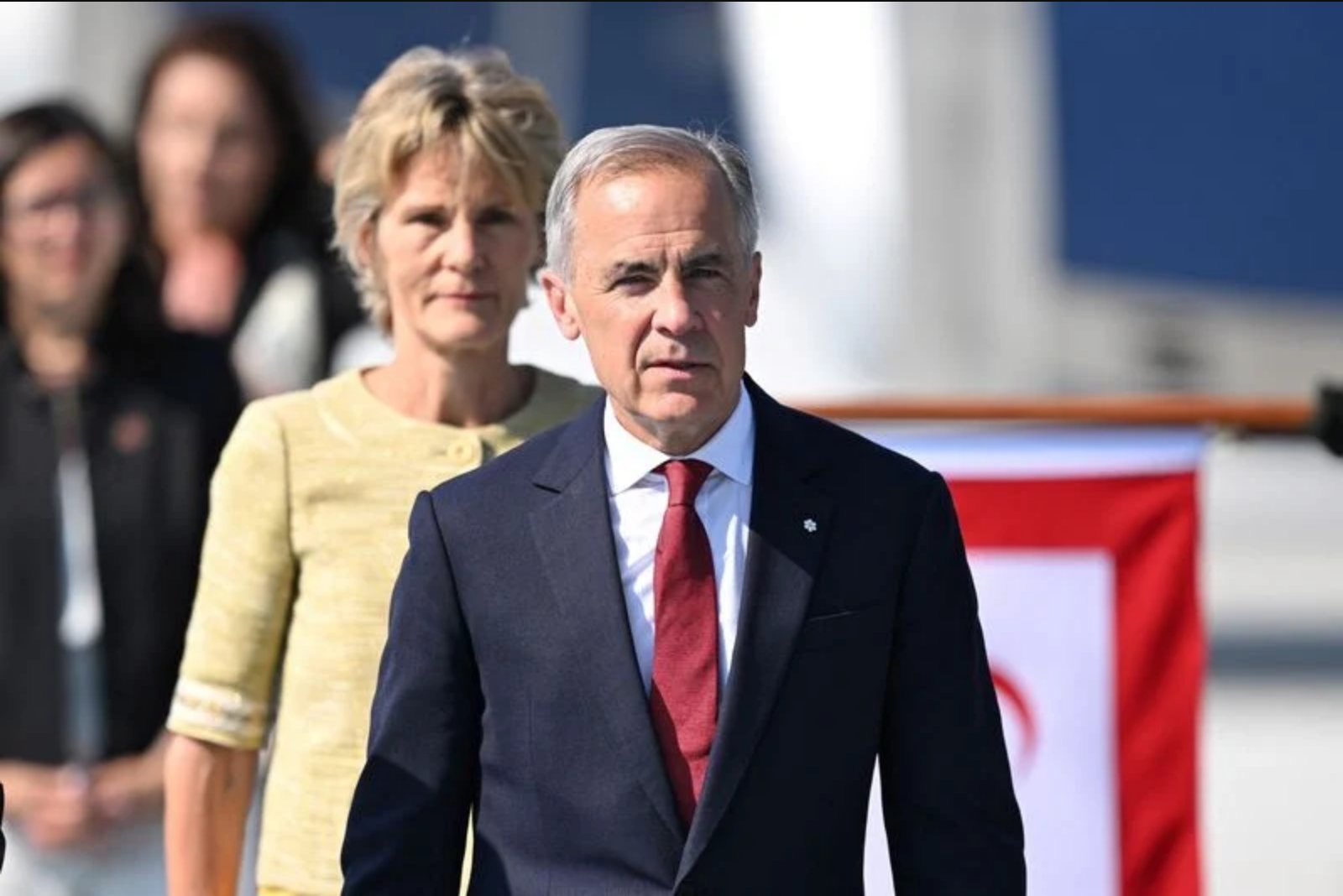
In a statement read by Mark Carney, the prime minister of host country Canada, Ottawa named the partner governments as Albania, Belgium, Greece, Latvia, Luxembourg, Romania, Turkey, and Ukraine, in addition to Canada itself. These nations will be responsible for defining the initial policies and operational directives of the multilateral Defence, Security and Resilience Bank - referred to as the DSRB.

The stated goal of the DSRB is to strengthen the defence of allied countries by mobilizing as much as £100 billion ($134 billion) in inexpensive finance. Canada, which has taken the lead on promoting the DSRB this year, said the initiative is intended to unlock investment, reinforce the defence industrial base, and ensure allied capacity to respond collectively to emerging threats.

Canada has invited the partner countries to complete domestic ratification of the plans, with the aim of making the DSRB operational in 2027. Ottawa cited Russia’s full-scale invasion of Ukraine as an impetus that highlighted the need for allies to produce defence capabilities at both speed and scale.

The bank is being designed to achieve a triple-A credit rating. That target would enable the institution to offer low-interest loans for defence projects, with a particular focus on countries and companies that today have limited access to cheaper financing. The DSRB also plans to provide loan guarantees to private banks to support expansion of the defence industry.

Finance minister Anita Anand, speaking on the sidelines of the NATO summit, said the DSRB is open to additional members. Canada noted that Luxembourg had previously pledged support alongside Canada itself.


Next steps

  • Partner governments have been invited to ratify the DSRB plans through their domestic processes.
  • The objective is for the DSRB to begin operations in 2027, subject to ratification and implementation steps.
  • The institution will pursue a triple-A credit rating to underpin its ability to provide low-cost finance and loan guarantees.

The announcement frames the DSRB as a collective financing mechanism for defence projects and industrial scaling rather than as a direct procurement agency. The initial group of nine backers will shape how the bank operates and set its early policy direction as it moves toward the stated operational timeline.

Risks

  • Domestic ratification by partner countries could delay the DSRB’s planned 2027 operational start - impacts government policy and defence procurement schedules.
  • Achieving the targeted triple-A credit rating is an objective, not assured; failure to secure it would constrain the bank’s ability to offer low-interest finance - impacts financing conditions for defence projects and related industries.
  • The initial roster excludes other G7 nations besides Canada, which may limit early scale and capital base until further members join - impacts the pace at which the bank can mobilize investment and support defence industrial expansion.

More from World

Duterte Maintains Defiant Stance as Senate Impeachment Shifts Focus to Alleged Threats Against Marcos Jul 7, 2026 Israeli Airstrikes Kill Two Palestinians in Gaza, Medics Say Jul 7, 2026 Italy to Ignore Provocations from U.S. President, Foreign Minister Says Jul 7, 2026 U.S. President Said Ready to Offer Turkey Return to F-35 Program, Officials Tell New York Times Jul 6, 2026 Australia and Solomon Islands Move to Deepen Partnership as Pacific Tensions Rise Jul 6, 2026