
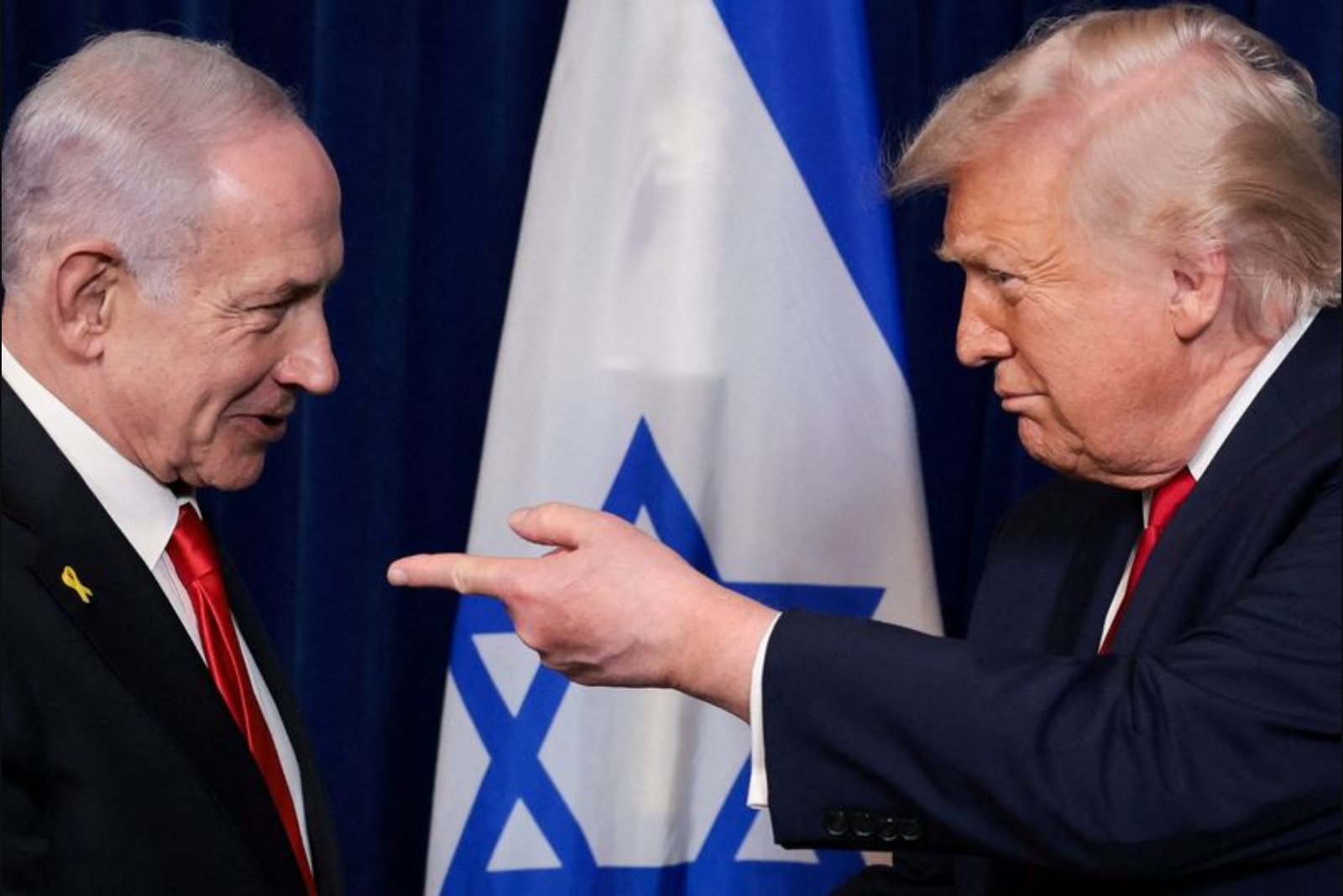
Israeli Prime Minister Benjamin Netanyahu told U.S. President Donald Trump that Israel would remain free to act against threats in Lebanon, according to an Israeli political source who spoke on condition of anonymity. The comments were made during a telephone conversation about an emerging agreement between Washington and Tehran, the source said.
President Trump said that the United States and Iran had "largely negotiated" a memorandum of understanding that could lead to reopening the Strait of Hormuz, a critical shipping lane that the article reports has been effectively closed since the United States and Israel began their war on Iran in February.
In describing the phone call, the Israeli source told Reuters that "in last night’s conversation with President Trump, the Prime Minister emphasized that Israel will maintain freedom of action against threats in all arenas, including Lebanon, and President Trump reiterated and supported this principle." The source requested anonymity.
The possibility of a diplomatic breakthrough appeared to rise after President Trump said an emerging agreement, which he indicated was being brokered by Pakistan, would reopen the Strait of Hormuz. Iran’s Fars news agency, as reported in the same coverage, described a draft that it said would require the United States and its allies not to attack Iran or its allies, while Iran would commit not to launch preemptive attacks on them.
The tensions on the ground in Lebanon were referenced in the reporting. Prominent Israeli politician Benny Gantz warned that it would be a strategic mistake for Israel to accept a ceasefire in Lebanon as part of any arrangement with Iran. Israeli troops have entered Lebanon to combat the Iranian-backed Hezbollah militia, the reporting said.
According to the Israeli source, Washington is keeping Israel updated on negotiations with Iran. The source quoted President Trump as emphasizing that he would press for the dismantling of Iran’s nuclear program and the removal of all enriched uranium from Iranian territory, and that he would not sign a final agreement without those conditions being met.
President Trump also posted on Truth Social that his call with the Israeli prime minister had gone "very well."
The reporting reflects an acute focus by Israeli leadership on preserving military and operational options in Lebanon while diplomatic discussions involving the United States and Iran continue. The Israeli source presented the exchange as confirmation that Washington supports Israel’s right to respond to perceived threats in multiple arenas, including Lebanon.