
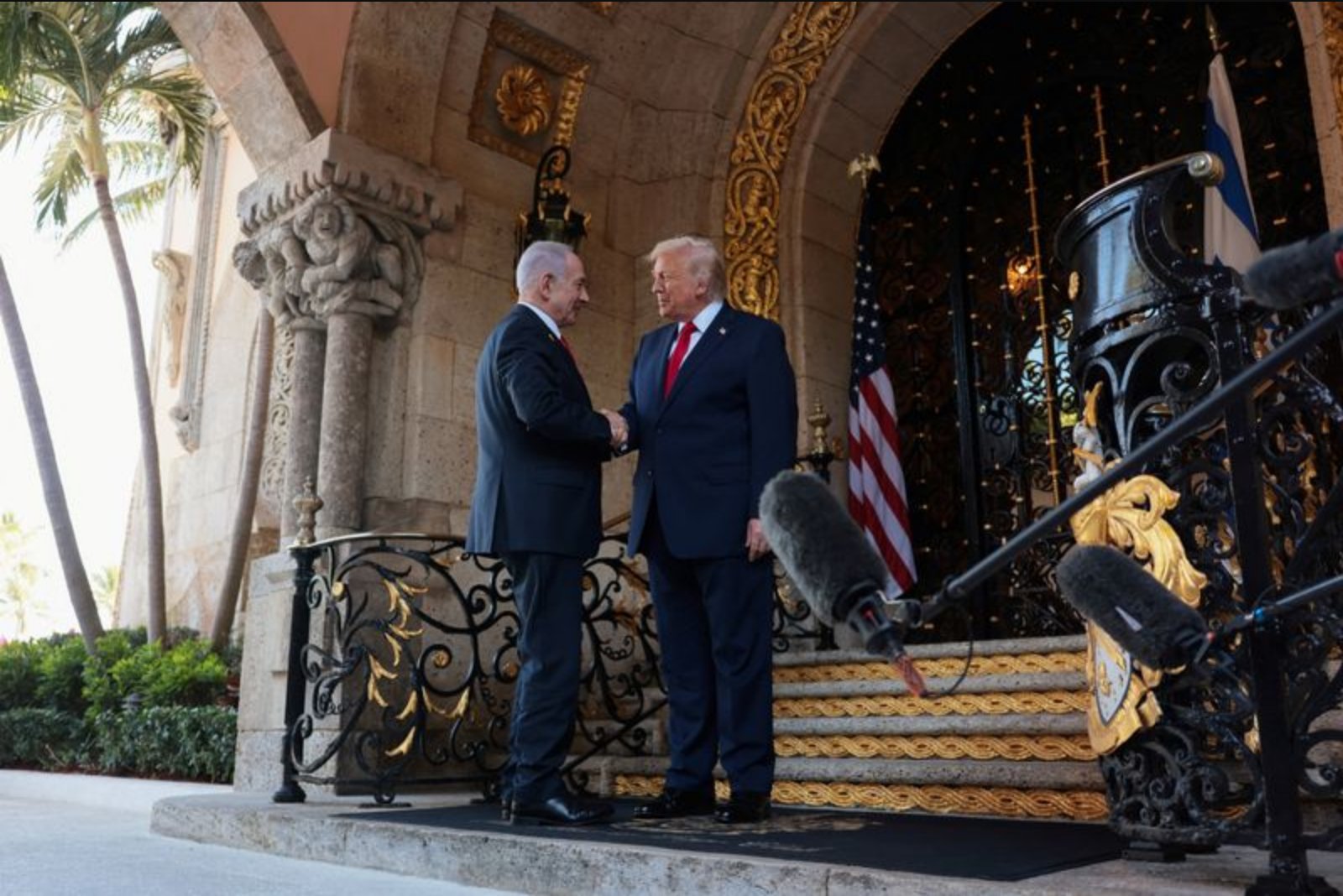
JERUSALEM, May 25 - Prime Minister Benjamin Netanyahu has privately acknowledged to close aides that Israel has limited leverage over U.S. President Donald Trump’s choices regarding Iran, according to two Israeli officials who described the conversations. The comments were made against the backdrop of indirect negotiations between the United States and Iran aimed at establishing a memorandum of understanding and setting the stage for further talks on nuclear issues in a war that has lasted nearly three months.
Those Israeli officials, both speaking on condition of anonymity to discuss private discussions, said Netanyahu had expressed concern about the memorandum of understanding under negotiation. Under the terms described by a senior Trump administration official, the memorandum would include Iran reopening the Strait of Hormuz in exchange for the United States lifting a naval blockade, followed by subsequent discussions on Iran’s nuclear programme.
Delegations from the United States and Iran have been conducting indirect talks mediated by Pakistan. While there has been movement toward an initial agreement, both Washington and Tehran have sought to temper expectations about a swift comprehensive settlement. Central points of contention include Iran’s nuclear ambitions, Tehran’s demands for sanctions relief, and the continuing conflict between Israel and Hezbollah in southern Lebanon.
Netanyahu has insisted that any settlement must not remove Israel’s ability to act against threats on multiple fronts. He is demanding the right to continue operations he views as necessary, including military actions in Lebanon. The Israeli officials said this caveat could jeopardize a deal if Iran insists on a full halt to Israeli military operations in southern Lebanon.
Sources told Reuters that Iranian officials have indicated potential willingness in later negotiation stages to consider "feasible formulas" for resolving disputes over Iran’s highly enriched uranium stockpile, including diluting the material under the supervision of the U.N. nuclear watchdog. The memorandum currently being discussed, however, would not immediately address Israel’s concerns about Iran’s nuclear programme and enriched material.
Despite those limitations, one of the Israeli officials said Netanyahu had resigned himself to the reality that "Israel has no manoeuvre to influence the president right now." Netanyahu’s office did not immediately reply to requests for comment on the private remarks.
Netanyahu and Trump have spoken by telephone at least three times in the last week, a period during which Israeli authorities said they prepared for the potential resumption of joint air strikes with U.S. forces targeting Iranian energy infrastructure. After the first of those conversations, Trump was asked by reporters what he had told Netanyahu, replying, "He’s a very good man, he’ll do whatever I want him to do." The two leaders spoke again on Friday night and held a third call on Saturday, the latter coming after Trump convened a multilateral call with leaders from Gulf states, Turkey and Pakistan to update them on the status of Iran negotiations.
Following the Saturday call, Netanyahu — who had not publicly commented on any emerging deal at that point — issued a statement saying he and Trump discussed the memorandum of understanding to reopen the Strait of Hormuz and the forthcoming negotiations toward a final agreement on Iran’s nuclear programme. Netanyahu asserted that he and Trump "agreed that any final agreement... means dismantling Iran’s nuclear enrichment sites and removing its enriched nuclear material from its territory." He also stated that Trump "reaffirmed Israel’s right to defend itself against threats on every front, including Lebanon."
The Israel-Hezbollah confrontation has continued despite a ceasefire reached on April 16, which followed a wider truce agreed between the United States and Iran. Israeli forces have remained deployed across portions of southern Lebanon and have conducted air strikes against Hezbollah positions. Hezbollah militants have continued to launch drones toward Israeli troops and into northern Israeli towns.
The negotiations and emerging memorandum come at a politically sensitive moment for Netanyahu, who faces a national election he is widely forecast to lose. Political opponents have criticized the prime minister for falling short of the objectives he set out at the start of the U.S.-Israeli operations against Iran on February 28. At the outset of those attacks, Netanyahu said Israel sought to create conditions to topple Iran’s clerical government, eradicate its nuclear and ballistic missile capabilities, and degrade its regional power projection.
According to earlier reporting, Trump gave the final order to launch the Iran operation after Netanyahu urged in a phone conversation for a joint strike against Iran’s supreme leader. The reports say Supreme Leader Ali Khamenei was killed in the initial strikes. Since then, the war aims of Israel and the United States have diverged; U.S. officials have emphasized reopening the Strait of Hormuz, a waterway that prior to the conflict carried about a fifth of global oil and liquefied natural gas shipments.
In a recent interview on CBS television, Netanyahu stressed that more needed to be done to ensure enriched uranium is removed from Iran, to end Tehran’s support for regional proxies, and to halt its ballistic missile production, saying, "... there’s work to be done."
This account relies on statements and characterizations provided by Israeli officials familiar with the prime minister’s private conversations, administration comments on the memorandum concept, and comments attributed to the principal political figures involved. Where sources were anonymous, that anonymity reflects their condition for speaking about private deliberations.