
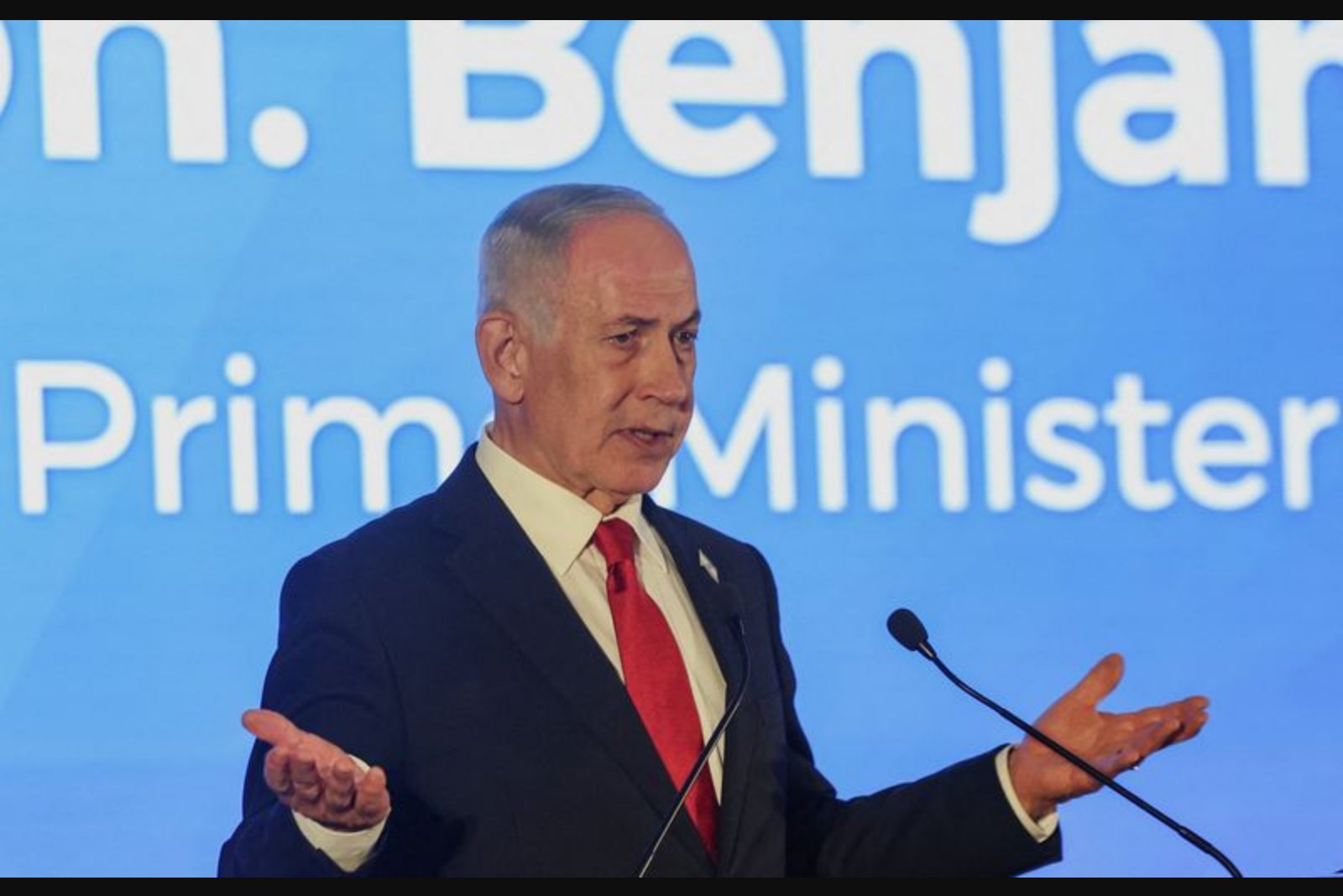
Israeli Prime Minister Benjamin Netanyahu used his first press conference since the start of the war to issue a veiled threat toward Iran’s newly installed supreme leader and to defend joint military action with the United States. Standing between two Israeli flags and answering questions via video link, Netanyahu framed recent operations as having materially weakened Iran and its proxies.
Netanyahu told reporters that Iran was "no longer the same" after almost two weeks of combined U.S.-Israeli air bombardment. He said Tehran had been hit in ways that impacted its elite Revolutionary Guards Corps and the Basij paramilitary force, portraying the strikes as significant blows to those organizations.
Addressing the confrontation with Lebanon’s Iran-backed Hezbollah, the prime minister pledged to continue striking the group. He said Israel would press on after Hezbollah opened fire on March 2, an action the group said was intended to avenge the killing of Iran’s supreme leader at the start of the war.
When asked specifically about possible moves against Iran’s new Ayatollah Mojtaba Khamenei and Hezbollah’s deputy leader Naim Qassem, Netanyahu said: "I wouldn’t issue life insurance policies on any of the leaders of the terrorist organization ... I don’t intend to give an exact message here about what we are planning or what we are going to do." The comment framed a clear warning while withholding details on planned steps.
Netanyahu also asserted that both Iran and Hezbollah no longer pose the same threats they once did, repeating his assessment that recent operations have degraded their capabilities. He noted his lines of communication with the United States remain active, saying he and U.S. President Donald Trump speak daily and that their conversations are free and open in nature.
The remarks combined a public defense of coordinated military action with a cautionary notice to leadership figures in Iran and Hezbollah. Netanyahu’s emphasis on degraded Iranian capabilities and continued pressure on Hezbollah underscores a strategy of sustained strikes while keeping specific future actions undisclosed.
- Setting: First press conference since the war began, held via video link with Israeli flags visible.
- Claims: Nearly two weeks of U.S.-Israeli air bombardment has, in Netanyahu’s words, inflicted blows on the Revolutionary Guards Corps and Basij.
- Threats and intent: Netanyahu warned leaders of Iran and Hezbollah without detailing specific future operations and pledged continued strikes on Hezbollah after the March 2 exchange.