
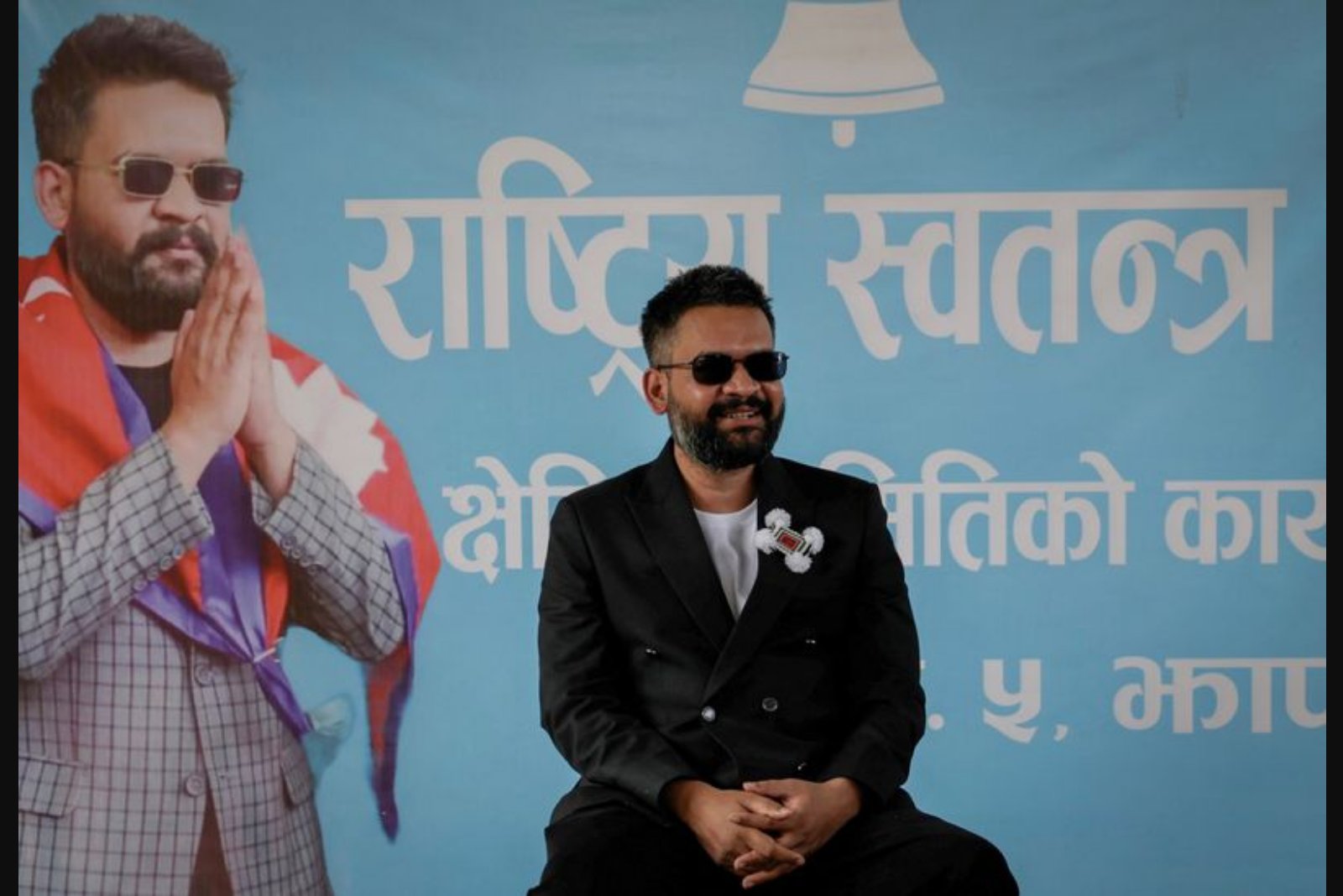
Nepalis are voting on Thursday in a general election to appoint a 275-member assembly, the first national ballot since anti-corruption protests driven largely by young people forced the resignation of the then-prime minister last September.
The electorate
Of the country’s roughly 30 million inhabitants, nearly 19 million are eligible to cast ballots in this election. Election officials report that approximately one million voters were added to the rolls following last year’s protests, many of them young people who took part in demonstrations that left 77 dead and more than 2,000 injured.
Seats in the assembly are allocated through two methods. Direct contests will determine 165 seats by first-past-the-post rules - the candidate who receives the most votes in a constituency wins. The remaining seats will be distributed through proportional representation, with parties receiving seats in proportion to their share of the vote. Authorities say 65 political parties are contesting the election.
Main issues on the ballot
Voters have identified corruption as a central concern. Job creation is another major issue, with analysts pointing to widespread economic distress: about one-fifth of the population lives in poverty and youth unemployment is high. These domestic economic pressures are central to the campaigns and to voters’ expectations of new leadership.
Foreign relations will also figure in the outcome. Nepal is a landlocked country bordering India and China, both of which are major trade partners. India accounts for roughly two-thirds of Nepal’s international trade, while China represents about 14%. China has also provided loans to Nepal totaling more than $130 million, according to the World Bank. How the next government positions Nepal between these two regional powers is expected to be a factor for many voters.
Who is running
Among the leading contenders is Balendra Shah, 35, a former Kathmandu mayor and rapper-turned-politician, who represents the centrist Rastriya Swatantra Party and is viewed as a frontrunner for the prime ministership.
In the Jhapa 5 constituency he faces K.P. Sharma Oli, 74, of the Communist Party of Nepal (Unified Marxist-Leninist). Oli, a four-time prime minister, is campaigning to return to the premiership but confronts the challenge of regaining the support of younger voters who helped unseat his government about six months ago.
Other notable figures in the race include 49-year-old Gagan Thapa of the centrist Nepali Congress party, and Pushpa Kamal Dahal, 71, a three-time prime minister who now leads the Nepali Communist Party. Dahal previously led a Maoist insurgency for a decade before entering mainstream politics in 2006. Oli has been described as a liberal communist since the 1990s.
What to watch
The election will provide a measure of how deeply last year’s youth-led protests reshaped the political landscape, whether new entrants and centrist movements can convert momentum into seats, and how competing visions for economic policy and foreign relations resonate with an electorate concerned with jobs and governance.