
Overview
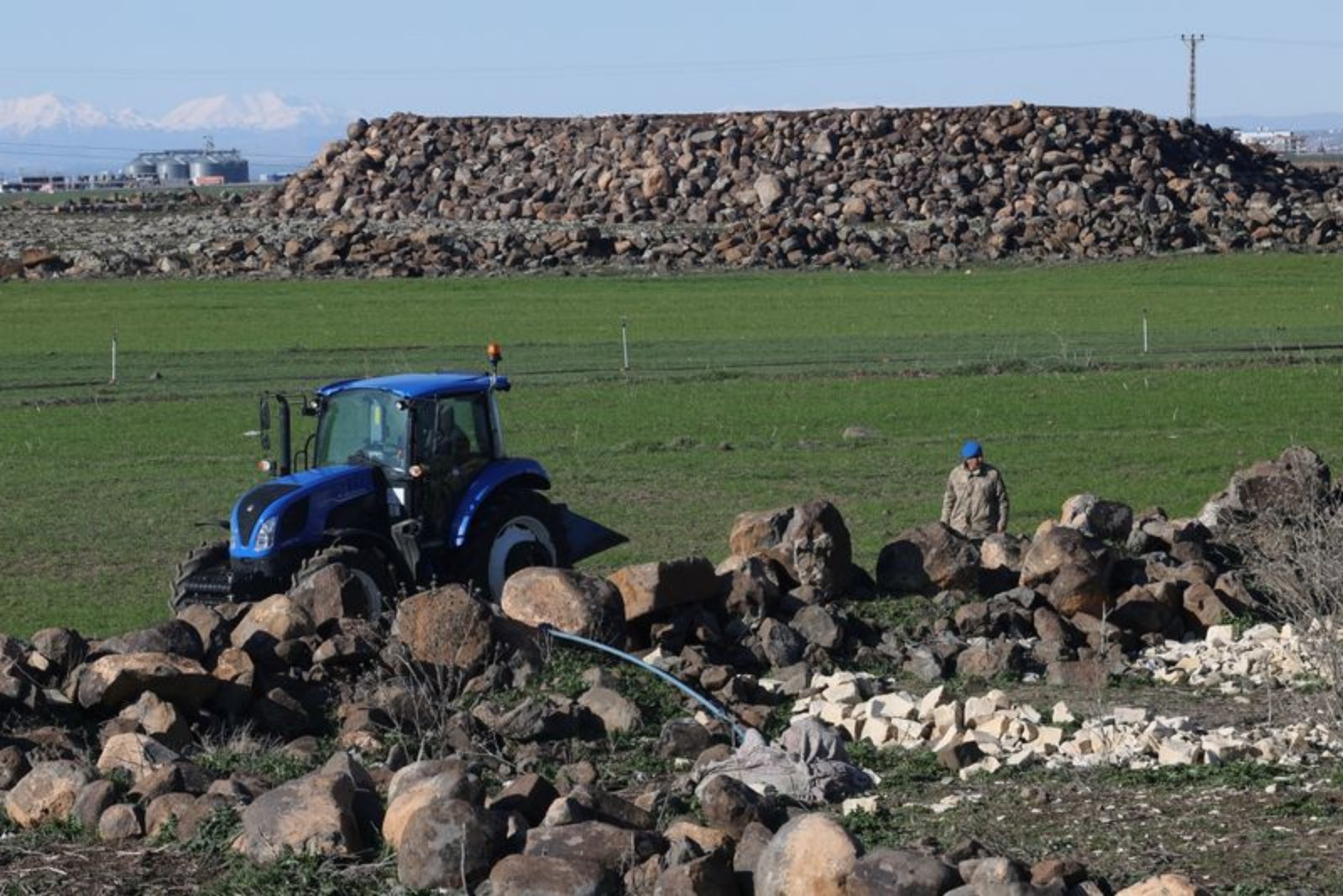
Turkish authorities reported on Monday that NATO air defences had shot down a second Iranian ballistic missile after it crossed into Turkish airspace. The Defence Ministry said debris fell in empty fields in Gaziantep province and emphasised that no casualties were reported. NATO confirmed an interception of a missile heading toward Turkey and reiterated its preparedness to defend allied territory.
Incident details
Officials described the recent strike as the second missile intercepted in the past week that originated from Iran. Unlike the earlier incident in which the incoming missile was downed outside Turkish territory, the most recent projectile penetrated Turkey's airspace before being intercepted. Fragments landed in a zone located between a key airbase to the west and a radar base to the east - both facilities are operated with U.S. and NATO use.
The Turkish Defence Ministry said: "We once again emphasise that all necessary measures will be taken decisively and without hesitation against any threat directed at our country’s territory and airspace." The ministry added there had been no casualties and reiterated that it was in everyone’s interest to heed Turkey’s warnings.
Government and military response
President Tayyip Erdogan said that Turkey had issued the necessary warnings to Iran following the incident. He described Iran's actions as "wrong and provocative" and said Ankara would take further measures after deploying six F-16 fighter jets to northern Cyprus earlier on the same day. Erdogan framed Turkey’s main objective as keeping the country out of the "blaze" of the Iran war.
Turkey, which has a growing domestic defence sector but does not possess a fully comprehensive national air-defence network, has relied on NATO air-defence assets stationed in the eastern Mediterranean in both of the recent interceptions. Ankara has not immediately indicated any formal moves within NATO. Previously, Turkish officials said they had no intention of invoking NATO’s Article 4, which would trigger consultations among allies if a member feels threatened - a step that could ultimately lead to Article 5, the collective defence clause.
Allied and U.S. reactions
A NATO spokesperson confirmed the alliance had intercepted a missile moving toward Turkey and reiterated NATO's readiness to defend its members. The Turkish presidency reiterated its warning to all parties, specifically naming Iran, to avoid actions that could jeopardise regional stability and civilian safety. It remained unclear where the missile was ultimately headed.
The U.S. has forces at Incirlik air base in Turkey, and NATO operates a radar installation in Malatya province to the northeast, both cited as vital to alliance protection. Turkish authorities said the missile debris fell in empty fields in Gaziantep, a location roughly between Incirlik and the Malatya radar facility.
Following the event, the U.S. embassy in Turkey ordered non-emergency government employees and families to leave its southern Adana consulate, suspended services at that post, and strongly encouraged American citizens to depart southeast Turkey.
Context from Ankara and Tehran
Ankara has publicly stated that Washington has not used Incirlik as part of its air assault with Israel on Iran, an operation Turkey says prompted Tehran’s missile and drone strikes. Iran did not immediately comment on the latest interception, though Tehran has repeatedly maintained that it is not at war with regional states and is not explicitly targeting Turkey.
Before the recent escalation in the air war, which began 10 days ago, Turkey had attempted to mediate talks between the United States and Iran. The latest events add another stressor to Turkey’s role as a neighbour to Iran and as a significant member of NATO.
Summary of key developments
- NATO air-defence systems intercepted a second Iranian ballistic missile that entered Turkish airspace; debris fell in Gaziantep with no reported casualties.
- Turkey deployed six F-16s to northern Cyprus and warned Iran against further provocations while declining to immediately invoke Article 4 consultations within NATO.
- The U.S. embassy in Turkey ordered non-essential staff and families out of its Adana consulate and urged Americans to leave southeast Turkey following the incident.