
World February 11, 2026

NATO launches 'Arctic Sentry' to bolster allied presence in the High North

New mission coordinates growing NATO activities in Arctic waters after tensions over Greenland prompted alliance talks

By Avery Klein
NATO launches 'Arctic Sentry' to bolster allied presence in the High North

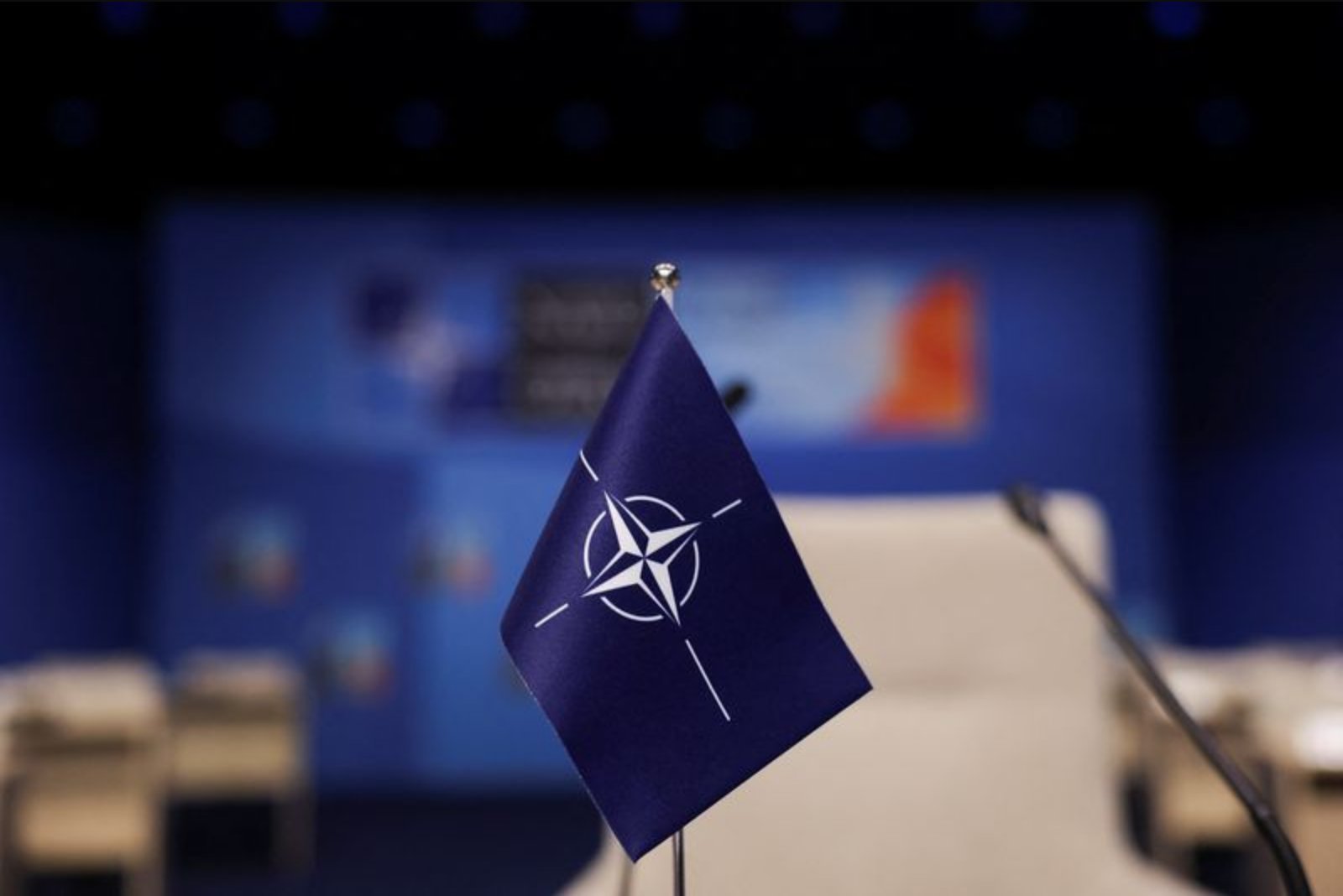
NATO has initiated a mission named Arctic Sentry to coordinate and strengthen allied military activity in the Arctic region. The move follows talks between U.S. President Donald Trump and NATO Secretary General Mark Rutte in Davos during the recent Greenland dispute, and includes planned exercises such as Denmark’s 'Arctic Endurance on Greenland.' British and UK-led Joint Expeditionary Force participation in operations across Iceland, the Danish Straits and Norway was also confirmed.

Key Points

  • NATO has launched Arctic Sentry to coordinate and strengthen allied military presence in the Arctic, including exercises such as Denmark’s "Arctic Endurance on Greenland" - impacts defense and regional security planning.
  • The mission follows talks in Davos between U.S. President Donald Trump and NATO Secretary General Mark Rutte during the height of the Greenland dispute; Denmark, the U.S. and Greenland will pursue further discussions about Greenland - impacts diplomatic relations and political risk assessments.
  • The UK and the UK-led Joint Expeditionary Force will contribute significant personnel and activity across Iceland, the Danish Straits and Norway, with an exercise due in September - relevant for defense logistics and military readiness.

NATO on Wednesday announced the start of a mission called Arctic Sentry, intended to coordinate the growing military footprint of alliance members in the Arctic. The mission is part of an agreement reached to ease severe tensions inside the alliance that had been inflamed by U.S. President Donald Trump’s push for the United States to acquire Greenland.

According to a statement from NATO’s military headquarters, Arctic Sentry will bring together allied activity in the region, including exercises such as Denmark’s "Arctic Endurance on Greenland." The alliance framed the mission as a step to organize and manage the increasing operational tempo of member states in the High North.

"Arctic Sentry underscores the Alliance’s commitment to safeguard its members and maintain stability in one of the world’s most strategically significant and environmentally challenging areas," said U.S. Air Force General Alexus G. Grynkewich, NATO’s Supreme Allied Commander Europe. "It will leverage NATO’s strength to protect our territory and ensure the Arctic and High North remains secure."

NATO began planning Arctic Sentry after a meeting between President Trump and NATO Secretary General Mark Rutte in Davos last month, which occurred at the height of what the statement described as the Greenland crisis. That crisis had been sparked by President Trump’s insistence that the United States should own Greenland, a territory that is part of fellow NATO member Denmark.

Rutte and Trump agreed that NATO would take on a larger role in protecting the Arctic region, while Denmark, the United States and Greenland would continue bilateral or trilateral discussions about Greenland itself, the alliance said.

Separately, British Defence Minister John Healey said that British armed forces will play a vital role in NATO’s Arctic Sentry mission. The British government added that the UK-led Joint Expeditionary Force - or JEF - plans significant military activity in the High North, with hundreds of personnel scheduled to deploy across Iceland, the Danish Straits and Norway for an exercise due in September.

The statement listed the members of the JEF as Denmark, Estonia, Finland, Iceland, Latvia, Lithuania, the Netherlands, Norway, Sweden and the United Kingdom.

Risks

  • Persistent diplomatic uncertainty over Greenland - discussions between Denmark, the United States and Greenland are ongoing and their outcome is not yet determined, creating a continuing political risk for the alliance and regional relations.
  • Potential for renewed alliance tensions - the mission was initiated to defuse severe tensions triggered by the Greenland crisis, indicating that intra-alliance strains could re-emerge if bilateral issues are not resolved.
  • Operational complexities in an environmentally challenging region - coordinating increased military activity across Arctic and High North environments introduces logistical and planning uncertainties for participating forces.

More from World

Fitch Keeps UK at AA- Citing Flexible Economy but Flags High Debt and Policy Uncertainty Feb 20, 2026 Fitch Maintains Congo's CCC+ Rating, Flags Persistent Debt and Governance Weaknesses Feb 20, 2026 Moody's Upholds Sweden's Aaa Rating, Cites Strong Fiscal Fundamentals Feb 20, 2026 Moody’s Keeps Tanzania at B1 as Growth Strengths Counterbalance Institutional and Political Risks Feb 20, 2026 S&P Upgrades Armenia Outlook to Positive Citing Growth and Security Improvements Feb 20, 2026