
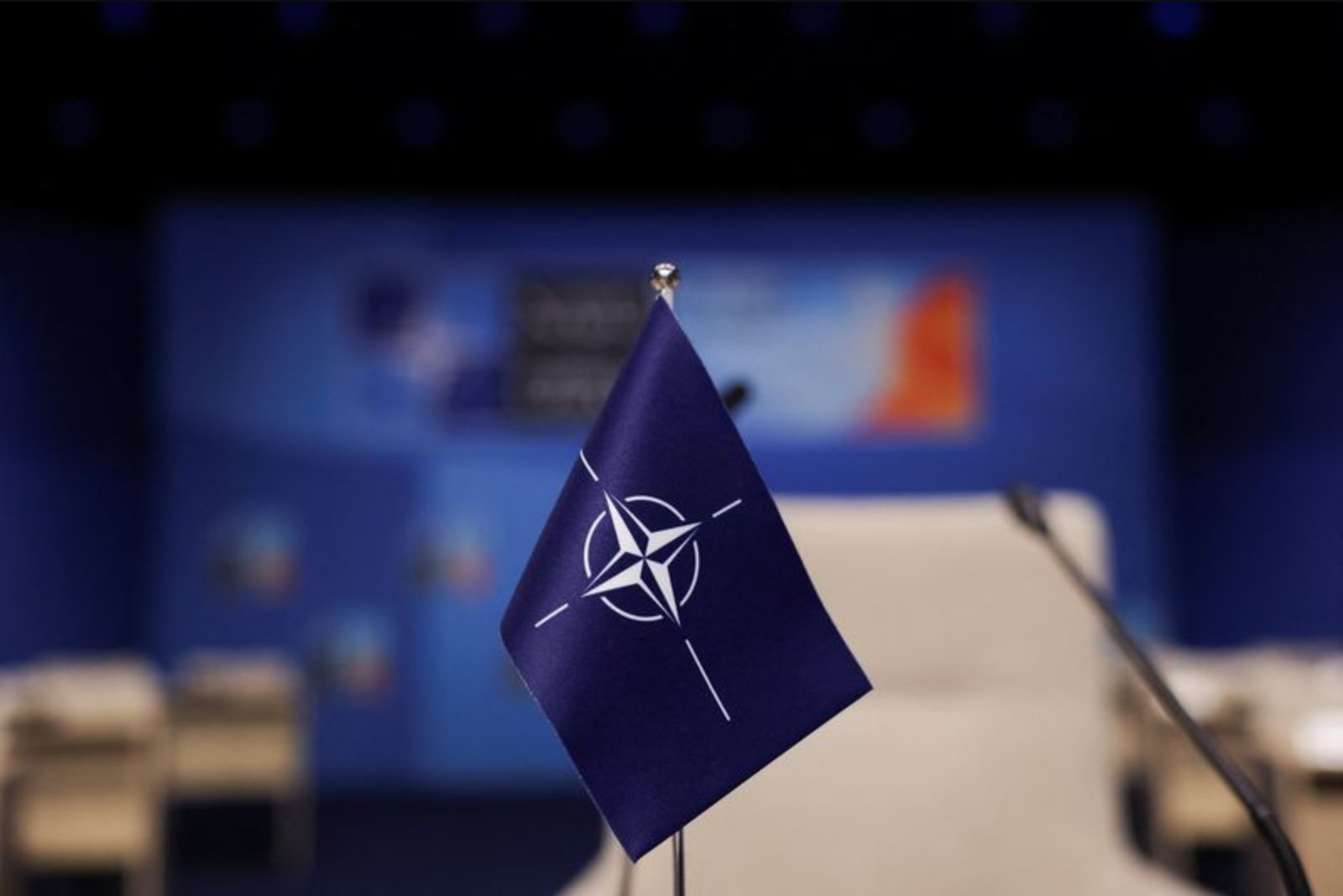
BRUSSELS, March 5 - NATO said it is watching developments in the Middle East closely after a missile headed toward Turkish airspace was shot down on Wednesday, but the alliance's collective-defence clause is not being debated at this time, the organisation's head said in an interview on Thursday.
The official underlined that "Nobody's talking about Article Five," stressing that invoking the alliance's mutual-defence commitment is not on the agenda following the incident. Turkey has reported that NATO air defences destroyed an Iranian ballistic missile that was travelling into its airspace. That account marks the first time a NATO member has been directly drawn into the regional conflict and introduces the prospect that the confrontation could widen to involve other members of the alliance.
What Article Five means
Article Five of the NATO treaty sets out that an attack on one member is considered an attack on all members. Despite the gravity of the situation and the involvement of Turkish airspace, NATO leadership has so far ruled out bringing the collective-defence provision into play.
Support for U.S. actions
The alliance leader also stated that NATO supports the United States in its strikes against Iran, adding that Iran was "close to becoming a threat to Europe as well." That comment framed the incident as not solely a regional concern but one with potential implications for European security.
Context and immediate implications
- Turkey's account of the incident signals the first direct involvement of a NATO member in the present Middle East conflict.
- While NATO is monitoring developments and supporting U.S. strikes, the alliance has not moved to activate the mutual-defence clause.
- The situation raises the possibility that the conflict could expand to include other alliance members, though no such steps have been taken.
Officials emphasised vigilance rather than escalation. At this stage, the alliance's public position is to observe developments closely and to coordinate support where appropriate, without escalating to a collective-defence response.