
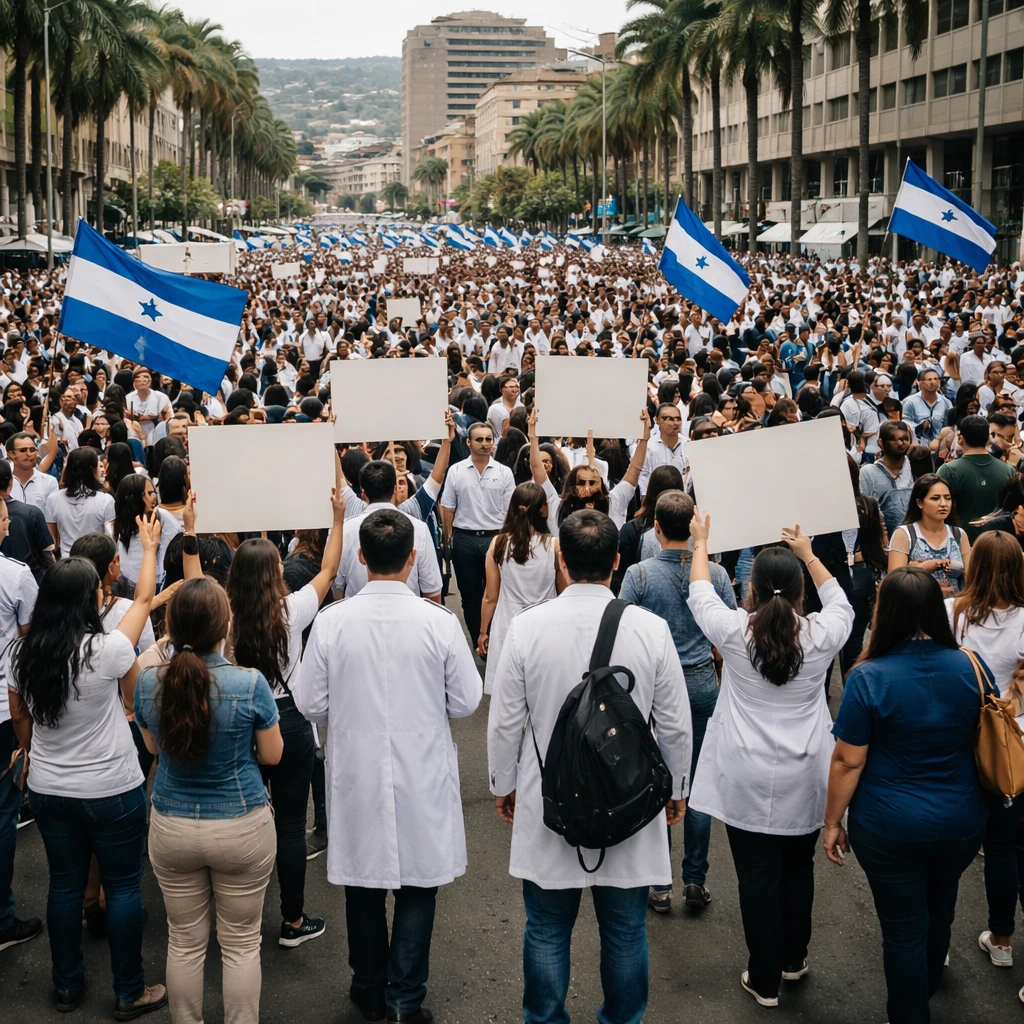
TEGUCIGALPA, June 1 - Public education and outpatient medical services were largely suspended across Honduras on Monday as teachers and health workers launched a joint nationwide strike demanding long-promised salary adjustments and improvements to working conditions.
Teachers' unions characterized the walkout as a response to the government's failure to put a previously negotiated salary increase into workers' payrolls. Union leaders say the pay raise was agreed to but has not been reflected in paychecks despite official commitments to implement it.
Medical staff joined the stoppage after weeks of protests over unpaid wages, insecure employment arrangements and shortages of essential supplies in public hospitals. Doctors have warned that these pressures are hampering the ability of the health system to carry out normal operations.
The joint action highlights a wider dissatisfaction within the education and health sectors centered on what unions describe as chronic underfunding, delayed disbursement of payroll and other promised measures that remain unfulfilled. Unions say these problems have eroded conditions for workers and contributed to interruptions in basic public services.
School closures and the shuttering of many medical offices left students without classes and patients without routine primary care appointments. While the strike affected services nationwide, details on the scale of absenteeism in private facilities or the availability of emergency services were not provided in official statements referenced by unions.
Unions involved in the protest framed the stoppage as necessary to press the government to honor prior commitments on compensation and to address broader operational shortfalls in hospitals and schools. Medical workers emphasized unpaid wages and job instability as immediate concerns, alongside the lack of medical supplies that they say undermines care delivery.
The stoppage represents an escalation from separate actions by teachers and health personnel into a coordinated effort that unions say reflects parallel grievances across both sectors. The situation underscores ongoing tensions between public sector workers and the authorities over funding, timely payments and follow-through on negotiated agreements.
At the time of the strike, unions and government officials had not announced a timeline for negotiations or resolution, leaving the duration and ultimate outcome of the stoppage uncertain. The disruption on Monday signaled how unresolved payroll and resource issues can quickly translate into interrupted public services in education and health.