
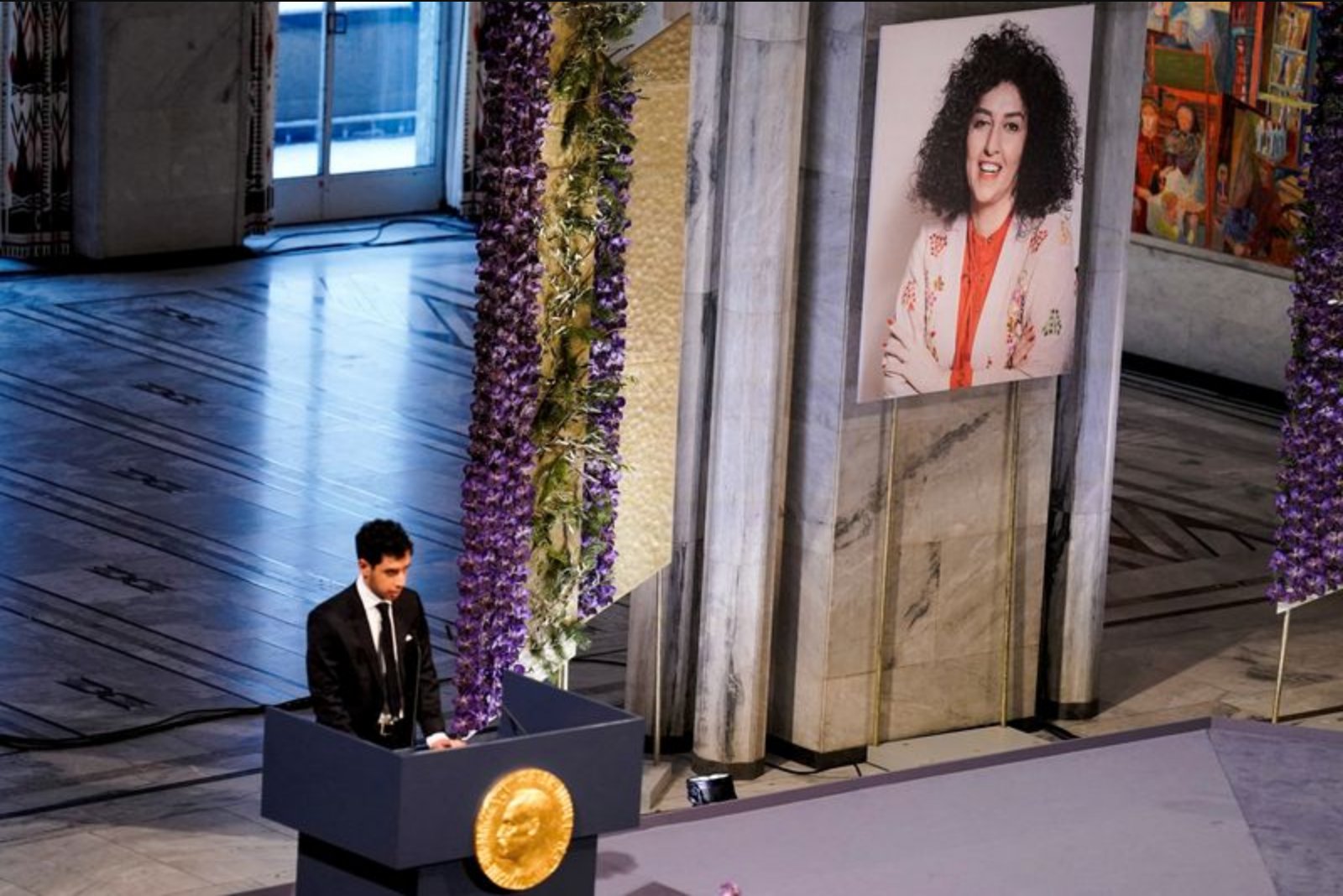
Iranian activist Narges Mohammadi, who received the Nobel Peace Prize in 2023 while in detention for her advocacy on women’s rights and the abolition of the death penalty, has been sentenced to a fresh prison term of seven and a half years, the Narges Foundation said on Sunday.
The foundation said Mohammadi, 53, ended a hunger strike that lasted one week on Sunday. In a brief telephone call from prison to her lawyer, Mostafa Nili, she confirmed she had been given the sentence on Saturday, the foundation said.
The sentence carries specific components: six years for charges described as assembly and collusion against national security, and one and a half years for propaganda against the government. In addition to the custodial term, authorities imposed two years of internal exile to the city of Khusf and a two-year restriction on international travel.
Mohammadi is held in a detention centre in the northeastern city of Mashhad. The foundation said that, prior to the brief call with her lawyer, she had experienced weeks of ‘‘absolute isolation and a total cutoff of communication’’ before being able to describe her condition.
Her arrest took place on Dec. 12 after she publicly criticized what she called the suspicious death of lawyer Khosrow Alikordi. At the time of that arrest, prosecutor Hasan Hematifar told reporters that Mohammadi had made provocative remarks at Alikordi’s memorial service in Mashhad and had encouraged attendees "to chant norm-breaking slogans" and "disturb the peace," according to the foundation’s recounting of official statements.
The Narges Foundation reported the sequence of events and provided details of Mohammadi’s phone contact with her lawyer. The Iranian foreign ministry did not immediately respond to a request for comment on the sentencing, the foundation said.
Separately, the foundation noted the broader context of heightened suppression of dissent: Tehran renewed a crackdown on opposition voices during nearly three weeks of anti-government protests that began in late December.
Mohammadi’s Nobel accolade in 2023 was awarded while she was imprisoned for her campaigning on women’s rights and for efforts to end capital punishment in Iran. The new sentence, the foundation said, further extends restrictions on her liberty and movement through imprisonment, internal exile and a travel ban.
Key points
- Narges Mohammadi, 53, has been sentenced to 7-1/2 years in prison, according to the Narges Foundation.
- The verdict includes six years for assembly and collusion against national security, 1-1/2 years for propaganda against the government, two years of internal exile to Khusf and a two-year travel ban.
- Mohammadi was arrested on Dec. 12 after criticizing the suspicious death of lawyer Khosrow Alikordi and is being held in a Mashhad detention centre; she ended a week-long hunger strike on Sunday.
Risks and uncertainties
- Limited communication and periods of absolute isolation reported by the foundation indicate ongoing uncertainty about Mohammadi’s conditions in detention.
- The sentencing took place amid a renewed crackdown on dissent during nearly three weeks of protests that began in late December, implying continued legal and security risks for activists referenced in the foundation’s account.
- The Iranian foreign ministry did not immediately reply to requests for comment, leaving official government positions on the sentencing and detention details unconfirmed in the foundation’s statement.