
World March 1, 2026

Moscow Condemns U.S. and Israeli Strikes on Iran, Warns of Regional Collapse

Russian officials say attacks risk humanitarian, economic and possibly radiological disaster while fueling escalation across the Middle East

By Derek Hwang
Moscow Condemns U.S. and Israeli Strikes on Iran, Warns of Regional Collapse

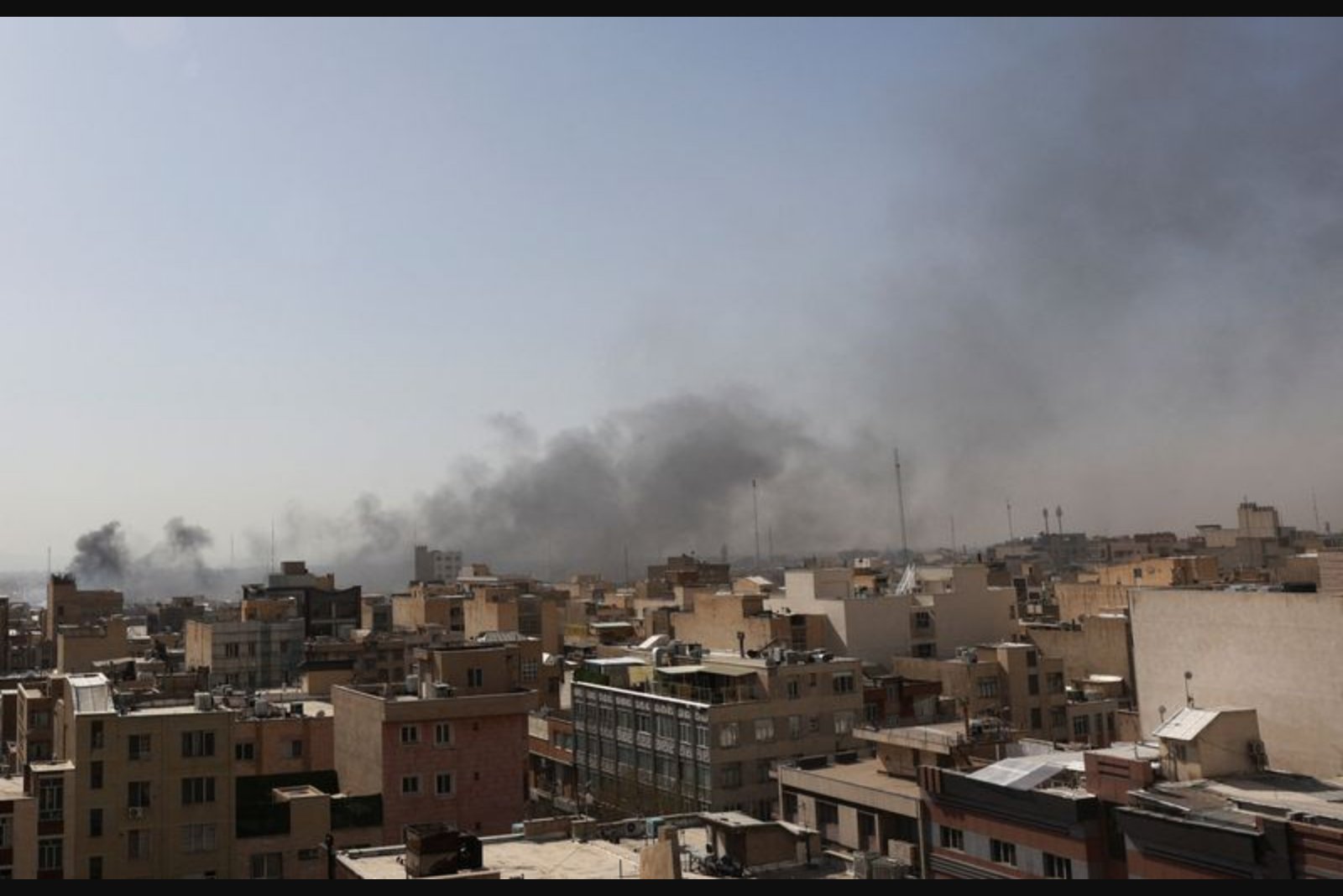
Russian authorities strongly criticised recent U.S. and Israeli strikes on Iran, saying the operation - which targeted Iran’s leadership - risks plunging the Middle East into widespread escalation. Moscow’s foreign ministry warned of potential humanitarian, economic and radiological consequences, while Dmitry Medvedev, deputy chairman of Russia’s Security Council, questioned U.S. resolve and accused Washington of using talks with Iran as cover.

Key Points

  • Russia sharply criticised recent U.S. and Israeli strikes on Iran, calling them a "dangerous adventure" that risks broad escalation in the Middle East.
  • Moscow warned of potential humanitarian, economic and possibly radiological catastrophe and said the attacks could prompt regional states to seek more serious military capabilities - impacting defence and regional economic stability.
  • Dmitry Medvedev, deputy chairman of Russia’s Security Council, publicly challenged U.S. strategy and patience, asserting that talks with Iran were merely a cover and contrasting the short history of the United States with the long history of Persian civilisation.

MOSCOW, Feb 28 - Russia on Saturday issued a sharp rebuke of strikes launched by the United States and Israel against Iran, describing the military action as dangerously irresponsible and warning it could draw the entire Middle East into deep crisis.

The United States and Israel carried out attacks directed at Iran’s leadership, an operation that U.S. President Donald Trump said would remove a security threat to the United States and create an opportunity for Iranians to overthrow their rulers.

In a statement, Russia’s foreign ministry accused Washington and Tel Aviv of beginning "a dangerous adventure that is rapidly bringing the region closer to a humanitarian, economic, and possibly radiological catastrophe." The ministry added that by "plunging the Middle East into an abyss of uncontrolled escalation, they are actually encouraging countries around the world, primarily in the region, to acquire more and more serious means against emerging threats."

The comments from Moscow framed the strikes as a provocative escalation with consequences that could extend beyond immediate military confrontation.

"The peacekeeper is at it again. The talks with Iran were just a cover. Everyone knew that,"

Dmitry Medvedev, who serves as deputy chairman of Russia’s powerful Security Council and is a former president of Russia, criticised U.S. President Donald Trump for the attack. Medvedev also cast doubt on Washington’s long-term endurance compared with Persia’s historic longevity, saying: "So who has more patience to wait for the enemy’s sorry end now? The US is just 249 years old. The Persian Empire was founded over 2500 years ago. Let’s see what happens in 100 years or so..."

Medvedev delivered his remarks in English, repeating Moscow’s portrayal of the strikes as part of a broader strategy rather than an isolated incident.

Russian officials framed the incident as increasing incentives for states in the region to seek more serious military capabilities, and warned of cascading humanitarian and economic effects. Beyond those warnings, Moscow specifically raised the possibility of radiological consequences as part of the broader catalogue of risks stemming from the strikes.


The immediate international response and any subsequent actions by regional actors were not detailed in Moscow’s statements. Russian authorities emphasised the prospect of uncontrolled escalation and the potential for long-lasting consequences stemming from the operation.

Risks

  • Escalation risk - The strikes could lead to uncontrolled regional escalation, affecting security and stability across the Middle East, with implications for defence and geopolitically sensitive markets.
  • Humanitarian and economic fallout - Moscow warned of humanitarian and economic consequences that could disrupt regional economies, including sectors tied to trade and energy.
  • Radiological concern - Russia cited a possible radiological catastrophe as a risk, which could have severe public health and environmental impacts and influence energy and insurance sectors.

More from World

Pentagon Officials Tell Congress No Intelligence Iran Planned First Strike, Closed Briefings Show Mar 1, 2026 Israel Expands Strikes to Lebanon After Hezbollah Attacks; U.S.-Israeli Campaign Hits Iran Targets Mar 1, 2026 U.S. Officials Doubt Immediate Fall of Iran’s Theocratic System After Khamenei Killing Mar 1, 2026 Australia Says It Will Not Join Military Action in Iran as Regional Violence Escalates Mar 1, 2026 Argentine Gendarme Freed After More Than a Year in Venezuelan Custody, Argentina Says Mar 1, 2026