
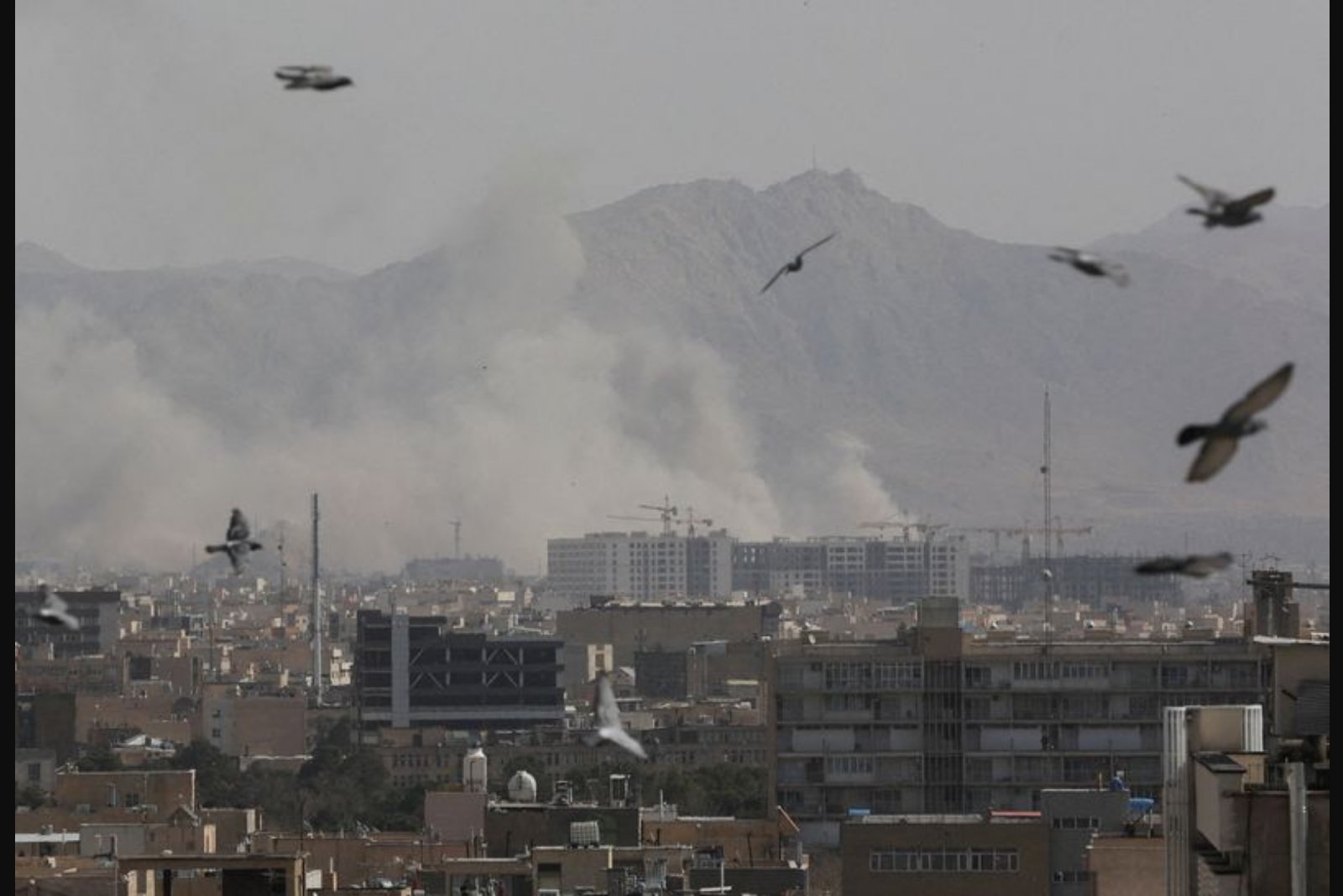
MOSCOW, Feb 28 - Russia on Saturday issued strong criticism of military strikes launched by the United States and Israel against Iran, saying the operation was dangerously irresponsible and risked dragging the whole Middle East into deeper conflict.
The U.S. and Israel conducted strikes that targeted Iran's leadership. U.S. President Donald Trump said the action would eliminate a security threat to the United States and create an opportunity for Iranians to attempt to topple their rulers.
In a written statement, Russia's foreign ministry accused Washington and Tel Aviv of setting out on a perilous course that it said was rapidly bringing the region closer to "a humanitarian, economic, and possibly radiological catastrophe." The ministry added: "By plunging the Middle East into an abyss of uncontrolled escalation, they are actually encouraging countries around the world, primarily in the region, to acquire more and more serious means against emerging threats."
"Washington and Tel Aviv have once again embarked on a dangerous adventure that is rapidly bringing the region closer to a humanitarian, economic, and possibly radiological catastrophe," Russia’s foreign ministry said.
Dmitry Medvedev, who serves as deputy chairman of Russia's Security Council and is a former Russian president, also criticized the strikes. Speaking in English, he dismissed talks with Iran as mere cover and questioned how long the United States would sustain its posture compared with Iran's long historical continuity.
"The peacekeeper is at it again. The talks with Iran were just a cover. Everyone knew that," Medvedev said. "So who has more patience to wait for the enemy’s sorry end now? The US is just 249 years old. The Persian Empire was founded over 2500 years ago. Let’s see what happens in 100 years or so…"
Russia's messaging framed the strikes as not only a regional security issue but also as an act with potentially wider humanitarian and economic implications. The foreign ministry's language pointed to concerns about uncontrolled escalation and the risk that states in the region might pursue more serious means to counter perceived threats.
Separately, commentary distributed alongside reporting on the events noted that investors looking at 2026 opportunities could benefit from better data and analysis tools. The promotional material suggested such tools will not guarantee winners but may improve the frequency of successful investment decisions.
Context and caveats: The statements by Russian officials reflect Moscow's official posture regarding the strikes and reiterate concerns about escalation. The article records public statements and reported actions without drawing additional conclusions beyond those statements.