
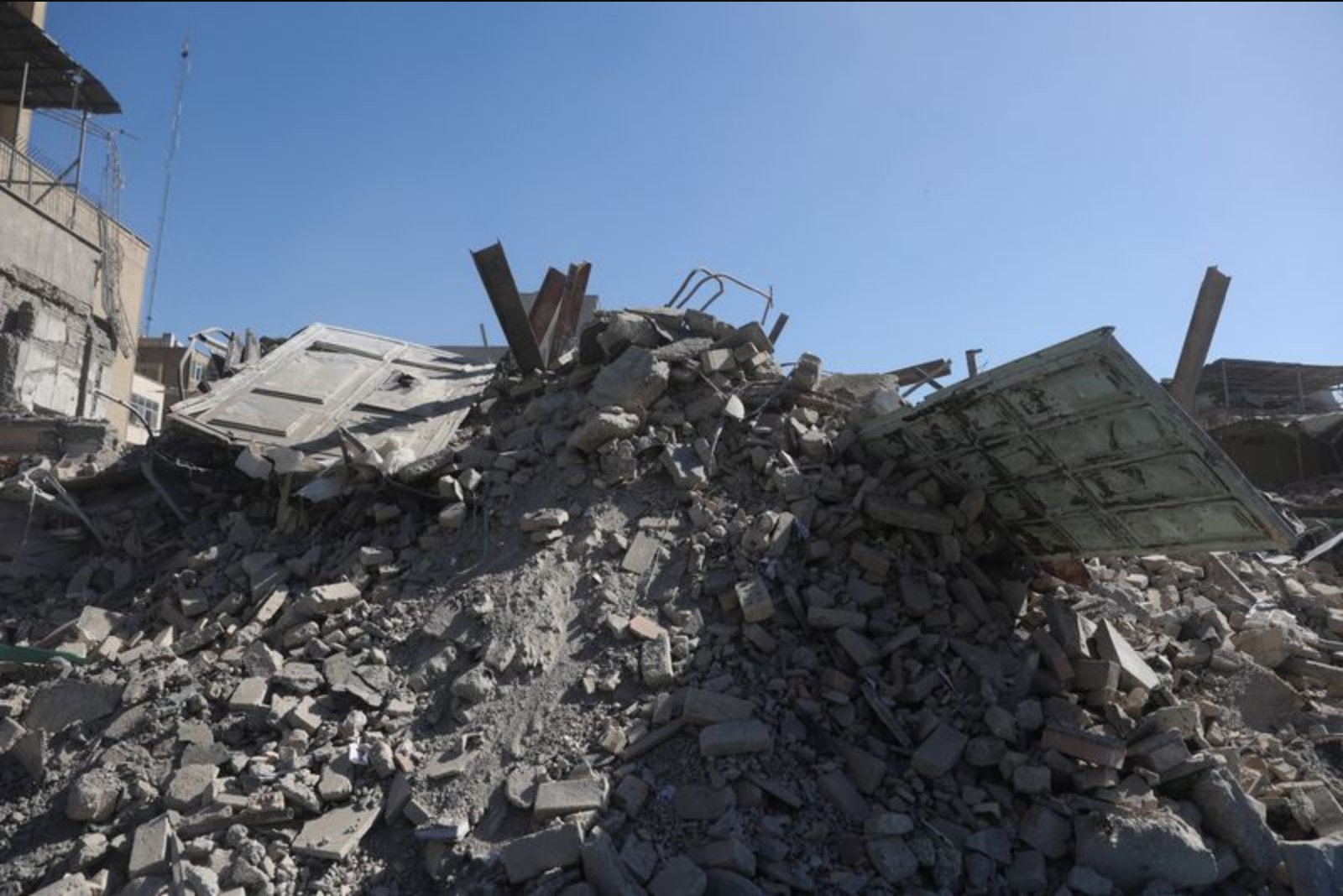
Terrified residents of Iran’s capital described Tuesday as close to a ghost town, with neighborhoods largely vacated after a U.S.-Israeli missile barrage that has left checkpoints and Revolutionary Guards patrols as the city's most visible signs of life. The strikes, which began on Saturday, have killed hundreds of Iranians according to official tallies, and have prompted expectations among some foreign officials that the attacks could spark domestic uprisings. Conversations with people across Iran, however, provided no evidence that a nationwide uprising was imminent.
Security checkpoints, blackouts and fear
“There are checkpoints on every street and alley,” said Fariba Gerami, 27, who works for a company in north Tehran. Her husband runs a small coffee shop and the couple have been living with intermittent electricity and water cuts since the bombardment began. She described heightened concerns about theft once darkness falls and said her family hopes to leave Iran when travel becomes safe, though they worry about conditions on the roads.
The accounts of fear inside Tehran were corroborated by two Iranian men arriving in Turkey via a border gate on Tuesday. One, who declined to give his name, said children were “like screaming and crying” as civilian structures were hit by the strikes. The other described extensive destruction on the roads out of the country — damaged buildings, wrecked cars and ruined streets — and said people were panicking as they tried to depart.
Close calls at hospitals and a school attack
For those remaining in the capital, anxiety has intensified as the strikes have hit close to medical facilities. On Monday, attacks near a Tehran hospital forced evacuation after the building sustained damage. The prospect of further civilian harm is heightened by earlier strikes on a girls’ school in southern Iran during the first hours of the conflict. Authorities have put the death toll from that attack at 150, a figure that has not been independently verified. Video aired on state television showed a funeral for the girls, with small coffins draped in national flags passed from a truck across a large crowd toward a burial site.
“World, do you see? They are killing us. Hear our voice,” said Firuzeh Seraj, speaking through tears from Tehran.
“My 10-year-old daughter is on dialysis and now we are trapped. I’m afraid to take her to the hospital. What if they bomb it? Why are you bombing us?” she added.
Iran said its death toll from the attacks had reached 787, citing the Red Crescent. In response to the U.S.-Israeli offensive, Iranian forces have launched a series of drone and missile strikes across the region, targeting both military and civilian sites in Israel, Jordan and several Gulf monarchies.
Supply lines and civilian needs under strain
Residents also reported basic services under strain. In northwestern Urmia, near the borders with Turkey and Iraq, one woman, identified only as Shahla, said the previous night’s bombardment had been the heaviest yet. “I was terrified. There are no shelters. No help. They are bombing everywhere. The internet cuts in and out. We are stocking up on food,” she said.
Several people reached by phone said shops still had food and medicine on the shelves, but shoppers were beginning to buy in larger quantities amid concern that supplies could dwindle should the conflict persist. In Bushehr, the Gulf coast city that hosts Iran’s single nuclear power plant, an 80-year-old woman named Fatemeh said she feared she might never again see children who live overseas because of the disruptions to communications and the risk from continued bombardment.
Public anger, restrained protests
Anger over the unfolding catastrophe has been directed at Iranian leaders as well as foreign actors. News of the death of the country’s Supreme Leader on Saturday led to spontaneous celebrations in parts of Tehran, while supporters of the Islamic Republic held mourning processions in other areas. Despite those expressions, there has been no resurgence of the nationwide protests that swept Iran in early January and were forcibly quelled with a violent crackdown that left thousands dead.
A retired army officer in a northern city, identifying himself only as Hassan, blamed the late Supreme Leader, Ayatollah Ali Khamenei, for policies that he said left Iran isolated and vulnerable. “Khamenei is dead but the consequences of years of his stubbornness are still killing the Iranian people,” he said. “Why so much hostility with the world? What have we gained from this nuclear programme except bombardment, isolation and misery? Why are we living under bombs?”
Humanitarian concerns and uncertainty
The combination of damaged infrastructure, disrupted communications, and constrained mobility has left many Iranians worrying about access to essential services. Electricity and water cuts in Tehran and intermittent internet service elsewhere are feeding a climate of fear and complicating efforts by families to coordinate times of departure, medical care and basic provisioning.
People who have been able to leave the country described scenes of panic on the roads and extensive destruction along departure routes. Those remaining are stocking supplies and watching for signs of further escalation, even as official tallies of casualties and damage continue to rise.
Contextual note - The reported figures and the accounts of strikes, evacuations and damage are drawn from official statements and direct interviews with residents and those who have fled. Some casualty numbers, including the toll from the girls’ school attack, have not been independently verified.