
Overview
Cross-border hostilities between Pakistan and Afghanistan have escalated, with both sides reporting substantial losses and Pakistani officials describing their country as being in an "open war" with its neighbour. Data compiled by the International Institute for Strategic Studies show Pakistan holding clear advantages across multiple military dimensions. Islamabad benefits from steady recruitment and retention, and receives material support from its principal defence partner, China. Pakistan is also maintaining investments in its military nuclear programmes while pursuing modernisation of its navy and air force.
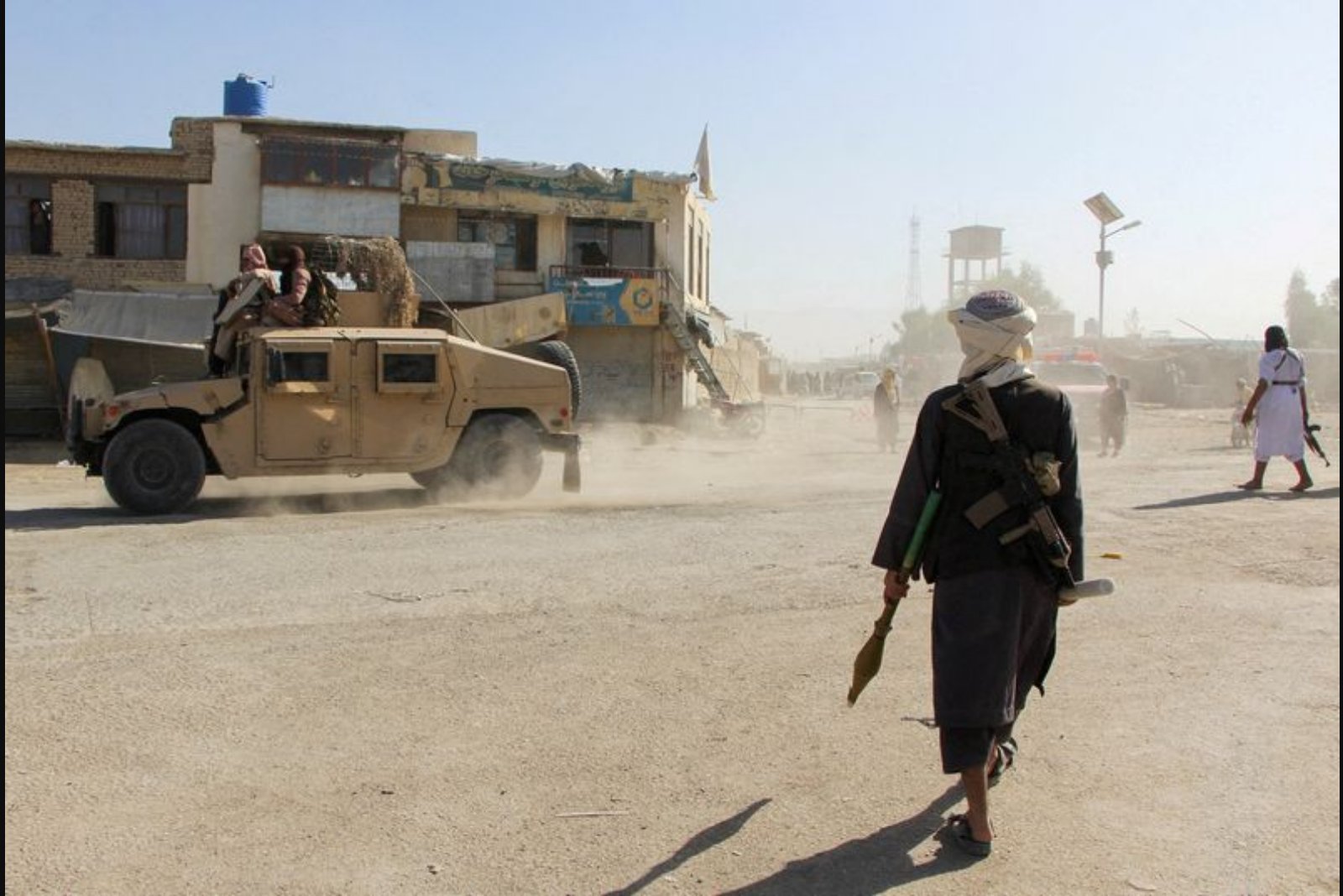
By contrast, the combat effectiveness of the armed forces controlled by the Afghan Taliban is assessed as diminishing. The group’s ability to operate and sustain foreign-made equipment, much of which it seized after returning to power in 2021, has fallen. Additionally, the Taliban administration’s lack of international recognition has constrained efforts to modernise its military forces.
Personnel
Pakistan’s defence establishment comprises approximately 660,000 active personnel. That total breaks down to about 560,000 in the army, 70,000 in the air force, and 30,000 in the navy. The Taliban’s armed forces are significantly smaller, with an estimated 172,000 active personnel. The Taliban have publicly announced plans to increase their ranks to 200,000.
Fighting vehicles and artillery
On land systems, Pakistan possesses in excess of 6,000 armoured fighting vehicles and more than 4,600 pieces of artillery. The Afghan side also fields armoured fighting vehicles, including Soviet-era main battle tanks and armoured personnel carriers, along with other systems; however, their exact numbers are not publicly known. Similarly, the Taliban’s artillery inventory, which is reported to include at least three different types, cannot be precisely quantified from available information.
Air power
Pakistan operates a fleet of 465 combat aircraft plus over 260 helicopters that cover multi-role, attack and transport functions. In contrast, Afghanistan does not possess fighter jets and effectively lacks a conventional air force. The Taliban are known to have at least six aircraft, some dating back to the Soviet era, and 23 helicopters, but the number of airframes actually in flying condition is not possible to assess on the basis of available data.
Nuclear arsenal
Pakistan is a nuclear-armed state with an estimated 170 warheads. Afghanistan does not possess a nuclear arsenal.
Note: The disparities in manpower, platforms and nuclear capability reflect the information provided by the International Institute for Strategic Studies and the operational limitations noted for equipment brought under Taliban control since 2021.