
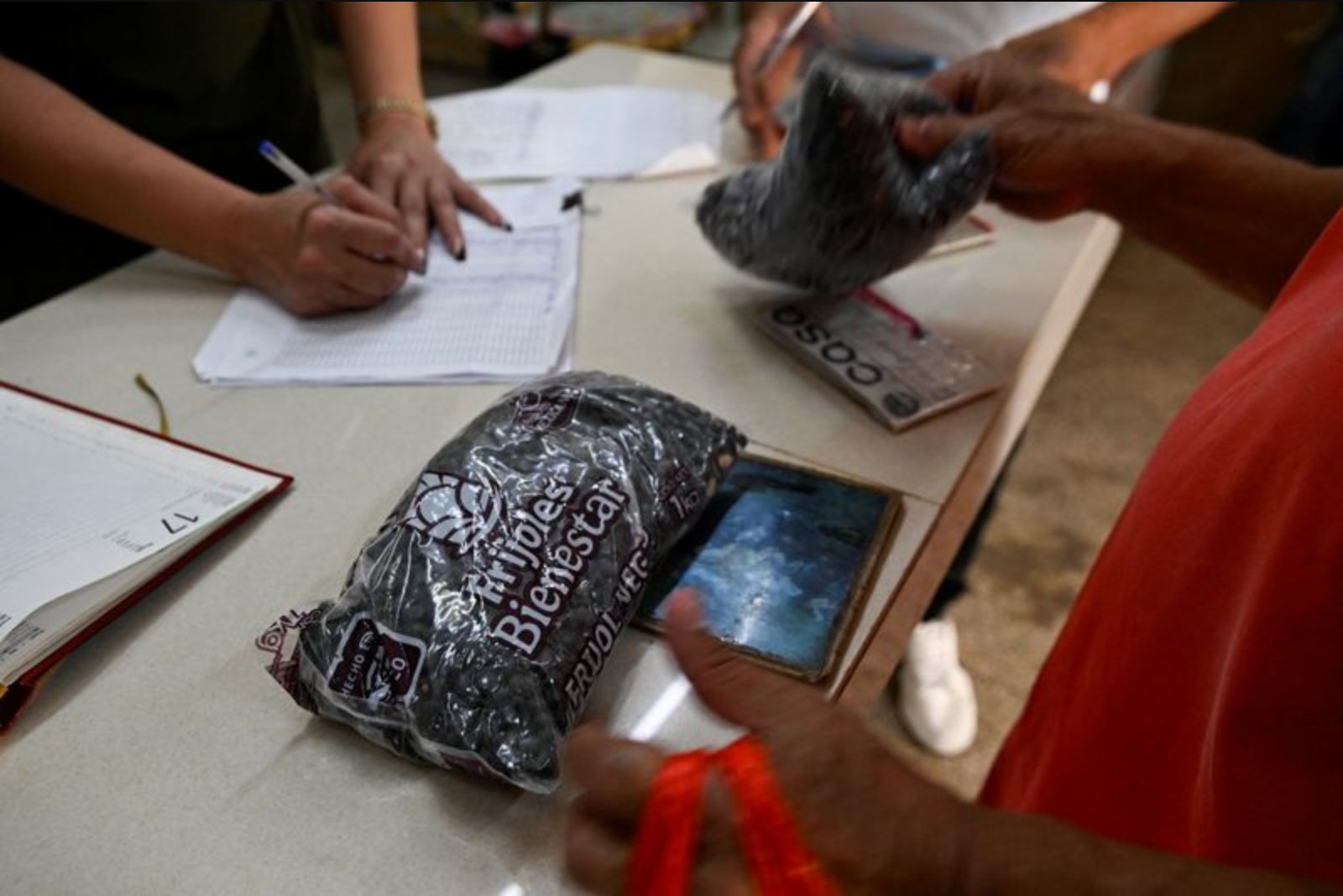
At a port in Progreso in Mexico's southeastern state of Yucatan, a group of volunteers moved boxes from trucks and cars onto a line of small boats preparing to cross the Gulf of Mexico toward Cuba.
The scene unfolded less than 800 kilometers (497 miles) from Havana and featured a mixture of donated staples and household goods. Volunteers loaded rice, beans, baby formula, baby wipes, shampoo, feminine pads and other basic items, and organizers said medications were purchased with the donations.
Organizers described the flotilla as modest in size but growing in support. "At the beginning we felt like we were going against the tide, trying to get enough aid," said Marisela Vega, one of the volunteers. "And suddenly it overflowed. ... When everyone started finding out, little by little they responded more and more."
The boats were scheduled to depart on Friday as part of "Nuestra America Convoy" - a non-government initiative that has called on volunteers worldwide to send essential goods to a single collection point in Cuba by Saturday. The campaign has emphasized the need for food, medicines and energy-related supplies such as batteries and flashlights.
Organizers framed the convoy as a direct civilian response to measures taken by U.S. President Donald Trump amid heightened tensions between Washington and Havana. The U.S. has imposed what the report described as an oil blockade on the Caribbean island after capturing Venezuelan President Nicolas Maduro, who had been noted as Havana's largest benefactor; President Trump this week also said he might soon have the "honor of taking Cuba," comments made as talks with the Cuban government were ongoing.
Before the U.S. ban on deliveries, Mexico had been an important supplier of fuel to Cuba, and the Mexican government has publicly provided humanitarian assistance to the island. "Cuba has lived through an economic blockade for years that has prevented the Cuban people from being able to develop freely in economic terms," Mexican President Claudia Sheinbaum said on Friday. "It is the people of Cuba themselves who must decide how to govern without foreign intervention."
Cuban President Miguel Diaz-Canel said goods from Europe had arrived on Friday as part of the "Nuestra America" aid effort. "The warmth of the people is welcome," he said in a social media post.
Donations and supplies noted in Progreso
- Food staples: rice and beans
- Infant needs: baby formula and baby wipes
- Personal care: shampoo and feminine pads
- Medical items: medications purchased through donations
- Energy-related necessities urged by organizers: batteries and flashlights
The volunteers at the port stressed that this was a civilian-led effort rather than a government operation, focused on getting essential goods to people facing shortages and power outages. The convoy's call for a centralized collection site in Cuba represented an attempt to coordinate incoming aid amid what organizers framed as an urgent humanitarian situation.
Local volunteers and organizers said the response from communities grew over a short period, swelling the volume of donations from a handful of initial contributors to dozens of boxes and parcels ready to be shipped across the Gulf.
Officials and organizers involved in the convoy emphasized the need to move quickly to reach a single collection point in Cuba by the specified deadline, framing the effort as a direct supply line for households affected by the energy disruptions and related economic pressures.