
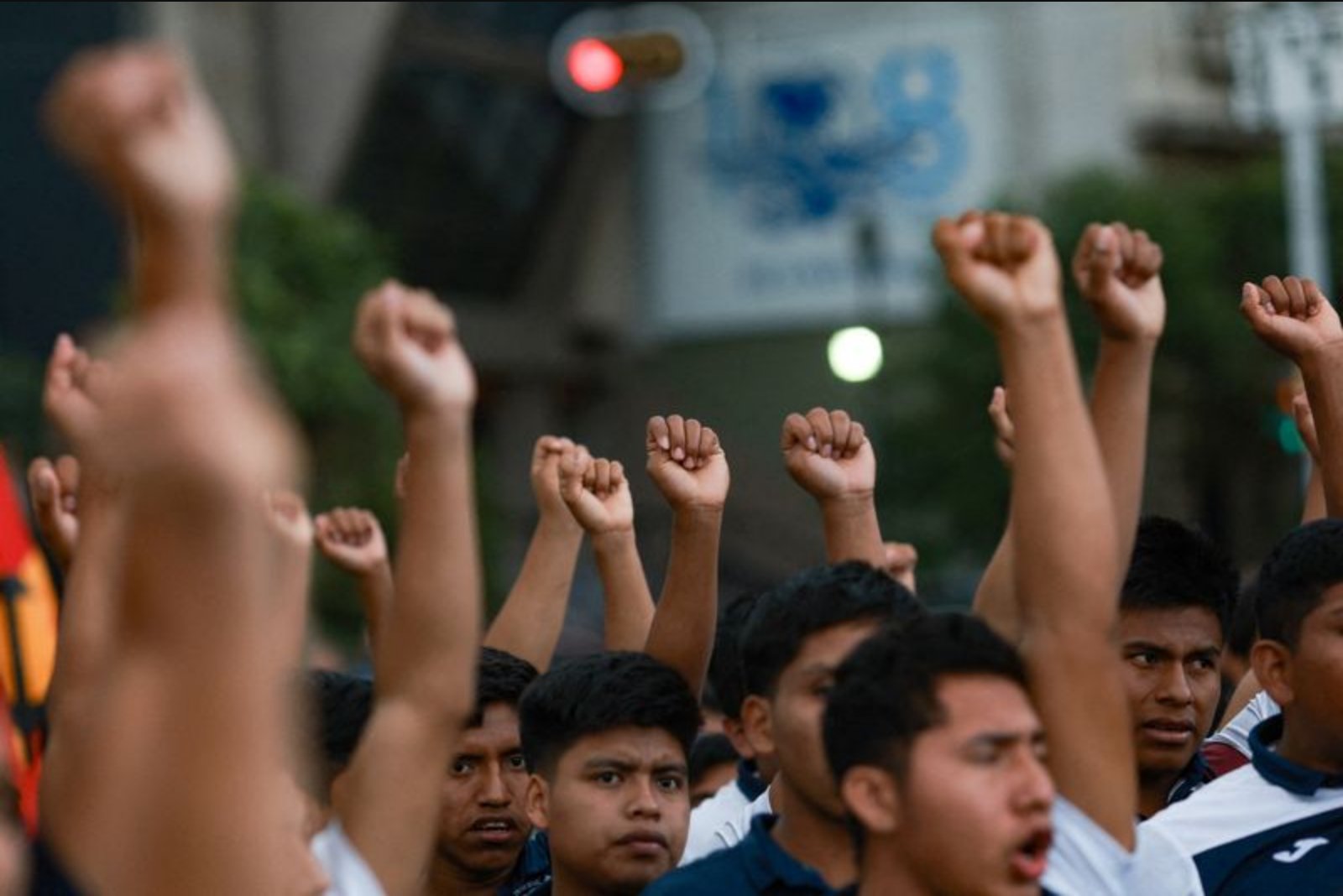
A federal court in Mexico has ordered the nation's armed forces to provide 853 pages of material generated by the army intelligence body known as the CFRI that previously had been declared non-existent by military authorities. The court decision, dated February 19, directs that those documents now be turned over in connection with the investigation into the 2014 disappearance of 43 students from the Ayotzinapa Rural Teachers College in Guerrero state.
The ruling, seen by Reuters, dismissed the army's prior assertion that the pages did not exist and explicitly required their delivery to investigators. It further noted that the documents may no longer be considered classified given the "overriding interest on the part of the victims’ families, as well as society in general, to know the truth," language that framed the court's reasoning for disclosure.
The disappearance remains one of Mexico's most contentious human rights cases. While the government has repeatedly pledged for more than a decade to identify and hold accountable those responsible, the judicial process has not produced convictions to date. More than 100 individuals have been arrested and face ongoing prosecutions, but no definitive court outcome resolving the fate of the students has been reached.
International investigations cited in the broader record have concluded that organized crime members, acting in cooperation with police, killed the students. Only three of the 43 students have had their remains positively identified; the locations of the others remain unknown.
The Agustin Pro Human Rights Centre, known as Centro Pro, which serves as legal representative for the families, welcomed the court's order. In a statement it said: "This ruling recognizes the right to the truth of the families and of society as a whole, underlining the obligation of SEDENA (defense ministry) and other military bodies to provide key information for the search for the students." The statement framed the ruling as a reaffirmation of victims' families' rights and the military's duty to cooperate with the inquiry.
Requests for comment to Mexico's defense ministry, SEDENA, were not immediately answered following the release of the ruling. At a morning press conference on Wednesday, President Claudia Sheinbaum said she had no knowledge of the ruling but stated she would meet with the victims' parents at the end of this month.
The court order represents a judicial determination that previously withheld military material should be made available to the investigation, citing the significant public interest attached to resolving the disappearance. The decision may prompt further legal and administrative steps as authorities and the families seek access to the fuller record of events surrounding the students' disappearance.
At this stage, the ruling requires compliance from military bodies in handing over the specified material. The broader investigation continues to be shaped by long-standing questions about information management, institutional transparency, and the effectiveness of prosecutions related to the case.