
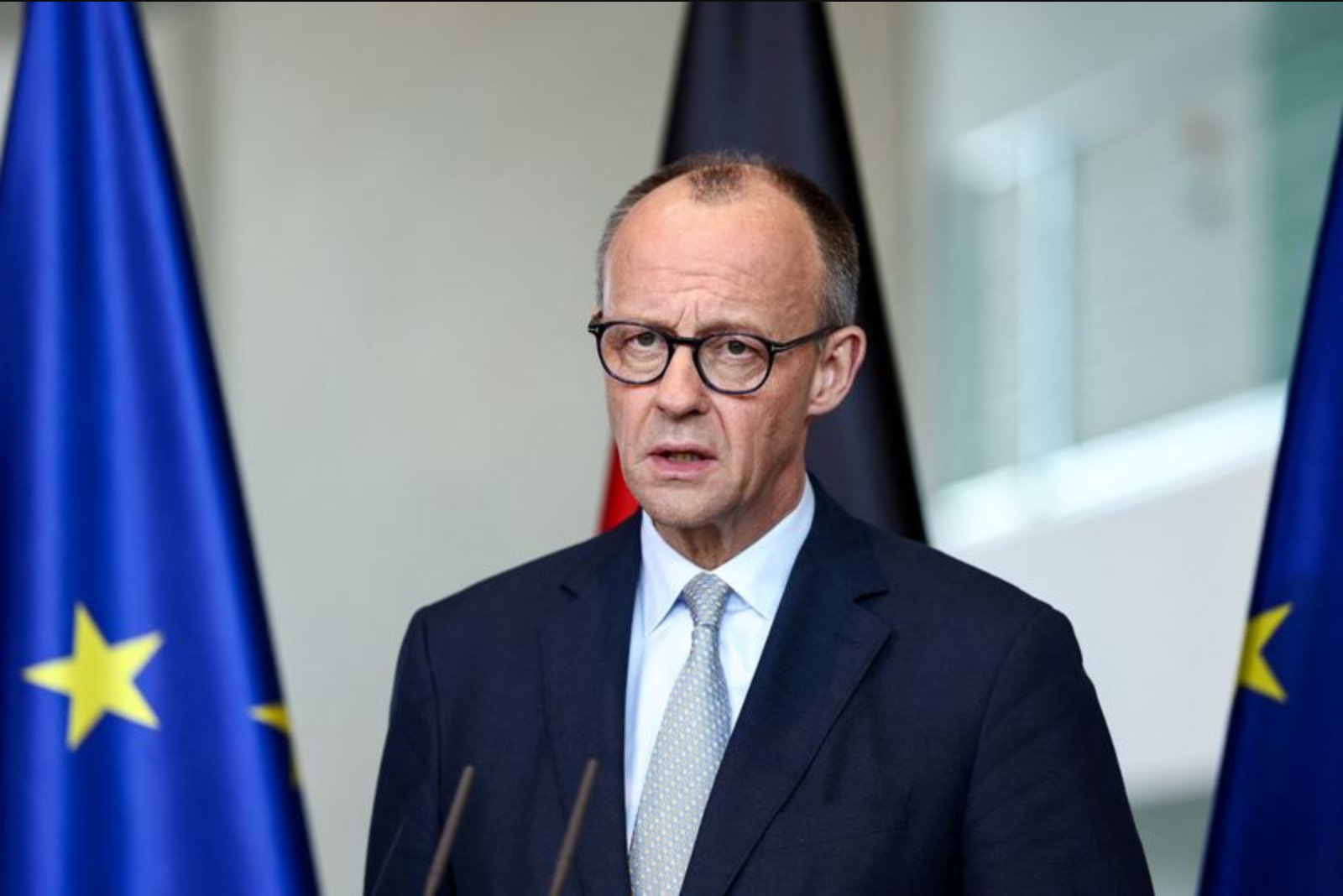
BERLIN, March 1 - German Chancellor Friedrich Merz urged the United States, European governments and regional partners to start crafting a strategy for Iran and its neighbourhood after U.S. and Israeli strikes killed its supreme leader. He said the Iranian people deserved a better future and that Germany's government supported U.S. objectives aimed at ending Tehran's nuclear armament and stopping what he described as a "destructive game" being played by Iran.
Speaking to reporters, Merz cautioned that the situation carried significant risks. "This is not without risk. We do not know how far the region will be drawn into escalation by Iran’s harsh counterstrikes," he said, underlining the uncertainty about how far hostilities could spread.
Merz acknowledged that there were reservations among some partners about the recent U.S. and Israeli actions, but he rejected using that as a reason to reproach allies at this moment. Instead, he emphasized collaboration. "We want to work with our partners in the U.S., Israel, the region, and Europe to develop an agenda for the day after," he said.
Merz set out four principal aims for that post-crisis agenda:
- Ensure peace and stability in the region.
- Persuade Iran to end its nuclear and ballistic missile programme.
- Contribute to a stable future for Iran.
- Help Iranians decide their own fate.
He also made clear that Germany would not tolerate attacks on U.S. or Israeli institutions on German soil, signaling a firm stance on protecting allied diplomatic and representative premises within the country.
Merz's remarks framed a diplomatic approach that combines short-term crisis management with longer-term goals for non-proliferation and political stability. He called for a cooperative plan among transatlantic and regional partners to address both immediate security concerns and the broader question of Iran's political trajectory.
As he articulated these priorities, Merz pointed to the need for coordinated action without giving way to recrimination among allies, focusing instead on building an agenda that could guide policy in the aftermath of the strikes and any subsequent Iranian responses.