
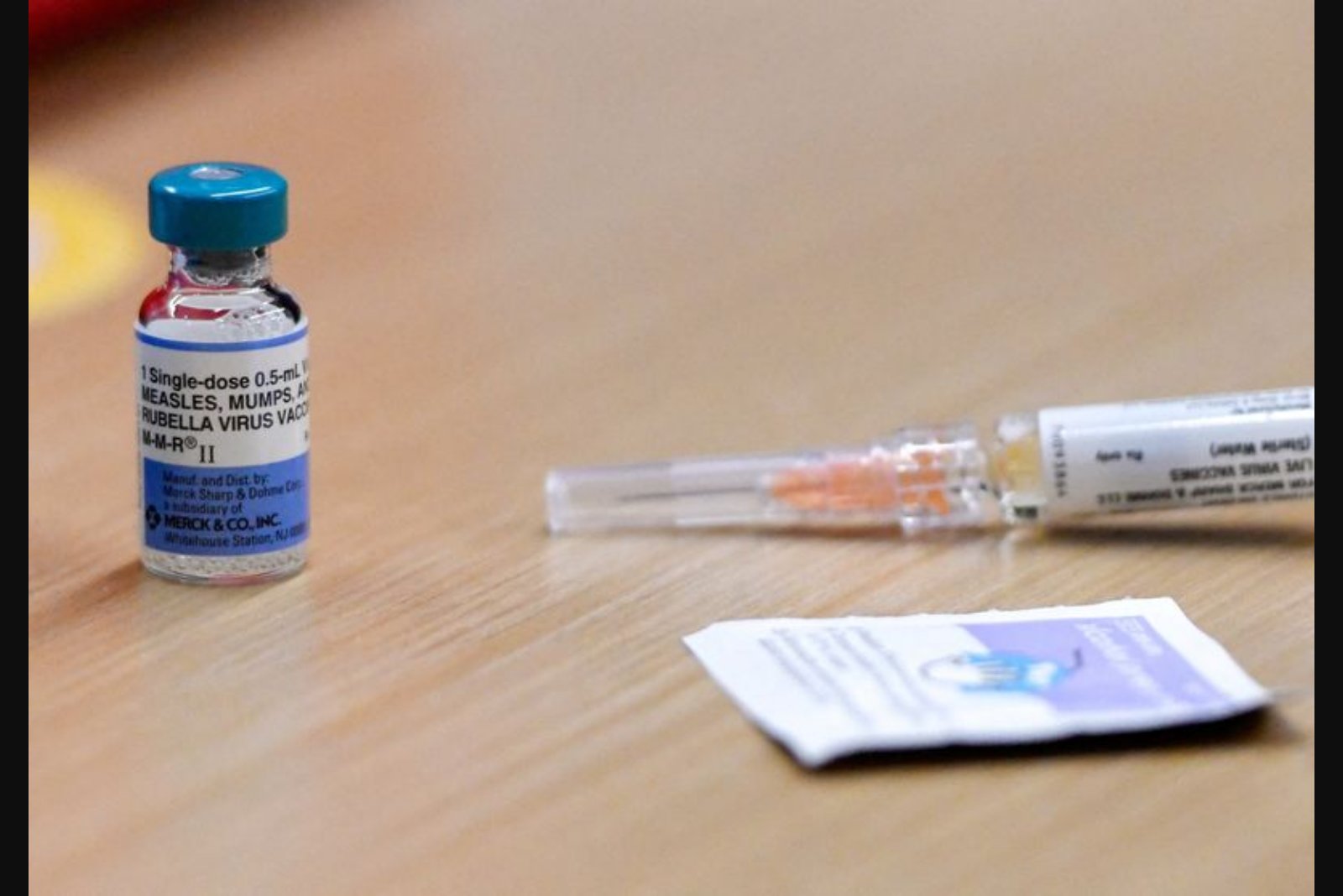
A national six-day online poll that closed on Monday shows clear majority backing for routine childhood immunizations and school vaccine requirements, underscoring the political resistance the current administration may face in pursuing major changes to long-standing public health policy.
Overall, 84% of respondents said vaccines for illnesses such as measles, mumps and rubella are safe for children. That broad confidence crosses party lines in differing degrees: 92% of Democrats and 81% of Republicans expressed that view.
On the question of school attendance, 74% of those surveyed said the government should require healthy children to be vaccinated in order to attend school, while 23% said unvaccinated children should be permitted to attend. The poll notes that nearly all U.S. states currently require vaccination for school enrollment, with some limited exemptions.
How policy proposals and administration priorities align with public sentiment
The poll comes amid moves by Health Secretary Robert F. Kennedy Jr. that have included dropping federal recommendations for several childhood immunizations and increasing federal encouragement for states to expand exemptions to vaccine mandates used for school attendance. These shifts are part of a broader policy direction that has drawn support from President Donald Trump and advocates organized under the Make America Healthy Again movement - which promotes fewer vaccines and changes in dietary policy among its priorities.
Public health officials have warned that weakening school vaccine mandates could lead to declines in vaccination coverage and increases in preventable illnesses. "Having vaccine requirements keeps schools safe, and we know they work. If they are rolled back, we will see vaccine rates fall, and unfortunately, we will see kids suffer," said Sean O'Leary, chair of the American Academy of Pediatrics' Committee on Infectious Diseases.
Partisan divisions on Kennedy and vaccine counts
Views of Kennedy himself vary sharply by party. Overall, 37% of respondents reported a favorable view of him, while 52% said they view him unfavorably. Broken down by political affiliation, 72% of Republicans view him favorably compared with just 12% of Democrats.
The poll finds more support for federal efforts to curb unhealthy eating than for reducing the number of recommended childhood vaccinations. Two-thirds of respondents said it is a good idea for the government to do more to discourage unhealthy eating, while only 29% supported the idea of reducing the number of recommended vaccines for children.
On vaccine mandates specifically, the survey shows that two-thirds of self-identified Republicans backed school vaccine mandates, while nine in 10 Democrats supported those mandates. When asked whether the statement "children in the United States today are given too many vaccines they do not actually need" was accurate, 55% of Republicans agreed and 44% disagreed. Among Democrats, 81% disagreed with that statement.
State rules, advocacy efforts and federal agency changes
State governments set which vaccines are required for school attendance. Religious or personal exemptions to vaccine mandates are allowed by 46 states and Washington, D.C., according to the National Conference of State Legislatures. Advocacy groups aligned with the Make America Healthy Again movement are active in as many as a dozen states this year, working to block school vaccine mandates and drawing momentum from federal policy changes.
At the federal level, a leadership reshuffle at the Centers for Disease Control and Prevention has included the departure of senior officials, such as principal deputy director Ralph Abraham. In his earlier role as the Surgeon General of Louisiana, Abraham took steps to halt efforts promoting mass vaccination. The agency also postponed a federal vaccine advisory board meeting to March.
Public concern over large food and pharmaceutical companies
The poll indicates strong public concern about the influence of major food producers on Americans' health, with 77% of respondents saying big food companies are harming public health. Sixty percent expressed the same concern about pharmaceutical companies.
Majorities across party lines endorsed additional federal action to discourage unhealthy eating - 67% of Democrats and 73% of Republicans said it would be a good idea for the federal government to intervene on this issue.
Health Secretary Kennedy has advanced multiple proposals focused on diet and food policy. In January he released new dietary guidelines that recommend Americans consume less sugar, advocated policies to limit purchases of junk food with food stamps, and pressed food manufacturers to remove artificial dyes from products.
Poll methodology
The online survey polled 4,638 U.S. adults nationwide and carries a margin of error of two percentage points.