
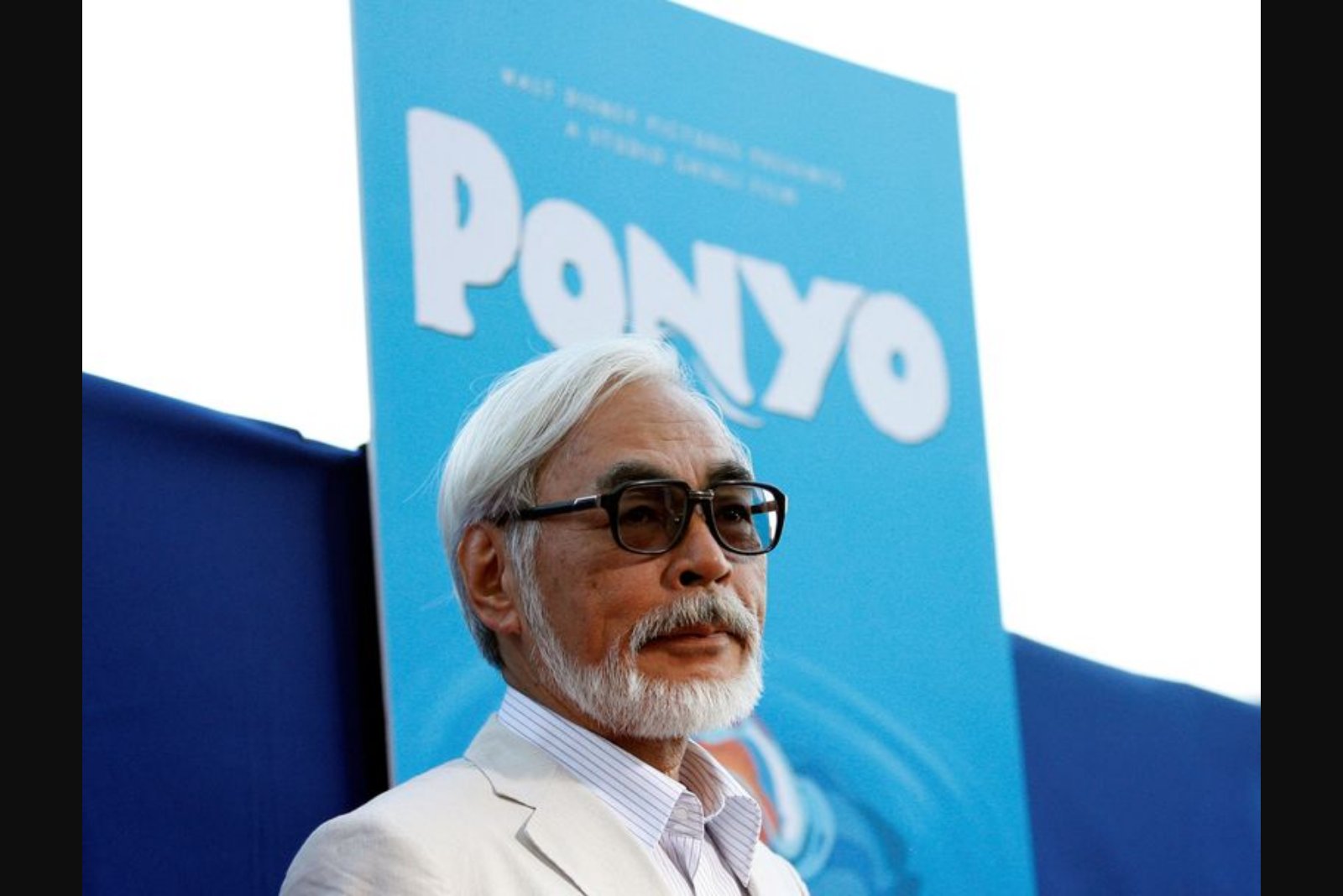
The Academy Museum in Los Angeles will open an exhibition on Saturday centered on Hayao Miyazaki’s 2008 hand-drawn fantasy film 'Ponyo,' inviting visitors to explore the film’s visual and creative process through more than 100 original materials and participatory tools.
Curated with a focus on the film’s appeal to young viewers, the show assembles rare artwork and production sketches from Studio Ghibli, the animation studio Miyazaki co-founded. The installation includes hand-drawn art boards dominated by bold ocean blues, sketches attributed to Miyazaki that capture pivotal moments in the story and a dedicated interactive station where visitors can experiment with stop-motion animation techniques.
Jessica Niebel, senior exhibitions curator at the Academy Museum, described 'Ponyo' as a unique entry in Miyazaki’s oeuvre because of its intended audience. In comments at the exhibit, she said: "'Ponyo' is a very special film in Hayao Miyazaki’s filmography. First of all, children are very close to his heart, and he likes to make movies for a young audience. 'Ponyo' is probably the movie that’s geared towards the youngest audience within his body of work."
The film itself, released in 2008, draws on the 1837 Hans Christian Andersen fairy tale 'The Little Mermaid' and follows a young goldfish-like princess named Ponyo who escapes the sea and is befriended by a 5-year-old human boy named Sosuke. As their relationship deepens, Ponyo’s wish to become a human girl becomes central to the narrative.
Beyond passive viewing, the exhibit’s interactive animation table gives visitors a hands-on opportunity to create short stop-motion sequences. Niebel emphasized the table’s role in demystifying filmmaking for children, saying: "I feel like filmmaking is such a large process and it’s such a big thing. I don’t know that children know and realize they can start out early. They can make their own little films already when they’re still very young. And these tables invite them to do just that."
In addition to celebrating the visual beauty of the drawn artwork, the exhibition also raises questions about the place of handcrafted animation in a technological age. Niebel expressed a hope that viewers will come away with an appreciation for the value of hand-drawn human work, particularly in an era of artificial intelligence.
Studio Ghibli, the creative home for Miyazaki, was founded in 1985 by Miyazaki alongside his longtime collaborator Isao Takahata and producer Toshio Suzuki. The show presents material that highlights the studio’s traditional production techniques and the personal involvement of Miyazaki in the film’s visual development.
The exhibit is positioned to engage families and fans of animation alike, offering both rare archival material and practical, introductory filmmaking experiences that aim to lower the threshold for young creators curious about the medium.
Summary
An immersive exhibition at the Academy Museum spotlights Hayao Miyazaki’s 'Ponyo' with more than 100 original Studio Ghibli materials, hand-drawn art boards, production sketches and an interactive stop-motion table meant to introduce children to filmmaking.
Key points
- The exhibit includes over 100 original production materials, rare artwork and sketches from Studio Ghibli, illustrating the hand-drawn process behind 'Ponyo'.
- An interactive animation table invites young visitors to experiment with stop-motion, aiming to introduce basic filmmaking techniques to children.
- The show emphasizes the importance of handcrafted animation in the era of artificial intelligence, positioning the exhibition at the intersection of culture, education and technology.
Risks and uncertainties
- There is an implicit risk that the broader influence of artificial intelligence could diminish public appreciation for hand-drawn, human-created animation - a concern the exhibit explicitly addresses.
- It is uncertain whether children visiting the exhibit will immediately recognize filmmaking as an activity they can begin at a young age, a barrier the interactive table seeks to lower.