
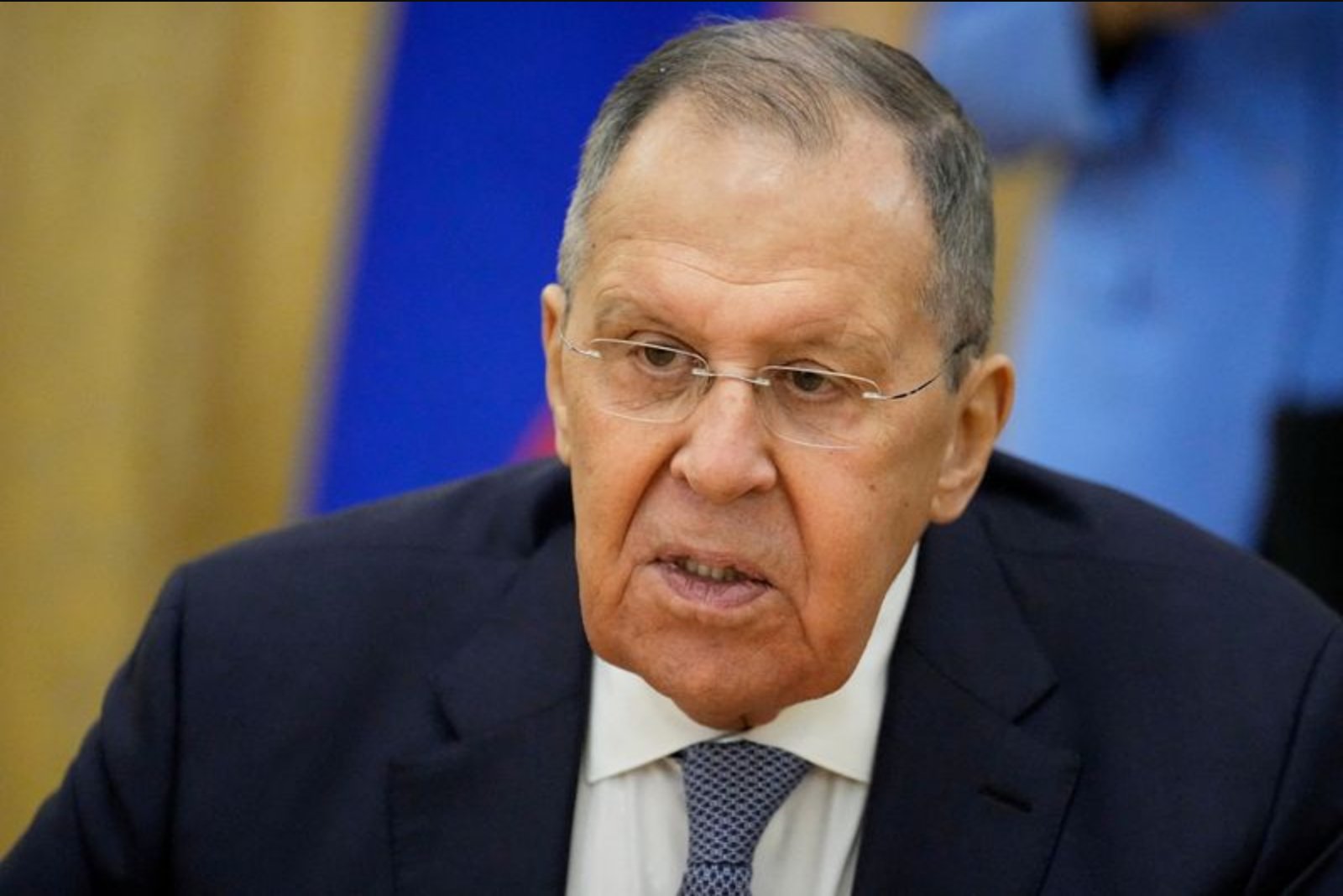
Russian Foreign Minister Sergei Lavrov told a Russia-based media outlet that while Moscow is open to cooperation with Washington, it does not foresee a "bright future" for economic ties between the two countries. The interview, published on Monday by TV BRICS, reiterated Moscow's willingness to engage yet expressed clear skepticism about the prospects for improved bilateral economic relations.
Lavrov pointed to what he described as the United States' stated goal of "economic dominance" in explaining Russia's pessimism. "We also don’t see any bright future in the economic sphere," he said in the interview.
Officials from Russia, including envoy Kirill Dmitriev, have previously discussed the possibility of a significant revival of economic relations with the United States as part of a potential settlement to the Ukraine conflict. Lavrov's comments indicate that, despite those earlier mentions, Russian leadership remains doubtful about the immediate prospects for such a restoration.
The foreign minister also referenced measures taken by the U.S. under President Donald Trump. While Trump has publicly spoken about reviving economic cooperation with Moscow and has hosted his Russian counterpart since his return to the White House, Lavrov noted that the U.S. has nonetheless imposed additional punitive measures on Russia's energy sector. He described this combination of outreach and sanctions in the context of strained economic engagement.
Lavrov further criticized what he characterized as U.S. hostility to the BRICS bloc - the group that includes Russia, China, India, Brazil and other developing economies - saying: "The Americans themselves create artificial obstacles along this path (towards BRICS integration)." He added that Russia is compelled to seek "additional, protected ways to develop our financial, economic, logistical and other projects with the BRICS countries."
Short-term policy signals, according to Lavrov's remarks, point to Moscow pursuing guarded cooperation channels with BRICS partners for projects spanning finance, economics and logistics. Those comments underline Russia's pursuit of alternatives rather than reliance on renewed large-scale economic ties with the United States.
Key points
- Lavrov says Russia remains open to cooperation with the U.S. but sees no "bright future" for economic relations, citing U.S. aims of "economic dominance."
- Despite talk of restoring economic ties tied to a Ukraine settlement, Russian officials remain skeptical; recent U.S. actions include added sanctions on Russia's energy sector.
- Russia plans to pursue protected financial, economic and logistical projects with BRICS partners amid what Lavrov described as U.S.-created obstacles to BRICS integration.
Risks and uncertainties
- Continued or expanded U.S. sanctions on energy could hinder prospects for bilateral economic recovery - impacting the energy sector directly.
- Obstacles to BRICS integration, as described by Lavrov, create uncertainty for the development of multilateral financial and logistical projects - affecting finance and logistics sectors.
- Statements of willingness to cooperate coexist with restrictive measures, leaving the timing and scale of any economic rapprochement uncertain.