
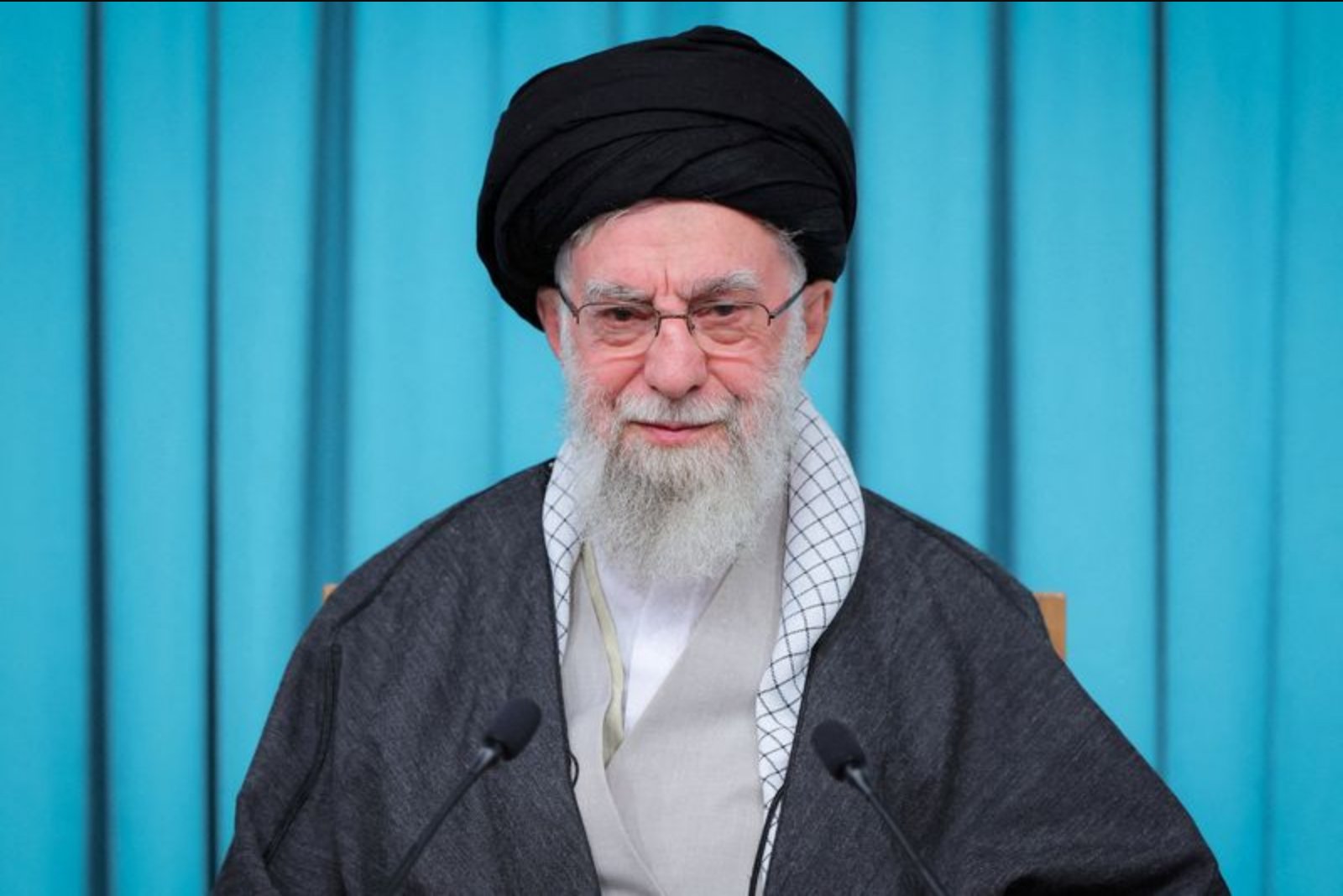
On Feb 28, U.S. and Israeli military action struck targets in Iran at the same time that Supreme Leader Ali Khamenei was meeting with senior aides, according to two U.S. sources and a U.S. official familiar with the matter. Israeli authorities said Khamenei was killed in the attacks, along with prominent figures including Ali Shamkhani, the former National Security Council secretary, and Mohammad Pakpour, commander of the Islamic Revolutionary Guard Corps ground forces.
Two Iranian sources told reporters that Khamenei held a meeting on Saturday with Shamkhani and Supreme National Security Council Secretary Ali Larijani at a secure site shortly before the strikes began. A senior Israeli official said Khamenei’s body had been located.
U.S. President Donald Trump posted on his Truth Social platform that Iran’s top leader was killed after U.S. intelligence identified his movements. In his post he said: "He was unable to avoid our Intelligence and Highly Sophisticated Tracking Systems and, working closely with Israel, there was not a thing he, or the other leaders that have been killed along with him, could do."
The joint U.S.-Israeli operation touched off a broader and unpredictable escalation across the Middle East. Iran has launched retaliatory strikes against Israel and against neighboring Gulf Arab states, according to accounts of the unfolding violence.
Officials speaking on condition of anonymity said that confirmation Khamenei was meeting with his top advisers put the Israeli-U.S. air and naval assault into motion. One U.S. official indicated the planners believed it was essential to strike Khamenei first to preserve the element of surprise and reduce the risk he could disappear into hiding.
Sources said the meeting had initially been expected to take place Saturday evening in Tehran, but Israeli intelligence detected an earlier gathering Saturday morning and the timing of the strikes was advanced. The exact venue for the meeting has not been disclosed. Iranian high-security compound in Tehran was struck early in the operation, and satellite images reviewed by reporters showed the compound had been destroyed.
Assessments of the consequences of Khamenei’s reported death are incomplete. In a pre-attack evaluation, the U.S. Central Intelligence Agency concluded that hardline elements within the IRGC could replace him, according to two individuals briefed on the intelligence. How that potential succession would unfold and what it would mean for regional dynamics remains uncertain.
Summary
U.S. and Israeli forces timed air and naval strikes on Iran to coincide with a meeting attended by Supreme Leader Ali Khamenei and senior advisers. Israeli officials say Khamenei and senior commanders were killed. The strikes have precipitated retaliatory attacks by Iran and raised questions about succession and the wider security and market consequences in the region.
Key points
- U.S. and Israeli forces launched strikes timed to a meeting of Iran’s supreme leader with top aides, according to U.S. sources.
- Israeli officials reported Khamenei was killed alongside senior figures including Ali Shamkhani and Mohammad Pakpour.
- The operation has led to retaliatory Iranian attacks and expanded the conflict across parts of the Middle East.
- Sectors likely to be closely watched following these events include defense, energy, and regional financial markets given the potential for supply and security disruptions.
Risks and uncertainties
- Uncertain leadership succession in Iran - U.S. intelligence assessed that IRGC hardliners could replace Khamenei, creating an unpredictable political transition.
- Escalation of regional hostilities - retaliatory strikes by Iran against Israel and Gulf Arab states have already been reported, raising the risk of further military confrontations.
- Operational intelligence limitations - the operation’s timing was adjusted after Israeli intelligence detected a meeting earlier than expected, indicating potential volatility in situational awareness.
Note: The article draws only on reported statements from U.S., Israeli, and Iranian sources and intelligence assessments described in those reports. Details such as the exact meeting location and full implications of reported casualties remain limited in the accounts reviewed.