
Nepal is scheduled to hold national elections on March 5 to fill a 275-seat assembly, marking the first vote since large-scale youth-led anti-graft demonstrations forced the government from office in September. The protests that preceded the election resulted in 77 deaths and more than 2,000 injuries, and they reshaped the electorate ahead of the ballot.
Election authorities report that nearly 19 million of the country’s roughly 30 million residents are registered to vote in the contest. Around one million voters - most of them young people - were added to the rolls following last year’s demonstrations. The assembly will be composed through a mixed electoral system: 165 members will be elected in direct contests where the candidate with the most votes wins, and the remaining seats will be allocated through proportional representation based on each party’s share of the vote. Officials say 65 political parties are participating in the election.
Analysts point to corruption and job creation as leading issues shaping voter preferences. About one fifth of Nepal’s population lives in poverty, and youth unemployment is high, making employment a central concern for many voters. These socio-economic pressures are central to how parties frame their campaigns and policy promises.
Foreign relations also factor into the contest. Nepal must navigate ties with its two powerful neighbours, India and China, both of which are significant trade partners. India accounts for two-thirds of Nepal’s international trade, while China represents 14 percent. According to the World Bank, China has lent Nepal more than $130 million. How parties propose to manage these relationships will be watched closely by voters who weigh economic and strategic implications.
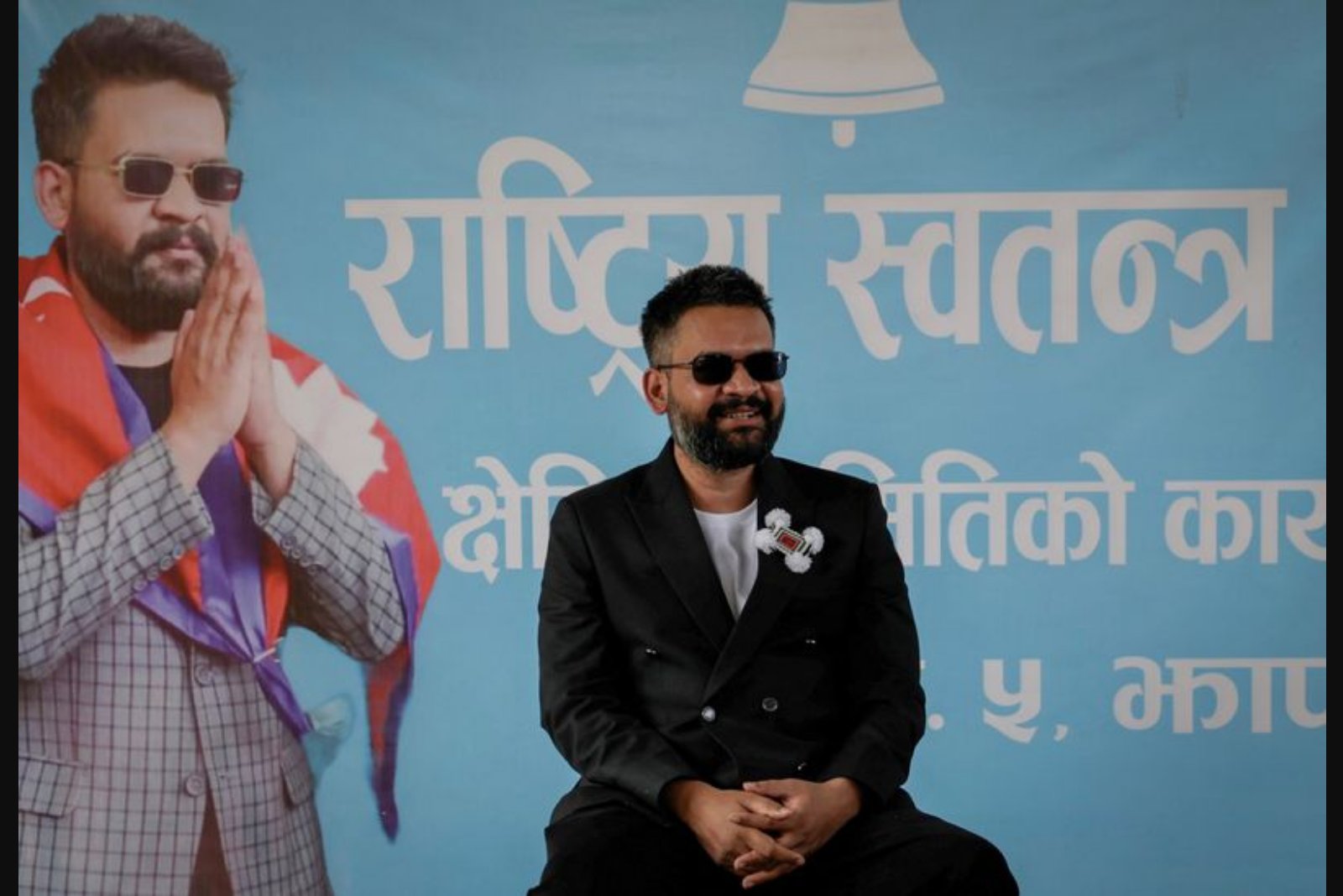
The field includes several high-profile figures. Balendra Shah, 35, a former mayor of Kathmandu who previously worked as a rapper and now represents the centrist Rastriya Swatantra Party, is viewed as one of the leading contenders for the prime ministership. Shah is facing K.P. Sharma Oli, 74, the four-time prime minister and candidate of the Communist Party of Nepal (Unified Marxist-Leninist), in the Jhapa 5 constituency. Oli is seeking to return to the top post but faces the challenge of regaining support among young voters who helped remove him from office about six months ago.
Other notable candidates include 49-year-old Gagan Thapa of the centrist Nepali Congress party and Pushpa Kamal Dahal, 71, who has served three terms as prime minister and now leads the Nepali Communist Party. The backgrounds of senior contenders differ significantly: Oli is described as having been a liberal communist since the 1990s, while Dahal led a decade-long Maoist insurgency before entering mainstream politics in 2006.
With a crowded roster of parties and heightened youth involvement in the electorate, the March 5 vote will test how political appeals around corruption, jobs and external relations translate into parliamentary seats under Nepal’s mixed electoral system.