
World March 13, 2026

Kallas Says U.S. Seeks to ‘Divide Europe,’ Urges Collective EU Response

EU foreign policy chief warns transatlantic tensions and US trade probes risk fragmenting European unity while calling for joint handling of US pressure and stronger European defence investment

By Jordan Park
Kallas Says U.S. Seeks to ‘Divide Europe,’ Urges Collective EU Response

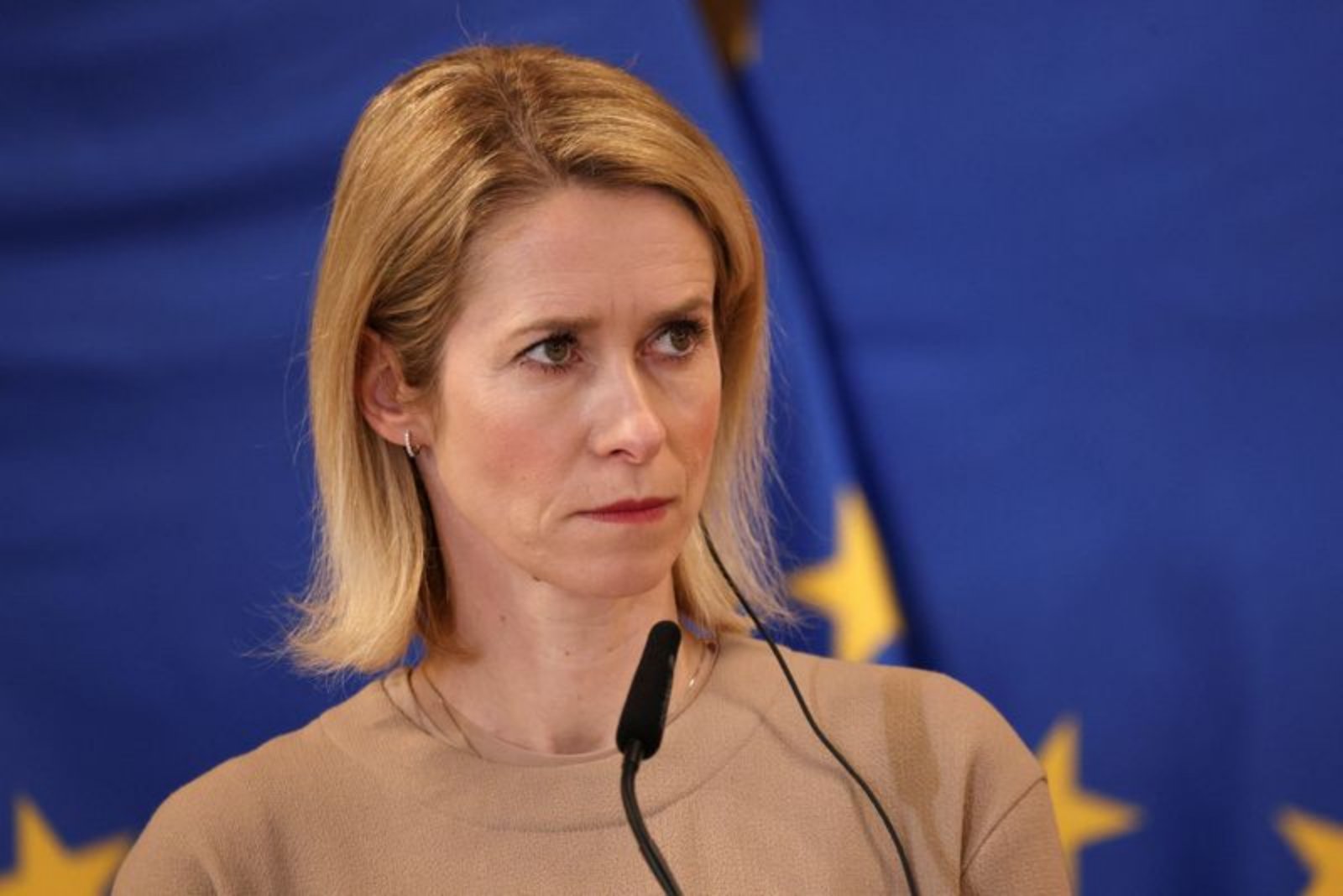
European Union foreign policy chief Kaja Kallas has accused the United States of wanting to 'divide Europe' and of disliking the EU, saying member states should respond to Washington together rather than bilaterally. Her remarks come as the Trump administration opens trade investigations into the EU and several other countries and after recent legal setbacks to parts of the US tariff program. Kallas also said Europe must continue buying some defence equipment from the US while investing in its own defence industry.

Key Points

  • Kaja Kallas said the U.S. wants to "divide Europe" and does not "like the European Union," urging EU member states to act together when dealing with Washington.
  • The Trump administration has launched trade investigations into the EU and several other countries - China, India, Japan, South Korea and Mexico - which could lead to new tariffs by this summer after parts of the U.S. tariff program were overturned by the Supreme Court.
  • Kallas said Europe currently needs to purchase some defence equipment from the United States due to capability shortfalls, while also calling for increased investment to develop a stronger European defence industry.

Summary: Kaja Kallas, the EU's foreign policy chief, told the Financial Times that the United States wants to "divide Europe" and does not "like the European Union." She urged EU member states to engage with the U.S. jointly rather than in separate bilateral deals, arguing unity preserves equal standing. Kallas also addressed defence procurement, saying Europe presently needs to buy American equipment because it lacks sufficient assets and capabilities, while calling for greater investment in a domestic defence industry.

In an interview published by the Financial Times, Kallas said bluntly:

"What I think is actually important for everybody to understand is that the U.S. has been very clear that they want to divide Europe. They don’t like the European Union,"

The remarks arrive amid a period of heightened strain in transatlantic relations under President Donald Trump’s second term, during which the administration has repeatedly targeted the EU. Actions referenced by Kallas include the imposition of tariffs on EU member countries and others, and discussion by the U.S. president of annexing Greenland - a move the article says could effectively end the NATO alliance.

This week, the Trump administration launched trade investigations into the EU and a list of other countries - specifically China, India, Japan, South Korea and Mexico - over alleged unfair trade practices. Under those investigations, the countries named could face new tariffs by this summer. The article notes those possible measures follow a U.S. Supreme Court decision that struck down much of the president’s tariff program last month.

Kallas told the FT that the U.S. approach toward the EU resembles tactics used by the bloc’s adversaries. She cautioned that individual EU states should avoid separate deals with Washington and instead confront pressure together, "because we are equal powers when we are together," she said.

On defence, Kallas acknowledged current European limitations, saying the bloc needed "to buy from America because we don’t have the assets or the possibilities or the capabilities that we need," and she added that Europe must invest in its own defence industry to build longer-term capacity.

Risks

  • Potential new U.S. tariffs against the EU and other countries could disrupt trade flows and affect export-oriented sectors and markets.
  • Talks about annexing Greenland and escalating tensions could strain NATO cohesion, posing geopolitical uncertainty for defence and security sectors.
  • If EU countries pursue bilateral arrangements with the U.S. rather than a united approach, the bloc’s bargaining power and political unity could weaken, impacting diplomatic and trade negotiations.

More from World

India Pauses US Trade Agreement As New U.S. Probe Stalls Progress Mar 13, 2026 U.S. Poised to Approve Record Arms Package for Taiwan After Trump’s China Visit Mar 13, 2026 Cuba to Free 51 Inmates Following Accord with the Vatican Mar 12, 2026 Conflict Enters Second Week as Leaders Vow to Continue Fighting Mar 12, 2026 Twin Attacks in Michigan and Virginia Raise Fears of Targeted Violence on U.S. Soil Mar 12, 2026