
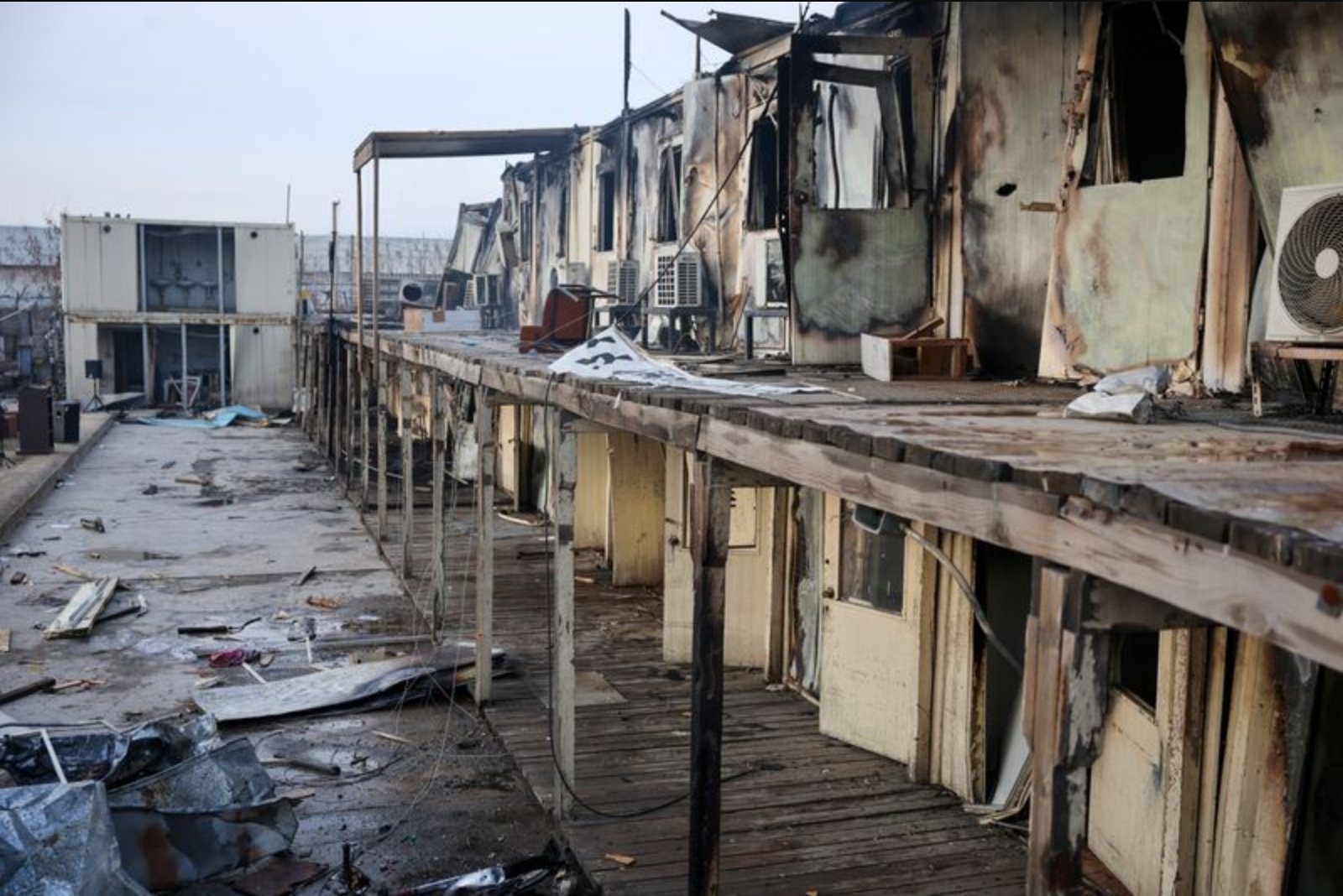
An air attack launched by Pakistan on Monday has intensified a conflict between the two South Asian neighbours, with Afghan authorities reporting mass civilian casualties and Islamabad disputing that account.
The Afghan Taliban government says the strike struck a drug rehabilitation hospital in the capital, Kabul, and that at least 408 people were killed and 265 injured. Pakistan, in turn, has rejected the Afghan claim. Pakistani officials say the operation targeted military installations and terrorist support infrastructure and that it was carried out with care to avoid collateral damage. Islamabad has not verified the casualty numbers reported by Afghan authorities.
The latest strike is the most recent episode in a broader deterioration of relations that erupted last month. According to the descriptions from both sides, the confrontation began when Pakistan launched air strikes inside Afghanistan, which Islamabad described as operations against militant strongholds. Afghanistan regarded those strikes as violations of its sovereignty that targeted civilians and launched retaliatory actions.
Over the past three weeks, both governments have reported launching air and drone strikes against each other while also engaging in ground firing along their shared 2,600-km (1,600-mile) border. Each side has claimed to have inflicted heavy damage and to have killed hundreds of opposition troops, though neither has produced evidence to substantiate those tallies.
Longstanding accusations of cross-border militancy have strained bilateral ties. Pakistan has repeatedly accused the Afghan Taliban government of allowing militants to use Afghan territory as a safe haven for attacks into Pakistan. Islamabad specifically points to the leadership of Tehreek-e-Taliban Pakistan and many of its fighters as being based in Afghanistan, and has also cited armed insurgents seeking independence for the southwestern Pakistani province of Balochistan as operating from Afghan soil. The Taliban leadership has denied these allegations and said that militancy in Pakistan is an internal Pakistani problem.
Diplomatic efforts to halt fighting have not taken hold this time. After similar clashes in October, a ceasefire was negotiated through talks mediated by Turkey, Qatar and Saudi Arabia. This round, despite calls from countries including Turkey and Russia for dialogue to resolve differences, no negotiations have been announced. The Afghan Taliban indicated last month that it was willing to negotiate with Pakistan, but Pakistani officials have shown no reciprocal inclination.
China, which maintains ties with both Afghanistan and Pakistan, has urged the parties to pursue "dialogue and negotiation" and said on Tuesday that it will continue to play a "constructive role" in efforts to de-escalate tensions between the two countries.
As the situation unfolds, official casualty figures and claims of battlefield success remain contested. The lack of independent verification of the reported deaths and injuries, combined with ongoing strikes and cross-border firing, leaves the immediate outlook uncertain and the risk of further escalation present.