
Federal trade litigation will move behind closed doors on Friday as Judge Richard Eaton of the U.S. Court of International Trade convenes a private meeting with lawyers from the government to discuss a strategy for repaying importers who were charged tariffs that a higher court has since found unconstitutional.
Court records describe the session as a "closed conference." Gina Justice, the clerk for the trade court, told reporters the meeting is being treated as a "settlement conference." The purpose, according to filings and statements from the bench, is to work out a practicable process to reimburse importers for tariffs collected under measures that the U.S. Supreme Court struck down last month.
The value at issue in the litigation is substantial - up to $175 billion in tariffs that the government collected but which a court found to be illegally imposed. Judge Eaton will meet with lawyers representing U.S. Customs and Border Protection, the agency charged with returning funds to more than 300,000 importers who paid the disputed tariffs. Government counsel have warned the refund effort is unprecedented in scale and will likely require manual review of tens of millions of tariff payments.
The matter arose from a complaint filed by a single importer, Atmus Filtration Inc., which told the court it had paid $11 million in tariffs that were later declared unconstitutional. Though Atmus brought the initial case, Eaton issued an order on Wednesday directing Customs to begin the refund process using the agency's existing internal procedures. The order made explicit that its reach is not limited to the single plaintiff but applies to all importers who paid the challenged duties.
Atmus' counsel are permitted to join Friday's conference remotely, according to the court docket. The company and Customs and Border Protection did not provide comments in response to requests. It remains unclear from filings why the Atmus case, which was filed last week, became the vehicle through which the court will litigate the refund procedures for roughly 2,000 related matters.
Judge Eaton said he was selected by the court to oversee the cluster of cases and signaled a preference for a process that would limit the need for additional litigation. At a recent hearing he emphasized the goal of preventing chaos in issuing refunds and encouraged Customs to propose an orderly approach to process the paperwork tied to approximately 79 million shipments.
"I don't believe that any of this has to be chaotic with respect to anybody, because I know that you're going to try to come up with a way of doing it," Eaton said. "And so on Friday, we're going to hear at least the initial ideas from the customs service as to how this will proceed."
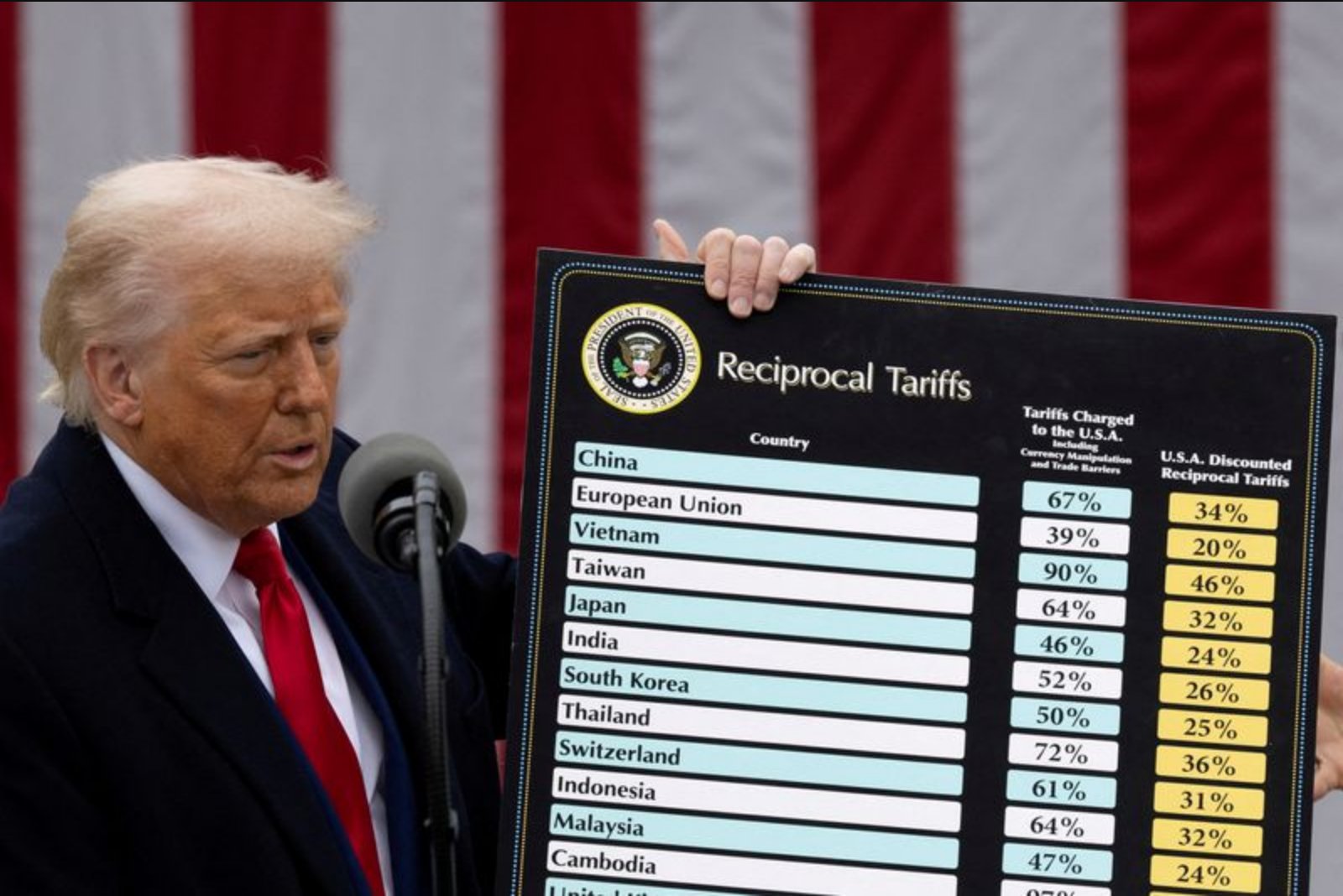
The Supreme Court's ruling, issued on February 20, found that the previous administration had overstepped its authority in imposing a broad set of tariffs. While the high court invalidated those tariffs, it did not lay out a framework for refunds. In a dissent, Justice Brett Kavanaugh warned that the absence of clear guidance on refunds could produce a "mess."
The potential operational burden and administrative cost of issuing refunds has generated concern among many of the affected importers. The vast majority of entities that paid the now-invalidated duties are small businesses that have signaled apprehension that pursuing reimbursement could be costly and distract from their regular operations.
An attorney working on other refund-related cases told observers they expect the meeting to produce a publicly announced process, possibly as soon as Friday, that would enable a large share of importers to receive refunds relatively quickly without having to pursue individual litigation. Several other importer actions, including cases by VOS Selections and Learning Resources, were filed early in 2025 and progressed to the Supreme Court. The legal teams for VOS Selections and other plaintiffs have asked that their matters be transferred to Judge Eaton, though the court has not yet acted on those transfer requests.
Practically speaking, Customs faces the task of examining records tied to tens of millions of tariff payments and identifying who should receive refunds under Eaton's order. Government lawyers have described the scale of that effort as unprecedented and said it would likely necessitate significant manual work. Eaton indicated he expects Customs lawyers to present initial proposals at Friday's 10:30 a.m. ET (1530 GMT) conference for how to navigate the paperwork and execute refunds on the volume of shipments involved.
The decision to hold a private settlement conference departs from the general expectation that court proceedings are public, though judges sometimes meet with parties privately to manage case logistics or address sensitive information. Court officials characterized this session as aimed at settlement and procedural coordination rather than a public hearing.
For importers, regulators and market participants, the coming days may clarify how the government intends to reconcile the Supreme Court's ruling with practical administrative steps to return funds. For now, the immediate focus is the closed-door meeting and whether Customs' proposed approach will be sufficient to deliver timely refunds to the broad cohort of affected businesses without triggering waves of follow-on litigation.