
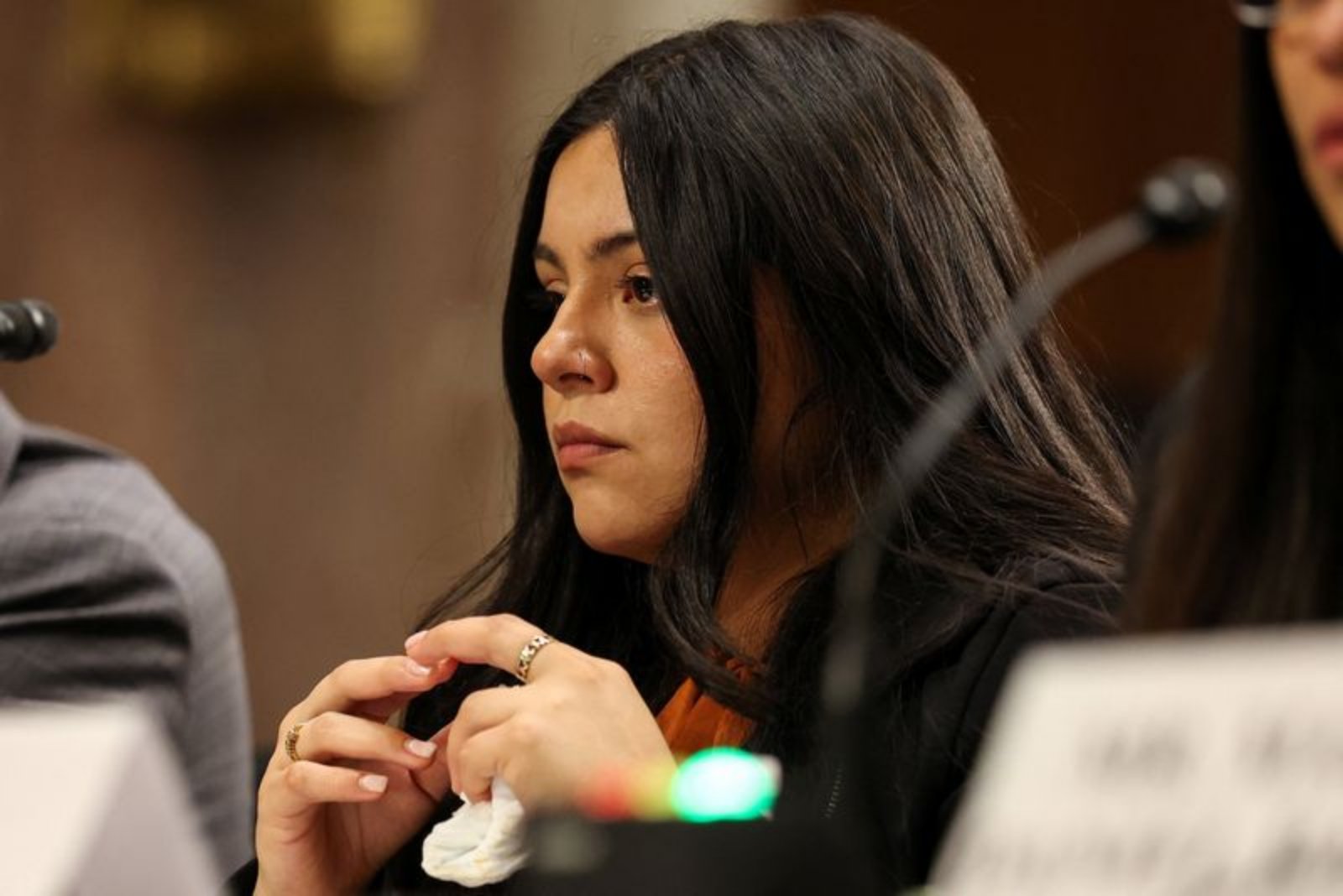
A federal judge in Chicago on Friday lifted a protective order that had limited access to body-worn camera footage, text messages and other evidence connected to the shooting of a Chicago woman by a U.S. Border Patrol agent during an immigration enforcement operation last October.
The ruling was made by District Judge Georgia N. Alexakis in response to a formal request from Marimar Martinez, a 30-year-old Montessori school teacher and U.S. citizen who was shot multiple times while protesting an immigration surge. The judge's decision clears the way for the materials to be released beyond the narrow confines set by the prior protective order.
Federal authorities initially accused Martinez of forcing contact with the agent's vehicle - including ramming the car and boxing the agent in with her vehicle - and she was indicted on federal charges of impeding a federal officer. Those charges were later dropped by the U.S. attorney's office after evidence was shown in court indicating that the Border Patrol agent, identified as Charles Exum, had driven his vehicle back to his base in Maine and subsequently exchanged text messages in which he appeared to boast about the shooting.
Martinez's attorney, Christopher Parente, has described bodycam footage taken by a Border Patrol agent during the episode as showing the agent at the wheel turning the steering wheel to the left toward Martinez's car. According to Parente's account, after the two vehicles made contact the agents exited their vehicles and one of them fired at Martinez.
The move to lift the protective order came after Martinez sought wider public release of the evidence, following a pair of fatal shootings in Minnesota last month in which two individuals, Renee Good and Alex Pretti, were killed by immigration agents. Martinez testified earlier in the week at a public forum organized by congressional Democrats in Washington, where she described surviving what she called an "attempted murder." She was present in court on Friday when the judge issued the order lifting the restrictions.
The court's decision makes available to a broader audience the body-worn camera footage, text message exchanges and related materials that formed part of the evidentiary record and that had previously been shielded by the protective order. The record presented in court, including the agent's travel of the vehicle back to Maine and the text messages, had played a role in the U.S. attorney's office choosing to dismiss the federal obstruction charge against Martinez.
The unsealing of these materials may shape further public and legal scrutiny of the incident. At the same time, the record in the proceeding reflects the constrained set of facts presented to the court: allegations by the Department of Homeland Security that Martinez struck or boxed in the agent's vehicle, Martinez's account and her lawyer's description of the bodycam footage, the agent's return to his base in Maine, and his text messages referencing the shooting.