
HONG KONG, Feb 9 - Jimmy Lai, the media entrepreneur who founded the now-closed Apple Daily, is scheduled to be sentenced on Monday in what prosecutors describe as the city’s most prominent national security case. Lai was convicted on December 15 of two counts of conspiracy to collude with foreign forces and one count of publishing seditious materials, concluding a legal process that began with his arrest in August 2020.
The outcome of the sentencing will follow nearly five years of legal proceedings and sustained international attention. Lai, 78, has denied the charges and told the court he is a "political prisoner" being persecuted by Beijing. Advocates for Lai, as well as some foreign leaders, have appealed for his release, citing concerns about his health and the broader implications for press freedom in the city.
Legal background and potential penalties
Under sentencing guidance provided by the national security law (NSL), those convicted of serious national security offences can face penalties in the most severe "band" ranging from ten years to life imprisonment. Prosecutors have characterised Lai as a "mastermind" in a conspiracy to collaborate with foreign activists, politicians and others to seek foreign sanctions targeting Hong Kong and China. The guidelines place Lai in the category of offences deemed to be of a "grave nature".
Alongside Lai, six former senior staff members of Apple Daily, an activist and a paralegal are also scheduled to receive sentences arising from related proceedings.
Health concerns and domestic support
Family members, legal counsel, supporters and former colleagues have warned publicly about Lai’s frail condition, noting that he suffers from health problems including heart palpitations and high blood pressure. Those close to him have said they fear he could die while incarcerated.
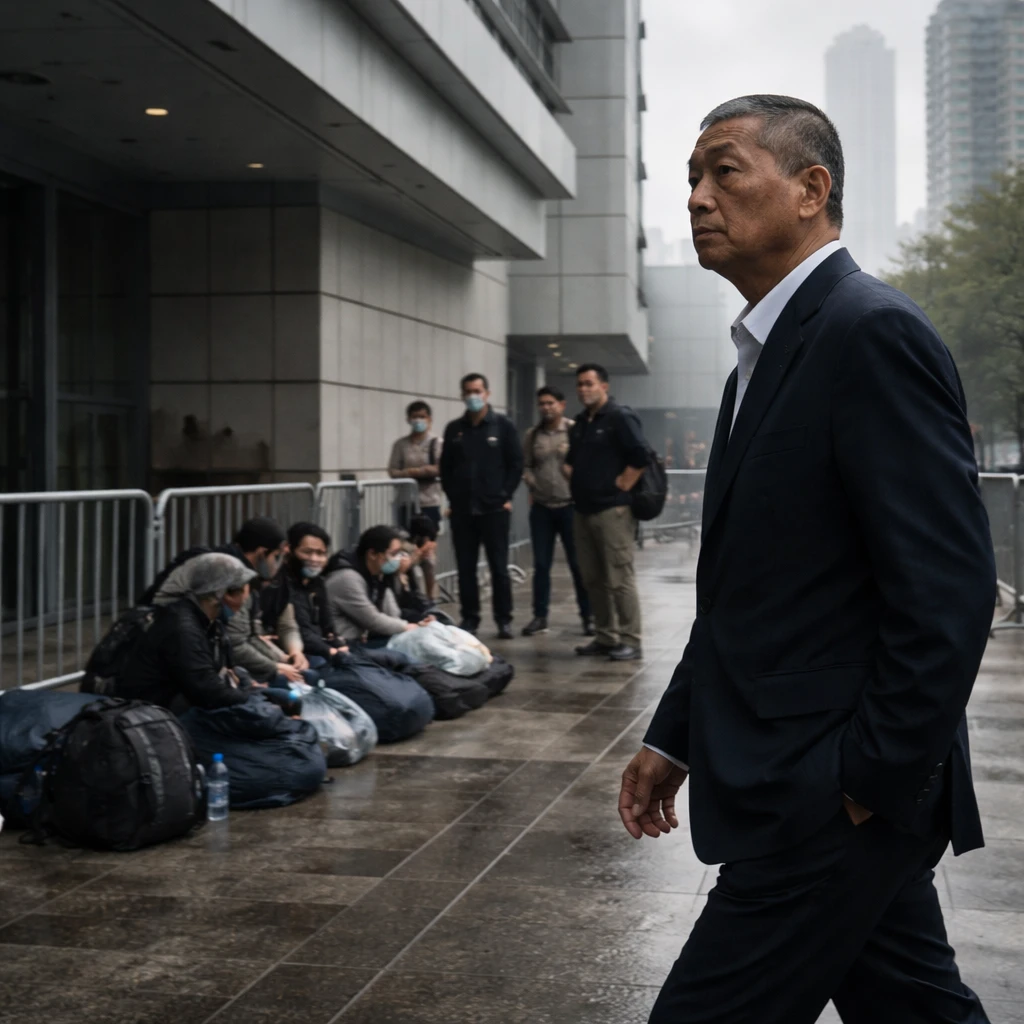
Outside the courthouse ahead of the sentencing, supporters have gathered in numbers, with some sleeping overnight to secure places in the queue. "I worry about his health most. I hope he and his family can be at peace," said Simon Ng, 65, one of dozens who camped outside the court, some with sleeping bags and camping gear.
International diplomatic engagement
The case has attracted attention from senior international figures. British Prime Minister Keir Starmer raised Lai’s situation directly with China’s leader during a recent meeting in Beijing’s Great Hall of the People, according to people briefed on the discussions. Britain’s national security adviser, Jonathan Powell, and China’s foreign minister, Wang Yi, were reportedly present.
After returning to the UK, Starmer told parliament: "I raised the case of Jimmy Lai and called for his release. Those discussions will continue, and the foreign secretary is in touch with Mr Lai’s family." In a separate encounter, U.S. President Donald Trump also raised Lai’s case with China’s leader last October.
Several Western diplomats have told observers that formal negotiations to seek Lai’s freedom would likely begin in earnest only after the sentencing and would depend on whether Lai pursues an appeal.
Responses and wider implications
Press freedom advocates have condemned the proceedings. Beh Lih Yi, Asia-Pacific director at the Committee to Protect Journalists, said: "Jimmy Lai’s trial has been nothing but a charade from the start and shows total contempt for Hong Kong laws that are supposed to protect press freedom."
Chinese authorities, by contrast, maintain that Lai received a fair trial and that all defendants are treated equally under the national security law, which Beijing says has restored order to the city.
The sentence to be handed down on Monday will mark a significant moment in a high-profile case that has tested Hong Kong’s legal and political fault lines. How the city’s courts and governments at home and abroad respond in the days following the sentence - particularly if an appeal is lodged - will shape immediate diplomatic and public reactions.