
World June 1, 2026 07:04 AM

Japan Says Chinese Carrier Liaoning Conducted Drills East of the Philippines

Tokyo reports carrier strike group activity and flight operations in western Pacific; Taipei also monitoring movements

By Nina Shah

Japan's defence ministry reported that the Chinese aircraft carrier Liaoning and its accompanying vessels carried out carrier flight drills in the Pacific Ocean east of the Philippine island of Luzon between May 26 and May 28. The bulletin said the carrier group conducted about 170 take-offs and landings and sailed as close as 590 km southeast of Miyakojima island. Taiwan's defence ministry has been tracking the Liaoning as well, noting its transit through the Taiwan Strait earlier this year.

Japan Says Chinese Carrier Liaoning Conducted Drills East of the Philippines

Key Points

  • Japan's defence ministry reported the aircraft carrier Liaoning and accompanying vessels operated east of the Philippine island of Luzon between May 26 and May 28, conducting about 170 take-offs and landings.
  • The Chinese carrier group sailed as close as 590 km (367 miles) southeast of Miyakojima island and was reported moving southeastward along the Philippines on Friday, with no further updates provided by Japan.
  • Taiwan's defence ministry has also monitored the Liaoning; in April Taipei said it was the first Chinese carrier to transit the Taiwan Strait since December. Relevant sectors include defence, regional maritime operations, and shipping surveillance.

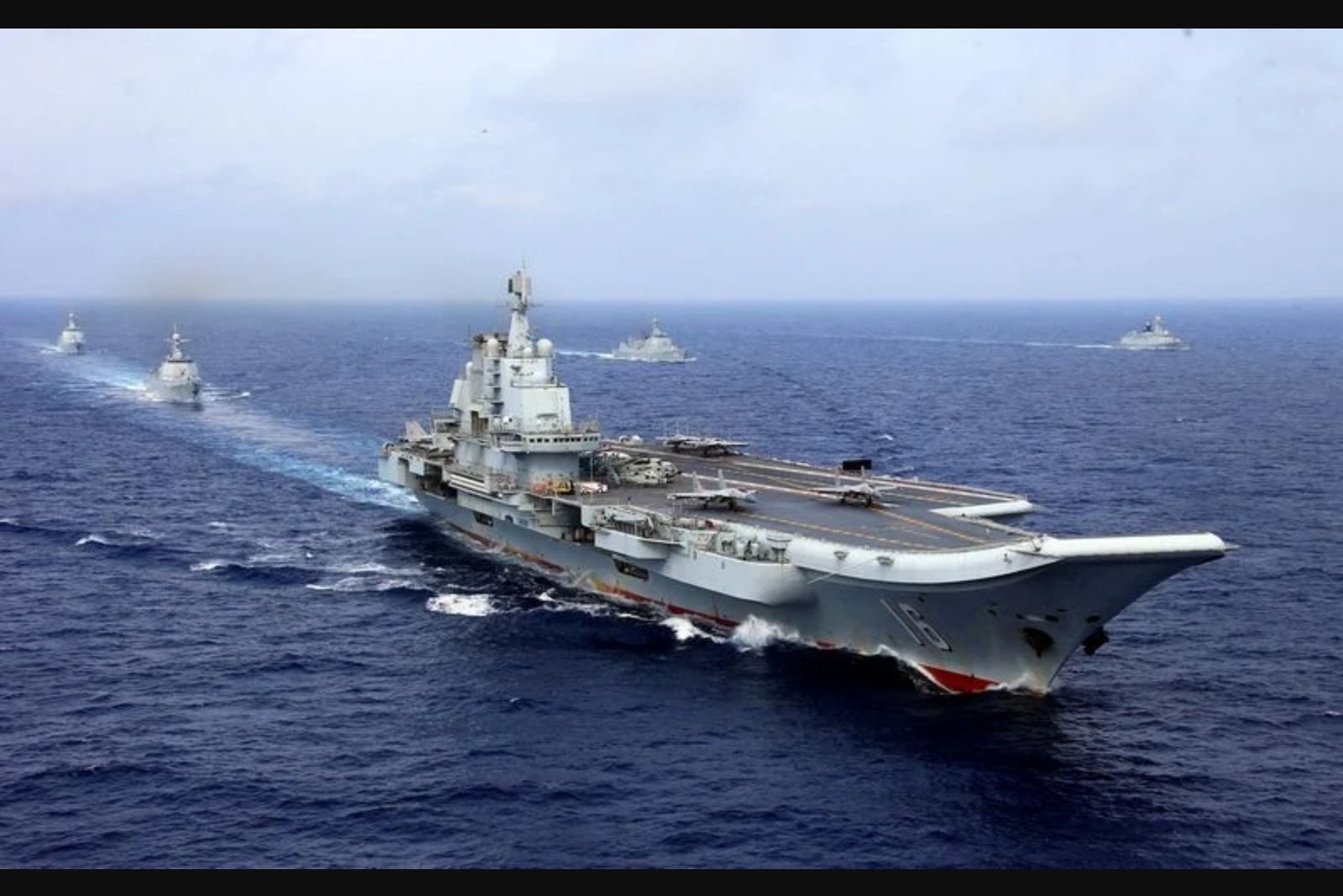
TOKYO, June 1 - Japan's defence ministry said on Monday that Chinese naval forces conducted aircraft carrier flight drills in the Pacific Ocean to the east of the Philippines last week, according to a ministry bulletin that included a map of the vessels' movements.

The Japan Maritime Self-Defense Force confirmed the presence of the aircraft carrier Liaoning and accompanying ships in the waters east of Luzon between May 26 and May 28. The bulletin reported that planes and helicopters stationed on the Liaoning performed roughly 170 take-offs and landings while the fleet operated around the western Pacific Rim.

Japan's release noted the Chinese flotilla reached a position as near as 590 km (367 miles) southeast of Miyakojima island. The defence ministry added that the Liaoning was moving southeastward along the Philippines on Friday, but provided no further operational updates in the bulletin.

Taiwan's defence ministry has also been monitoring the Liaoning. In April, Taipei said the Liaoning was the first Chinese aircraft carrier to transit the Taiwan Strait since December. The Japanese bulletin linked the recent increase in Chinese maritime activity in the western Pacific to Beijing's response to the strengthening of security ties between the United States' regional partners Japan and the Philippines.

The bulletin itself supplied the chronology and a map of the carrier group's course, and described the volume of flight operations conducted from the Liaoning during the period specified. The ministries in Tokyo and Taipei confirmed surveillance of the vessel's movements but did not include additional operational details or follow-up information beyond the movements and flight activity reported for the May 26-28 window.

Observers and regional authorities continue to track the Liaoning's deployment pattern, with Japan and Taiwan publicly documenting the carrier's recent transits and activity. The Japanese bulletin remains the primary source for the movements described between late May and the end of that month.

Risks

  • Limited public updates - Japan's defence ministry provided no additional follow-up information after reporting the Liaoning's southeastward movement, creating gaps in publicly available situational awareness. This has implications for defence and maritime monitoring sectors.
  • Rising maritime activity - The bulletin indicates an uptick in Chinese naval activity in the western Pacific in response to deeper security ties among regional U.S. allies, which could sustain higher operational tempos affecting regional defence posture and maritime surveillance operations.
  • Cross-strait and regional monitoring - Continued transits through or near the Taiwan Strait and operations near Philippine waters increase the need for persistent monitoring by regional defence establishments and related industries that provide reconnaissance and intelligence services.

More from World

Kennedy Center Directed to Revert Name After Federal Ruling Jun 4, 2026 Colorado Appeals Court Orders New Trial for Paramedics in Elijah McClain Death Jun 4, 2026 U.S. Treasury Adds Cuban President Miguel Diaz-Canel to Sanctions List Jun 4, 2026 Zelenskiy Invites Putin to Direct Talks in Open Letter, Proposes Ceasefire During Negotiations Jun 4, 2026 Zelenskyy Calls for Direct Talks With Putin, Offering Ceasefire During Negotiations Jun 4, 2026