
TOKYO, March 19 - Japan's central government said on Friday that it has not altered the standard it uses to determine what constitutes an existential threat, rejecting an assessment by U.S. intelligence agencies that described a "significant shift" in Tokyo's posture toward Taiwan.
The U.S. agencies, in an annual threat report released on Wednesday, highlighted remarks by Prime Minister Sanae Takaichi in which she suggested that a hypothetical Chinese attack on Taiwan could prompt a Japanese military response. The agencies characterized those remarks as departing from the rhetoric of previous Japanese leaders.
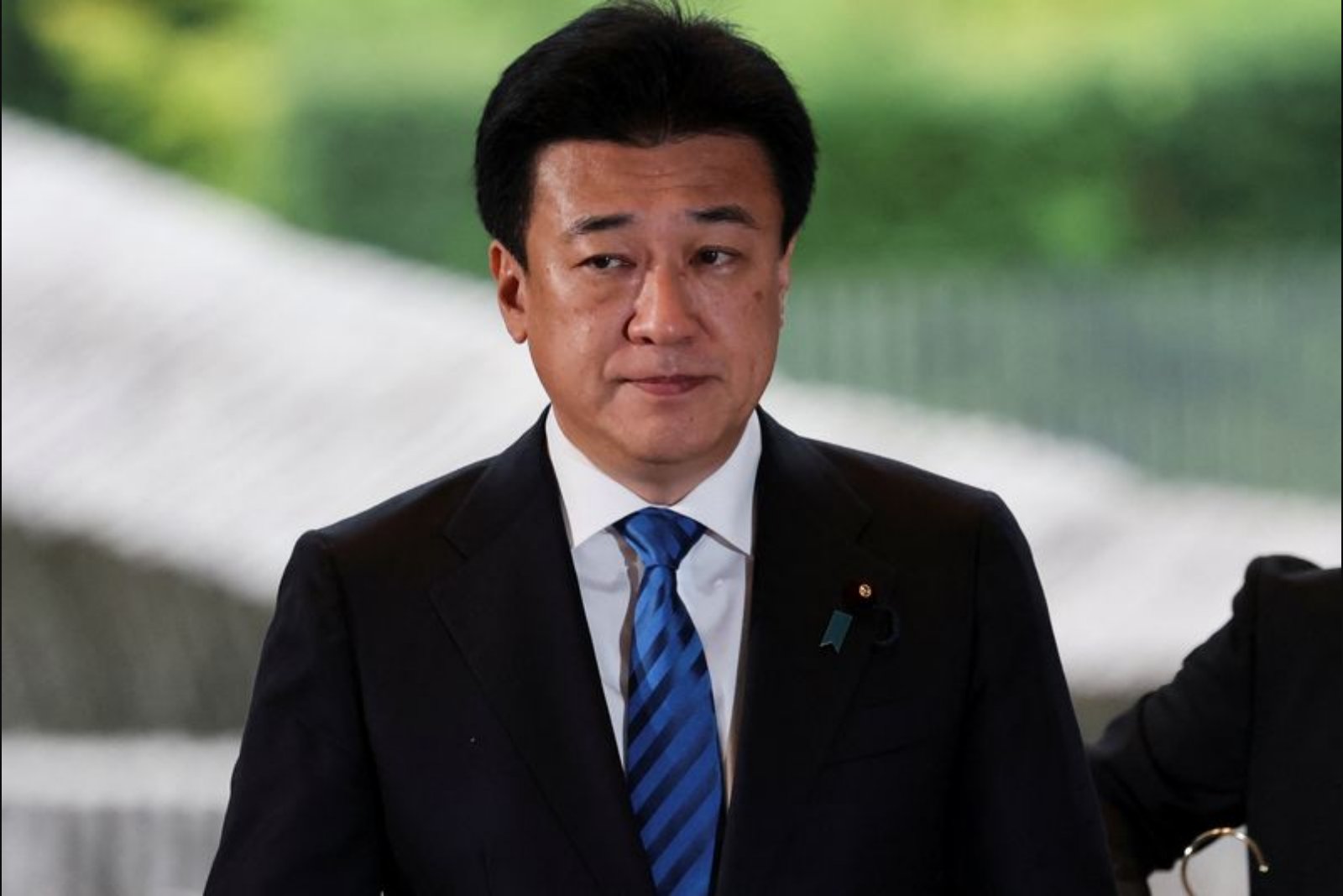
Speaking at a press briefing, Japanese Chief Cabinet Secretary Minoru Kihara pushed back on that characterization. "The government's position of judging an existential crisis situation with all the information it gathers is consistent with the past," he said. "The assessment that there has been a major shift is not accurate."
China, which regards Taiwan as its own territory, has reacted strongly to Takaichi's public comments. Chinese authorities urged their citizens not to travel to Japan and imposed restrictions that have choked off some exports to Japan. Those steps were described by Tokyo observers as a forceful diplomatic and economic response to the prime minister's statements.
Takaichi herself has repeatedly said her stance aligns with long-established Japanese policy. Tokyo's official line, as reiterated by Kihara, is that any judgment about an existential crisis will be reached using all relevant information the government can assemble - a process officials say is consistent with prior administrations.
The disagreement in framing between Japan and the U.S. intelligence community, and the swift reaction from Beijing, have underscored tensions surrounding public statements on Taiwan and the diplomatic fallout that can follow. Japan's public denial of a policy shift and China's retaliatory measures remain the central facts reported by officials and agencies.
Key points
- Japan maintains that its method for judging an existential crisis is unchanged and based on all available information - this assertion comes from Chief Cabinet Secretary Minoru Kihara.
- U.S. intelligence agencies, in an annual threat report released on Wednesday, assessed that Prime Minister Takaichi's remarks about a potential Japanese military response to a hypothetical Chinese attack on Taiwan departed from previous leaders' rhetoric.
- China has responded to Takaichi's comments by urging its citizens not to travel to Japan and by restricting some exports, actions with immediate implications for tourism and trade sectors.
Risks and uncertainties
- Differences in interpretation between Tokyo and U.S. intelligence could complicate allied communications and coordination on regional security - affecting defense policy discussions.
- Beijing's travel advisories and export restrictions introduce uncertainty for tourism, trade flows, and exporters dealing with cross-border supply chains.
- Ongoing diplomatic friction may create volatility in sectors exposed to Japan-China relations, including shipping and export-dependent industries, as government measures or private reactions evolve.