
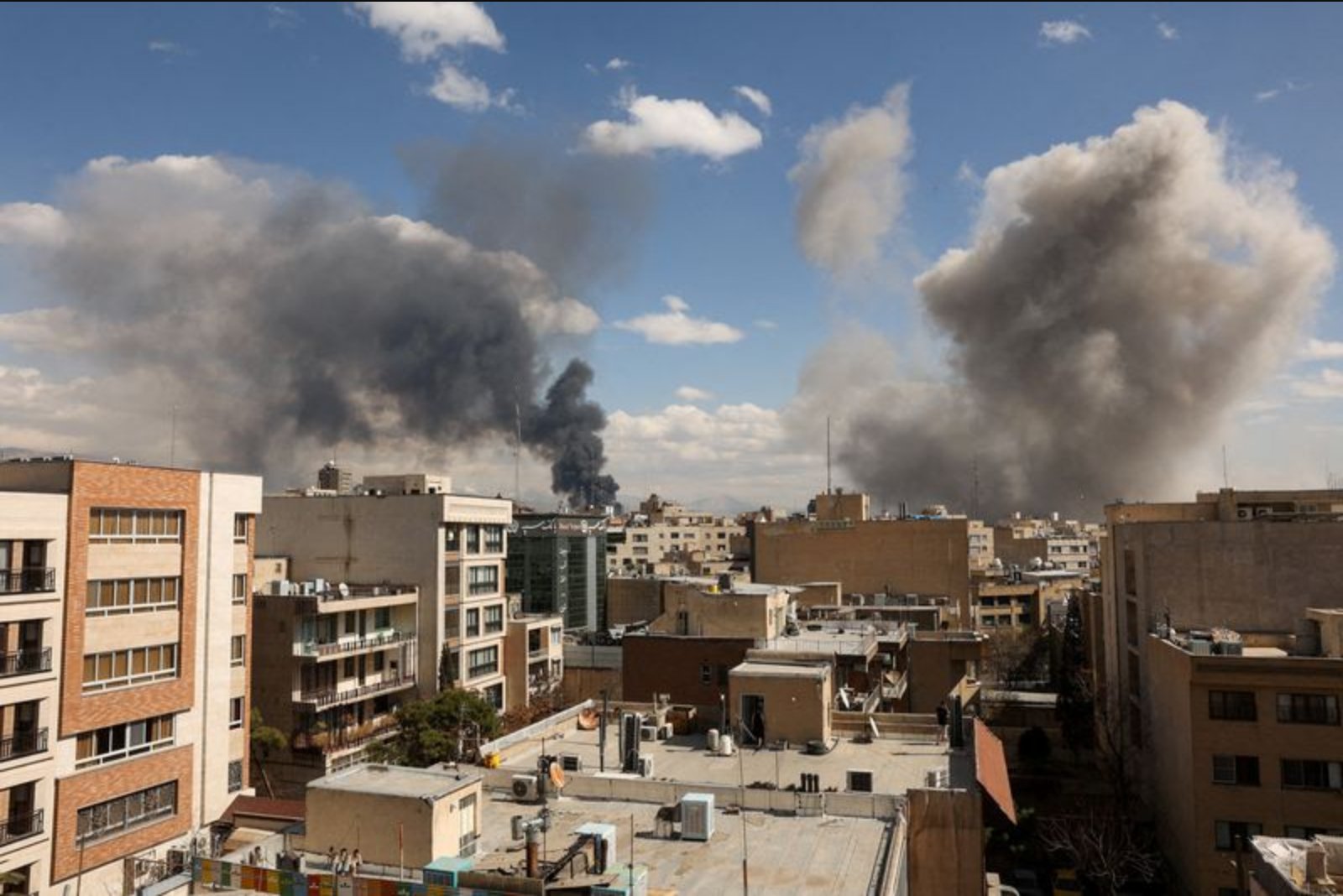
ROME, March 5 - Italy’s defence minister, Guido Crosetto, delivered a pointed rebuke of recent U.S.-Israeli strikes on Iran, declaring they were plainly outside the bounds of international law. Speaking to the lower house of parliament, Crosetto framed the attacks as an unanticipated action that has forced Italy and other nations to deal with the consequences.
"The decision to launch the strikes last weekend, of course fell outside, needless to say, the rules of international law," Crosetto said in his remarks. He emphasised that the strikes took place without prior notice to allies and partners, leaving governments, including Italy’s, to respond to a conflict they had not been forewarned about.
Crosetto characterised the events as "a war that was started without anyone in the world knowing," and said Italy, like other countries, now must manage the resulting situation. The minister is a member of Prime Minister Giorgia Meloni’s Brothers of Italy party. His comments represent the strongest critique to date from Italy’s right-wing administration, which has sought closer ties with U.S. President Donald Trump since he took office last year.
In outlining Italy’s practical response to the tensions, Crosetto said Rome will send air defence assistance to Gulf countries and deploy naval assets to Cyprus. These deployments are intended to help protect those states from Iranian strikes that have been launched in response to the U.S.-Israeli actions, he said.
The minister’s statements underline a diplomatic strain in which an allied action - carried out without advance consultation, according to Crosetto - has created obligations for partner states to provide defensive support and manage regional security implications. Italy’s announced contributions are specifically framed as defensive aid to mitigate further attacks.
Context and implications
- Italy’s criticism is notable given its government’s prior efforts to maintain close relations with the U.S. administration.
- Rome plans to supply air defence equipment to Gulf partners and position naval forces near Cyprus to help shield against Iranian retaliatory strikes.
- Crosetto emphasised the lack of prior warning to allies as a key grievance, saying governments worldwide were left to handle the aftermath.