
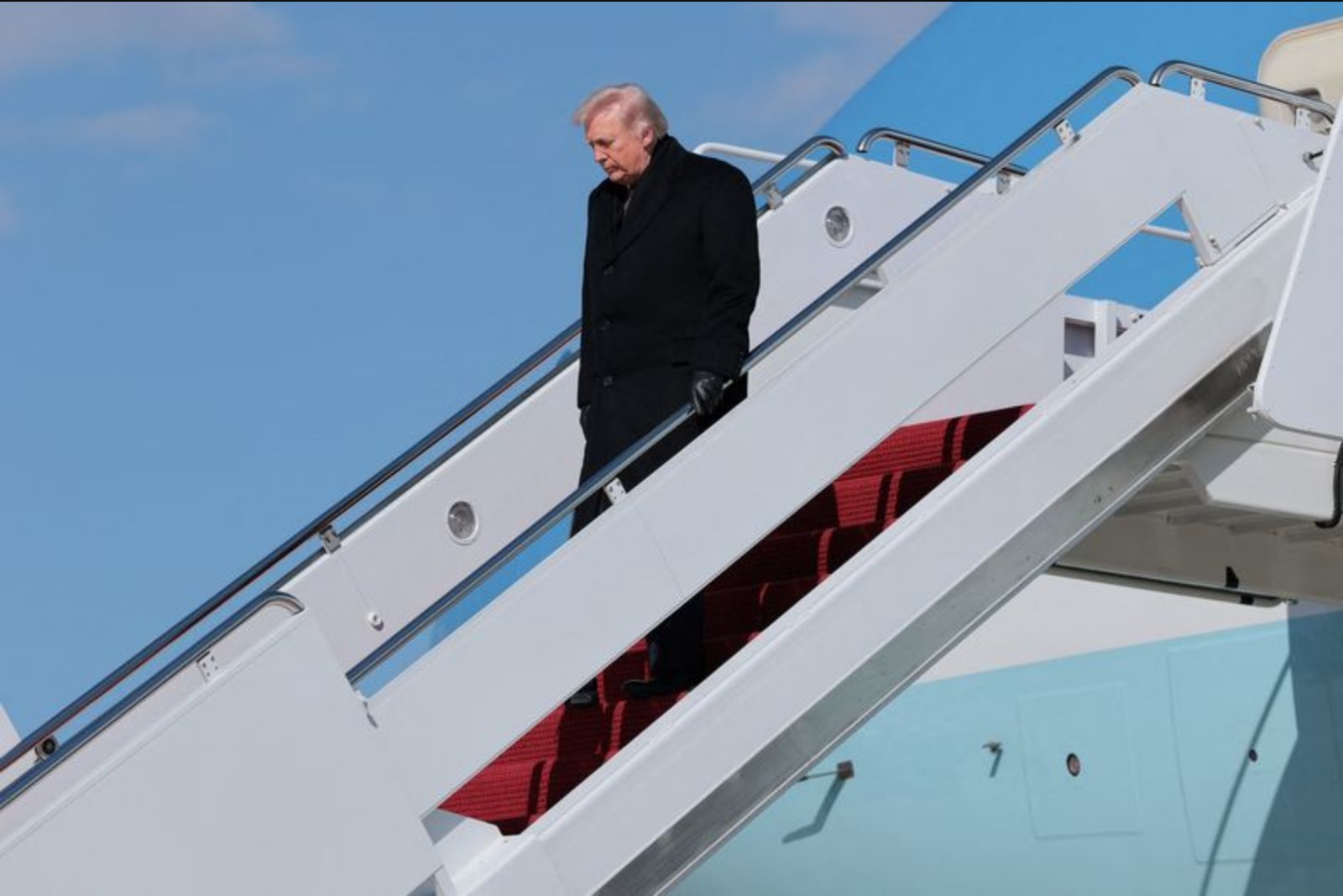
Three Israeli officials speaking on condition of anonymity said on Thursday that Israel's strike on Iran's South Pars gas field the previous day was carried out in coordination with the United States, but they added the attack was unlikely to be carried out again. The officials' comments came even as U.S. President Donald Trump posted Wednesday night that Washington "knew nothing about this particular attack" and that Israel would not strike the gas field again unless Iran renewed attacks on Qatar.
The South Pars operation triggered a series of Iranian aerial assaults on energy infrastructure in Qatar and other parts of the Middle East, representing what the officials described as the biggest escalation in the nearly three-week U.S.-Israeli war on Iran. Israel has not publicly accepted responsibility for the South Pars strike.
The three Israeli sources said they were not surprised by President Trump's public statement. They compared the current situation to the aftermath of earlier Israeli strikes on fuel depots in Iran several weeks ago, when public comments by U.S. officials similarly distanced Washington from the operations. In that earlier episode, Pentagon Chief Pete Hegseth said that "in that particular case those weren’t our strikes." The officials said the dynamic - where U.S. public statements differ from private coordination - reflected that earlier pattern.
Following the South Pars attack, Iranian retaliatory actions have caused extensive damage to the world's largest gas plant in Qatar, struck a refinery in Saudi Arabia and led the United Arab Emirates to shut gas facilities. Those incidents have focused attention on the vulnerability of regional energy infrastructure amid the recent escalation.
The Israeli officials stressed that, despite the coordination they described, the South Pars operation would likely remain a singular event unless further attacks prompted additional responses. Public confirmation of Israel's role has not been issued, and the differing public statements from Washington and anonymous Israeli sources underscore the limited public alignment on details of the operation.
Summary: Anonymous Israeli officials said the South Pars gas field strike was coordinated with the United States but will likely not be repeated. President Trump publicly said Washington "knew nothing about this particular attack." Iranian reprisals have damaged energy facilities in Qatar, Saudi Arabia and the UAE, marking a major escalation in the near three-week conflict.
Key Points:
- Israeli officials reported U.S. coordination for the South Pars strike while signaling the attack probably will not be repeated - sectors affected: energy, defense.
- President Trump stated publicly that Washington had no knowledge of the specific strike and cautioned Israel would not strike further unless Iran attacked Qatar again - sectors affected: diplomacy, defense.
- Retaliatory Iranian aerial attacks have inflicted extensive damage on major energy sites in Qatar, Saudi Arabia and the UAE - sectors affected: oil and gas, energy infrastructure.
Risks and Uncertainties:
- Possible further escalation if additional strikes or counterstrikes occur - markets and sectors impacted: energy markets, regional security.
- Damage to critical energy infrastructure could disrupt production and operations in the region - sectors impacted: oil and gas, utilities.
- Differences between public statements by U.S. officials and anonymous Israeli sources create uncertainty about official posture and future coordination - sectors impacted: defense, diplomatic relations.