
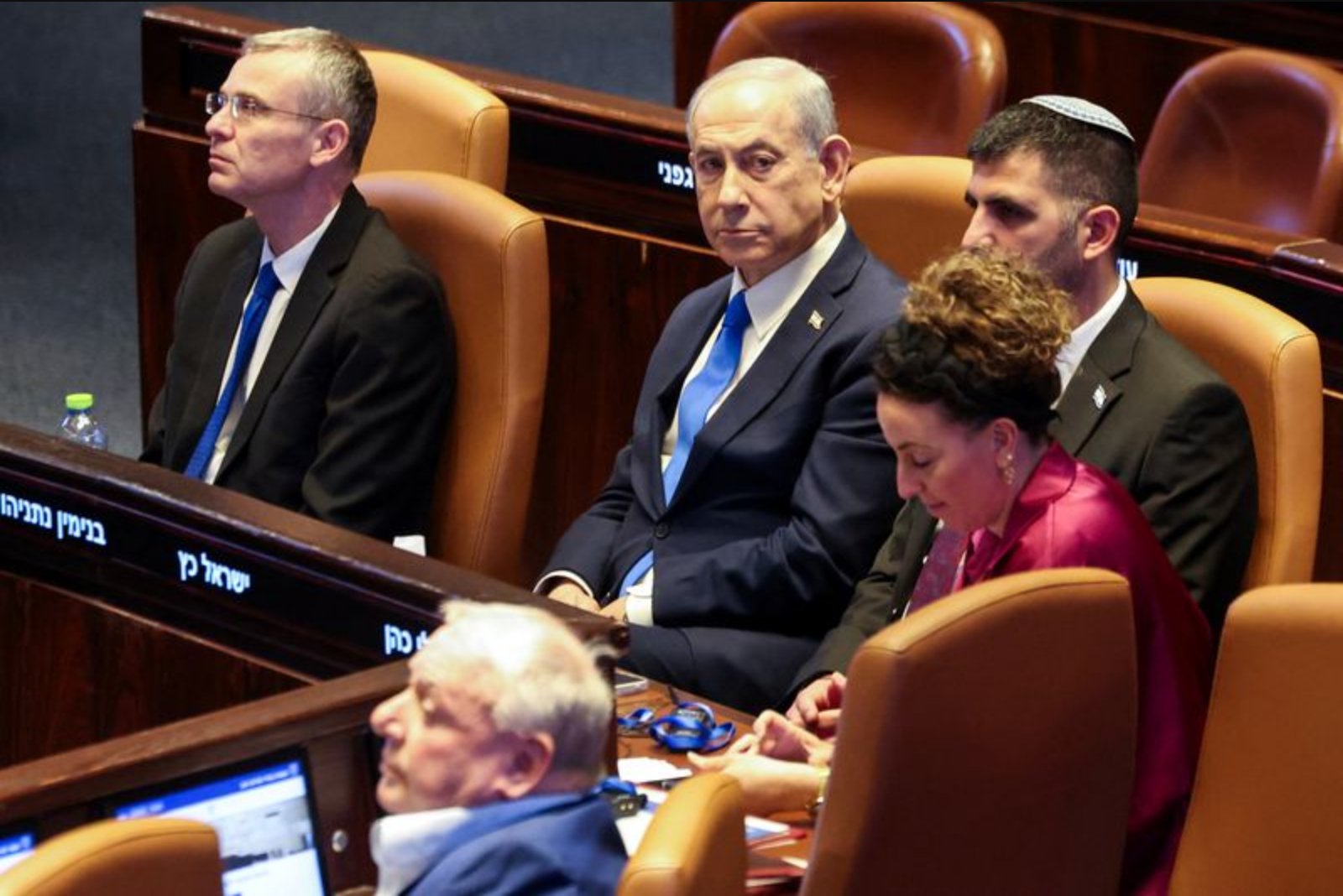
Israel’s parliament is expected to hold a vote on a bill to dissolve the Knesset, a move that could advance the date of the next national election by several weeks. The vote is scheduled for Wednesday, with the precise timing of any new ballot to be set if the dissolution measure succeeds.
When would a vote happen?
An exact election date has not yet been fixed. By law, Israel holds national elections on a four-year cycle, but early elections have been frequent in practice. The previous election took place in November 2022, and the next full-term ballot must be held by October 27 at the latest. If the Knesset agrees to dissolve itself, members of parliament will need to select a new election date. Political commentators have suggested a likely window in the first half of September, although a date closer to the late-October deadline remains possible.
Why is the Knesset moving to disband?
The immediate trigger for the dissolution vote was the announcement by an ultra-Orthodox Jewish faction - historically a close ally of Prime Minister Benjamin Netanyahu - that it no longer views him as a governing partner and will press for early elections. The faction’s leaders said this step was driven by the government’s failure to enact a coalition commitment to pass a law that would exempt members of their community from compulsory service in Israel’s conscript military.
At the same time, opposition parties have been pursuing efforts to remove Netanyahu’s government. A prior attempt to topple the administration in June of last year failed. Even if a successful dissolution merely advances the election by a few weeks, it could supply momentum to opposition campaigns and constrain the current coalition’s ability to advance contentious legislation in the interim. In a move to shape the process, the governing coalition submitted its own dissolution bill on May 13.
What is the procedure if the bill passes?
Should the Knesset approve the initial motion to dissolve itself, the bill will be referred to a parliamentary committee where the election date is to be determined. After that committee stage, the legislation returns to the full house for further votes. The final passage requires three votes overall, with the last of those needing the support of 61 of the 120 Knesset members. The timeline for this sequence can vary - it could be completed rapidly, or extend over several weeks.
Where do the polls stand?
Pundits and pollsters have recorded a sustained decline in confidence in Netanyahu’s governing coalition since the Hamas surprise attack on October 7, 2023, which notably dented the prime minister’s security credentials. Surveys show the coalition consistently falling well short of a majority in the Knesset. There remains the possibility that opposition parties may not be able to form a viable coalition even after elections, in which case Netanyahu could continue as the head of an interim government until a political impasse is resolved. Israel has experienced periods of prolonged political deadlock before; prior to the 2022 election the country held a series of inconclusive ballots, with five national votes in under four years.
Who are the main challengers?
Netanyahu’s principal challenger in current contests is Naftali Bennett, a former aide who previously defeated Netanyahu in the 2021 election and served as prime minister. Bennett has allied with centre-left opposition leader Yair Lapid to form a joint party called 'Together', which polling shows tied with Netanyahu’s Likud in many measures. Another contender increasing in support is Gadi Eizenkot, a former military chief and centrist cabinet minister.
The leading opposition figures are running on comparable platforms aimed at winning over swing voters disillusioned with Netanyahu. Their messaging emphasizes repairing divisions and restoring normalcy after the shock of October 7 and subsequent conflicts that have affected Israel’s economy and international standing. The campaign rhetoric therefore centers on unity and recovery as core themes.
Other considerations that could shape the vote
Netanyahu faces a long-running corruption trial and a reported effort by Israel’s President Isaac Herzog to negotiate a plea agreement that could potentially see the 76-year-old prime minister step away from politics as part of a settlement. That type of deal has been discussed since the trial began six years ago, but whether Netanyahu would accept such terms is unclear.
Health issues have also been disclosed by Netanyahu: he recently stated he was successfully treated for prostate cancer and that he had a pacemaker fitted in 2023. In addition, Israel remains engaged in hostilities - with Hamas in Gaza, Hezbollah in Lebanon and tensions involving Iran - fronts that are described as volatile and that could influence electoral dynamics.
Bottom line
The Knesset vote to consider self-dissolution is a procedural step with tangible political consequences. It was prompted by the withdrawal of an ultra-Orthodox ally over a broken coalition pledge and resonates with long-standing opposition efforts to unseat the government. If enacted, the dissolution process will set a new election timetable and could alter the balance of campaigning and legislative activity in the weeks ahead. Polls indicate the governing coalition is vulnerable, but the ultimate outcome will depend on whether opposition forces can translate polling into a governing majority.