
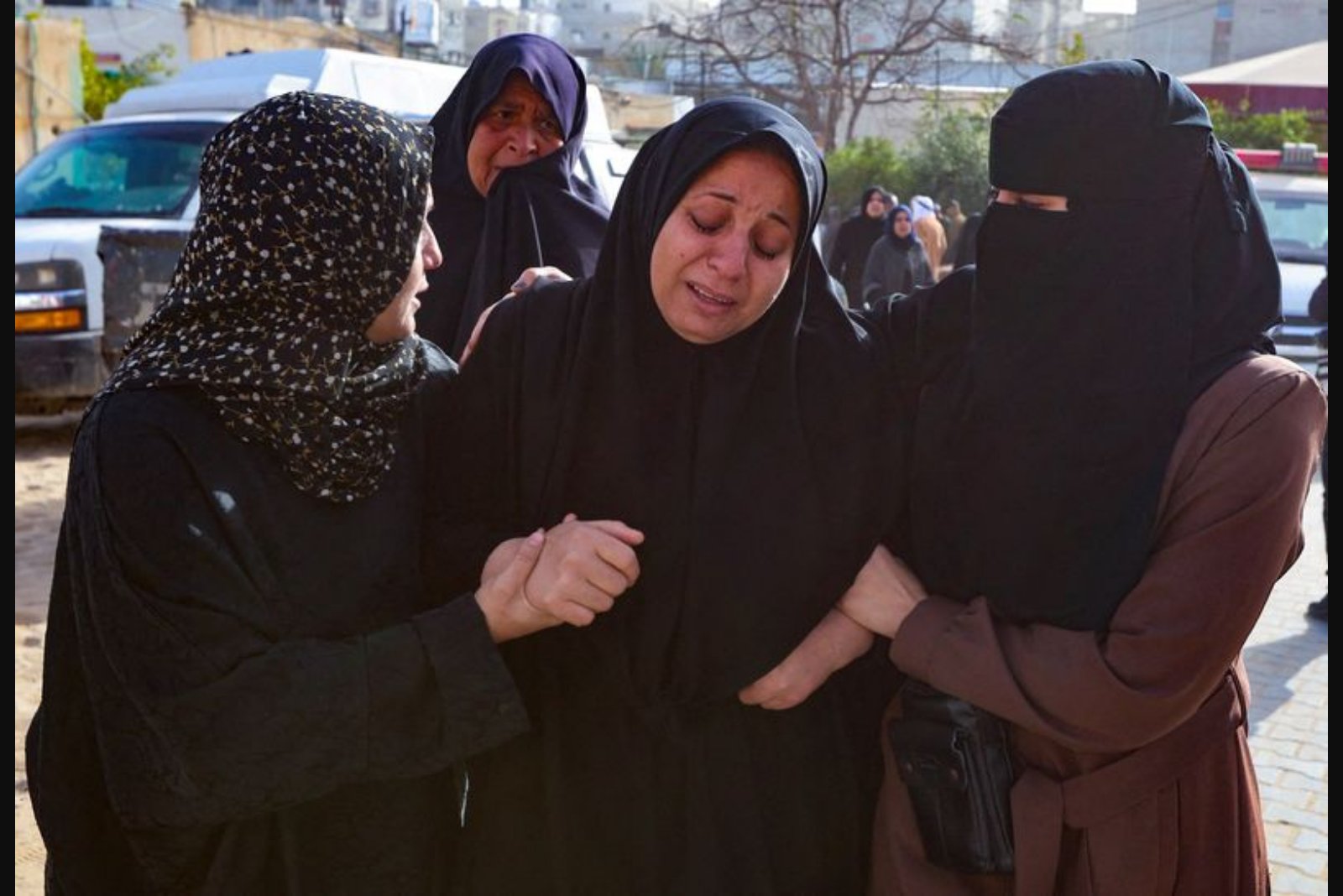
At least nine Palestinians were killed by Israeli airstrikes on Sunday in locations across the Gaza Strip, Palestinian civil defence and health officials reported, as Israel described the operations as a direct response to what it called breaches of a ceasefire agreement.
Medics said one attack struck a tent encampment where families displaced by the conflict were sheltering, killing at least four people. Health officials separately reported that another strike in Khan Younis, in southern Gaza, killed five people. The combined toll brought the number of Palestinians killed in the strikes that day to at least nine.
An Israeli military official said the strikes were triggered by what it characterized as a clear violation of the ceasefire agreement the previous day in the Beit Hanoun area. The official said that "terrorists emerged from a tunnel east of the yellow line" and that the Israel Defense Forces (IDF) had begun striking in response to that breach. The official described the operations as "precise" and said they were consistent with international law.
According to the Israeli official, Hamas had committed more than six violations of the October ceasefire. One cited example was militants operating east of the so-called "Yellow Line," the demarcation established under the ceasefire to separate areas controlled by Israel and by Hamas. The official said that armed individuals crossing the Yellow Line in proximity to IDF troops constituted an explicit ceasefire violation and demonstrated a deliberate pattern of breaches aimed at harming Israeli forces.
The IDF said it continued work to destroy underground tunnels in the northern Gaza Strip, in line with the terms of the agreement. The military reported having observed several gunmen emerging from what it said was a tunnel and moving beneath the rubble of a building east of the Yellow Line. Air Force aircraft struck that building, the military said, eliminating two gunmen and likely killing additional militants in the strike.
Gaza's health ministry provided a wider tally for the period since the ceasefire took effect, saying that at least 600 Palestinians have been killed by Israeli fire since the Gaza deal began. Israel said that four of its soldiers were killed by militants in Gaza over the same timeframe.
Both sides have repeatedly accused the other of breaching the ceasefire, which remains a central element of the wider plan to bring an end to active hostilities. The incidents reported on Sunday underscore the fragile nature of the agreement and the continuing risks posed by tunnel activity, armed movements near the ceasefire demarcation and air operations in densely populated areas.
Context limitations: The official statements and casualty figures above reflect the figures and claims released by Palestinian health and civil defence authorities and by the Israeli military. Where sources differ, both positions are reported without adjudication.