
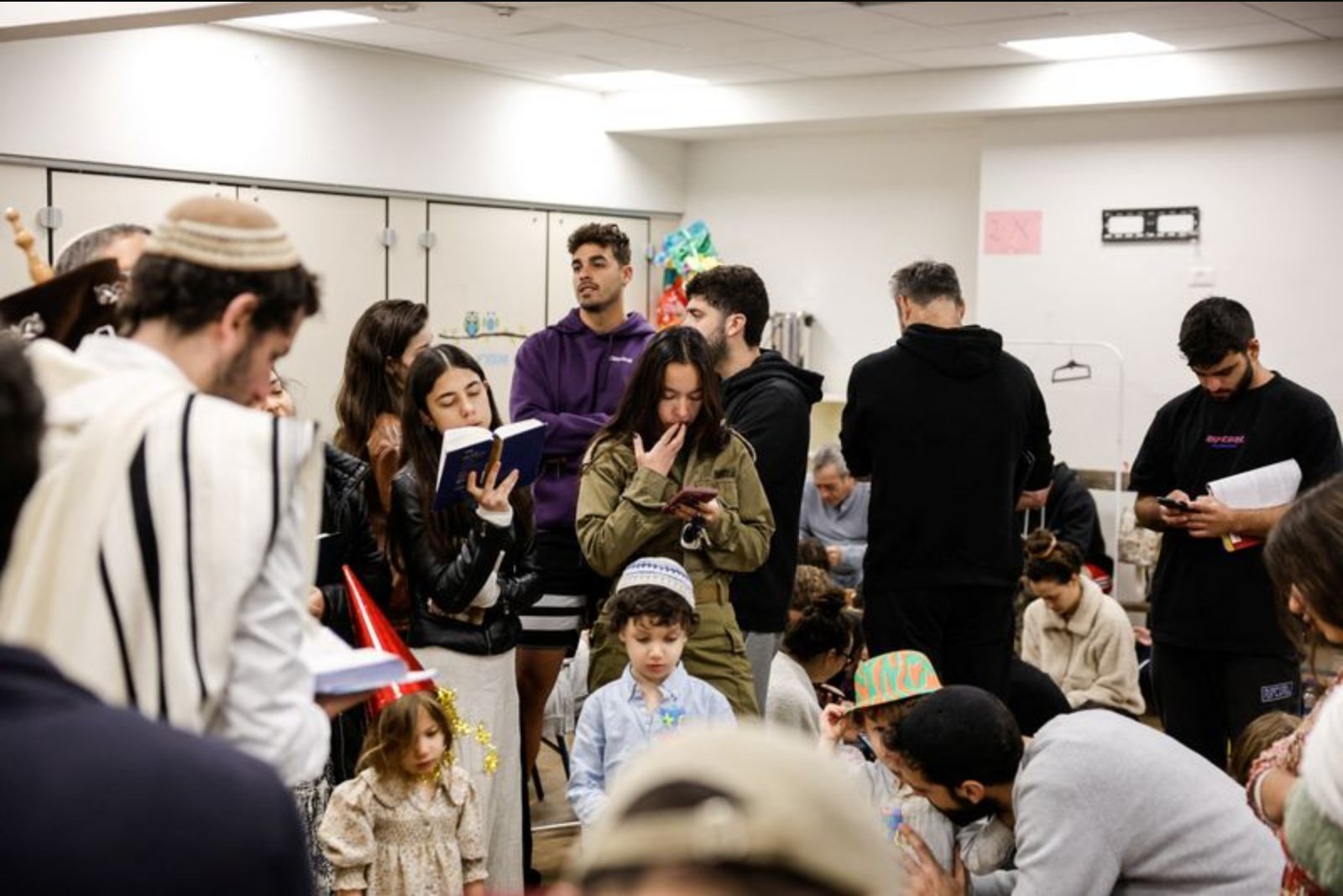
Israeli authorities on Saturday implemented broad emergency measures after Iran launched missiles toward the country in retaliation for a joint U.S.-Israeli strike on Iran. The government banned public gatherings, closed schools and workplaces, ordered hospital patients into underground shelters and declared a nationwide state of emergency, as officials warned of further missile and drone activity.
Defence Minister Israel Katz announced the state of emergency and cautioned citizens about potential Iranian missile and drone attacks. The Israeli military urged the public to follow emergency guidance and said tens of thousands of reservists were being called up to bolster forces, including deployments to reinforce land borders.
Police advised against non-essential travel to allow security and emergency services unimpeded movement. Israel also closed its airspace to civilian flights, while land border crossings with Egypt and Jordan remained open, according to a spokesperson for the airport authority.
Despite the heightened alert, some residents of Tel Aviv went to the beach on Saturday before the initial Iranian response, saying they felt secure under Israel's sophisticated air defence system and expressing support for the operation against Iran. On the Mediterranean promenade, Shira Dorany said, "It’s about time. I don’t want to wait anymore for what’s coming. Now, it’s coming. Let’s finish it." Another beachgoer, Maayan Eliasi, 43, said Israeli strikes on Iran were necessary "to establish that we are strong." Eliasi added, "We are not scared, and we are here to protect our land."
There were few reports of damage or injuries from Iran’s initial missile barrages. Israelis generally have access to bomb shelters and are notified by a nationwide alert system instructing them to seek protected areas when necessary. In Jerusalem, the sound of explosions from missile interceptions prompted residents to rush to buy food and withdraw cash.
Hospitals moved to contingency configurations in anticipation of strikes. At the Sheba Medical Center near Tel Aviv, medical staff were relocating wards and services into protected areas underground. "(Sheba) switched to advanced preparedness mode in preparation for the strike in Iran. We are in the process of moving all our departments and services into protected areas," said Itai Pessach, the medical center’s director general.
The U.S. Embassy in Jerusalem advised government personnel to shelter in place after issuing a prior advisory on Friday that staff who wished could depart the country. The embassy's guidance came as Israeli authorities enacted measures to protect civilians and critical infrastructure.
Last year, Israel and Iran engaged in a 12-day aerial conflict that followed a surprise attack on Iran by Israel in June that the United States later joined. That confrontation resulted in more than 30 deaths in Israel and over 900 deaths in Iran. During that earlier war, Tel Aviv and parts of southern Israel, where some military bases are located, were struck multiple times.
The current situation remains fluid. Authorities have mobilised security forces and taken steps to minimise civilian exposure to incoming threats while keeping key land crossings open.
Summary
Iran launched missiles at Israel in retaliation for a joint U.S.-Israeli attack on Iran. Israel declared a state of emergency, banned public gatherings, closed schools and workplaces, moved hospital wards underground, called up tens of thousands of reservists and closed civilian airspace, while land borders with Egypt and Jordan remained open.
Key points
- National security and defence: Tens of thousands of reservists were called up and land borders reinforced, reflecting immediate pressure on defence resources - sectors impacted include defence and logistics.
- Transportation and aviation: Israel closed civilian airspace though land borders stayed open, affecting aviation and cross-border trade and travel - sectors impacted include aviation and transport.
- Healthcare and emergency services: Hospitals moved wards into protected underground areas and emergency services were prioritised, affecting healthcare operations and hospital supply chains - sectors impacted include healthcare and emergency management.
Risks and uncertainties
- Escalation risk: Continued missile and drone attacks present the risk of further military engagement and greater strain on defence resources - relevant to defence and insurance sectors.
- Civil disruption: Closure of schools, workplaces and bans on gatherings could disrupt economic activity and labour supply in affected areas - relevant to commerce, education and labour markets.
- Transport interruptions: Airspace closure and advisories against non-essential travel may interrupt passenger and cargo movement, affecting aviation and logistics sectors.