
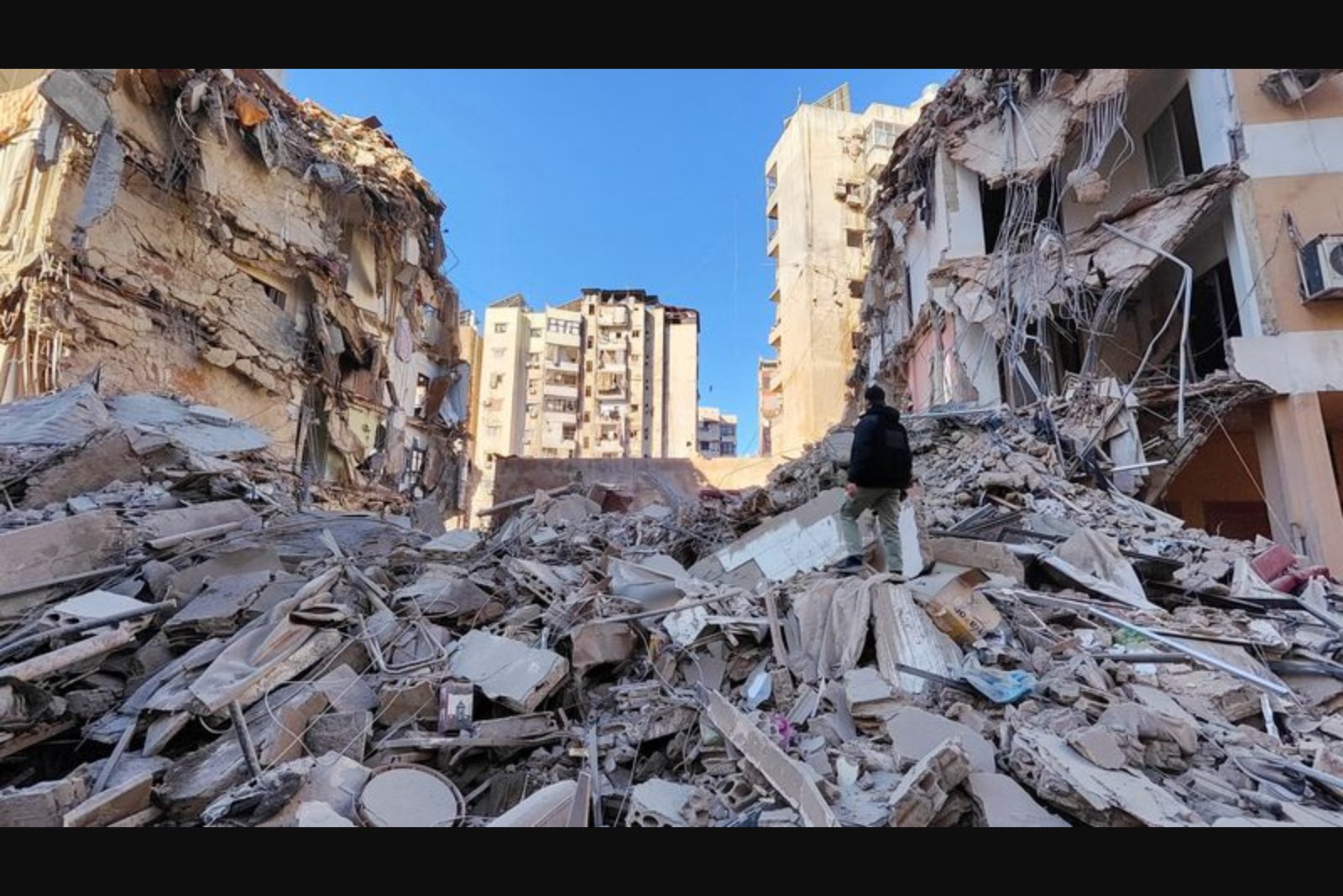
BEIRUT, March 5 - Residents of Beirut's southern suburbs were told on Thursday to abandon parts of the capital, after an Israeli military spokesperson issued a public evacuation order that triggered widespread flight and panic.
In a post on the social platform X, Israeli military spokesperson Avichay Adraee instructed inhabitants of the Hezbollah-controlled southern districts to relocate east and north. The post included a map highlighting four extensive neighborhoods that the military said people should leave; part of the identified area is next to Beirut's airport. "Save your lives, evacuate your homes immediately," Adraee wrote, and he warned that any movement southwards "may endanger their lives."
Television footage showed roads leading out of the southern suburbs congested with vehicles and pedestrians as people tried to escape. Gunfire was audible in the neighborhoods as warnings to residents were issued, and many fled on foot when traffic became impassable.
The evacuation order came amid a broader escalation that drew Lebanon into open conflict earlier this week. According to the timeline of events reported by officials, Hezbollah opened fire on Monday, and Israel responded with intensified airstrikes focused on Beirut's southern suburbs as well as on southern and eastern areas of Lebanon.
On Wednesday, the Israeli military issued an evacuation directive affecting a portion of southern Lebanon equating to roughly 8% of the country's territory. The combined effect of bombardment and repeated warnings has already compelled tens of thousands of Lebanese to leave their homes in the capital's southern suburbs and in the south of the country during the week.
The Lebanese health ministry has reported 77 people killed as a result of the fighting. There have been no reports of fatalities inside Israel attributed to Hezbollah attacks.
Beirut's southern suburbs, predominantly Shi'ite Muslim and among the city's most densely populated areas, have been targeted by Israeli airstrikes in recent conflicts. The neighborhoods were struck during fighting with Hezbollah in 2024 and during an earlier conflict in 2006.
Contextual note: Reporting on the ground described heavy traffic and active displacement, and official statements from the Israeli military made clear the direction of movement it was ordering. Medical authorities in Lebanon provided casualty figures; Israeli officials reported no deaths on their side linked to the cross-border attacks.