
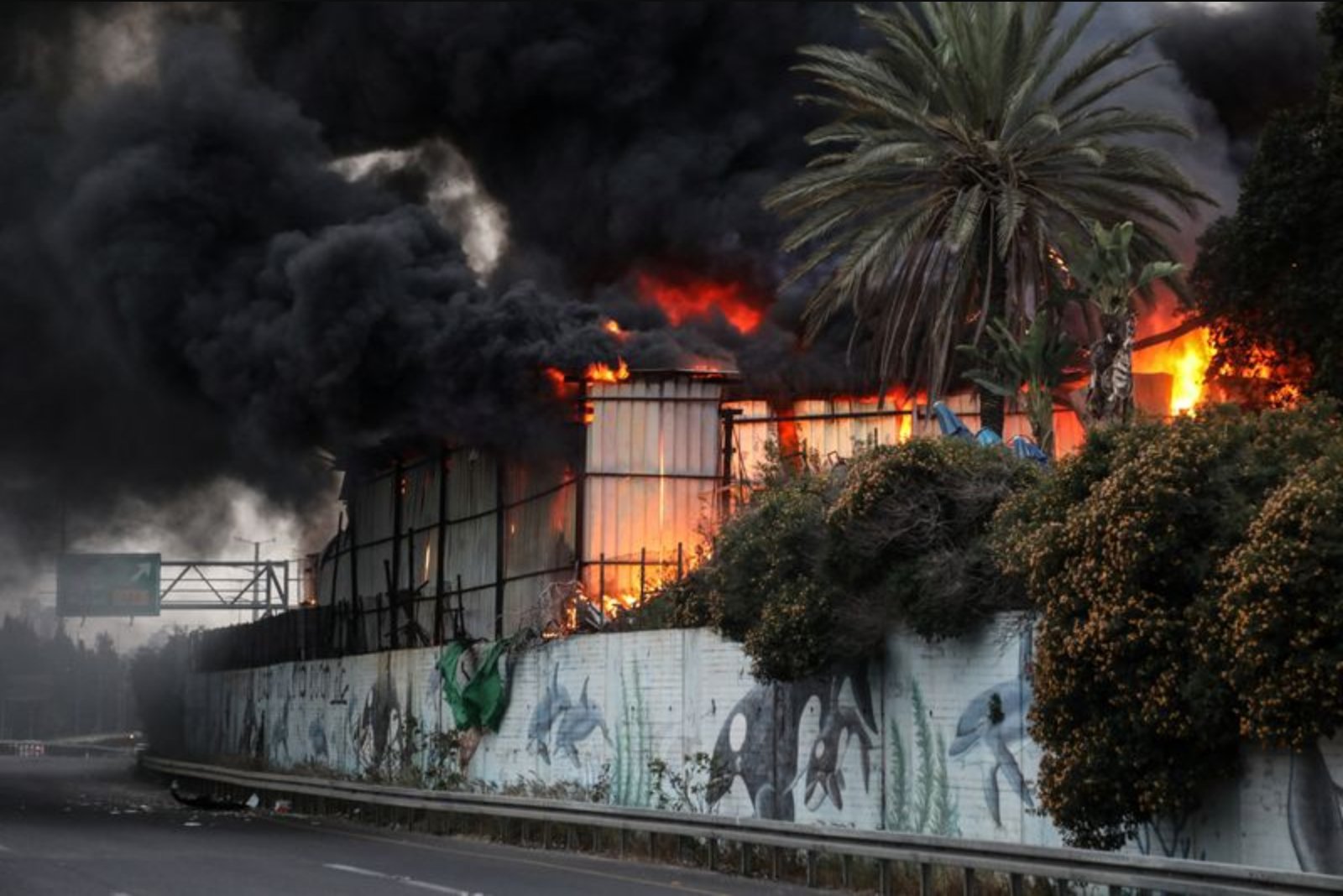
Israel has moved into an intensified stage of its campaign against Iran, concentrating attacks on checkpoints occupied by personnel of the Islamic Revolutionary Guard Corps - commonly known as the IRGC - based on tip-offs supplied by operatives inside Iran, a person briefed on Israel's military planning told Reuters.
Their focus on checkpoints held by IRGC forces signals a stepped-up effort to erode the capabilities of Iran's elite units while Israel conducts joint aerial operations with the United States, the source said. Israel has publicly stated its war aims include dismantling Iran's military and nuclear capabilities and, as part of broader goals, "creating the conditions" that could allow Iranians to topple their government - though Prime Minister Benjamin Netanyahu has cautioned that such an outcome is far from assured.
So far, there has been no clear sign of organised domestic dissent in Iran even as the country faces attacks, and no indication that its leadership is yielding power.
On Thursday, the Israeli military reported strikes on checkpoints in Tehran operated by the Basij, a part-time militia under IRGC control that is frequently mobilised to suppress protests inside Iran. The anonymous source who spoke to Reuters said informants in Tehran provided intelligence that led to strikes on three checkpoints over the past three days. That source could not confirm whether the three sites they described were the same Basij positions referenced by the military.
The practice of relying on informants to pinpoint checkpoint locations in Tehran was first reported by the Wall Street Journal, according to the source material. The Israeli military did not immediately reply to a request for comment on the informant-driven targeting.
Context and operational notes
- The recent targeting indicates a tactical shift toward degrading IRGC field positions in urban areas.
- Reported strikes included Basij-controlled checkpoints in Tehran, highlighting the choice of paramilitary targets.
- Intelligence reportedly came from sources on the ground, though attribution of specific struck sites to those tips remains unconfirmed.
Reporting limitations
The anonymous source provided details on the use of informants and the number of checkpoint strikes, but they were unable to verify whether the specific Basij positions identified by Israeli military statements matched those locations. Aside from the military's announcement and the source briefing, there has been no publicly available confirmation linking each reported strike to named informant tips.