
Dateline: Eilon, Israel - March 18
Israel has increased its troop concentration along the border with Lebanon to more than twice the level deployed at the start of the month, and soldiers are conducting searches of homes in southern Lebanese communities that the military instructed to evacuate, a senior Israeli commander said on Wednesday.
In the wake of intensified Israeli air operations on Beirut aimed at Hezbollah, thick plumes of smoke were visible rising from villages in southern Lebanon while Israeli artillery fired across the frontier. The escalation is part of what has become the deadliest spillover of the U.S.-Israeli campaign against Iran, the commander said.
Hundreds of thousands of Lebanese residents have left the south following Israeli orders to clear the area south of the Litani River - terrain that Israel regards as a Hezbollah stronghold. Hezbollah entered the conflict on March 2 in support of Iran and has since launched rockets at Israeli territory.
"The plan is to make sure that Hezbollah does not have military infrastructure," the commander, whose name was withheld by the Israeli military on security grounds, told reporters in the border town of Eilon, roughly four kilometres from Lebanon.
Responsible for infantry operations in Lebanon, he declined to provide a current headcount of troops deployed in the area. He described the forces' positions inside Lebanon as "defensive positions" and said searches were focused on "the villages to see if Hezbollah hid weapons or communications centres."
When asked whether those searches included houses abandoned by residents after evacuation orders, the commander said: "In some of the cases they hid their weapons in houses. We have no choice but to make sure that house is not a military installation."
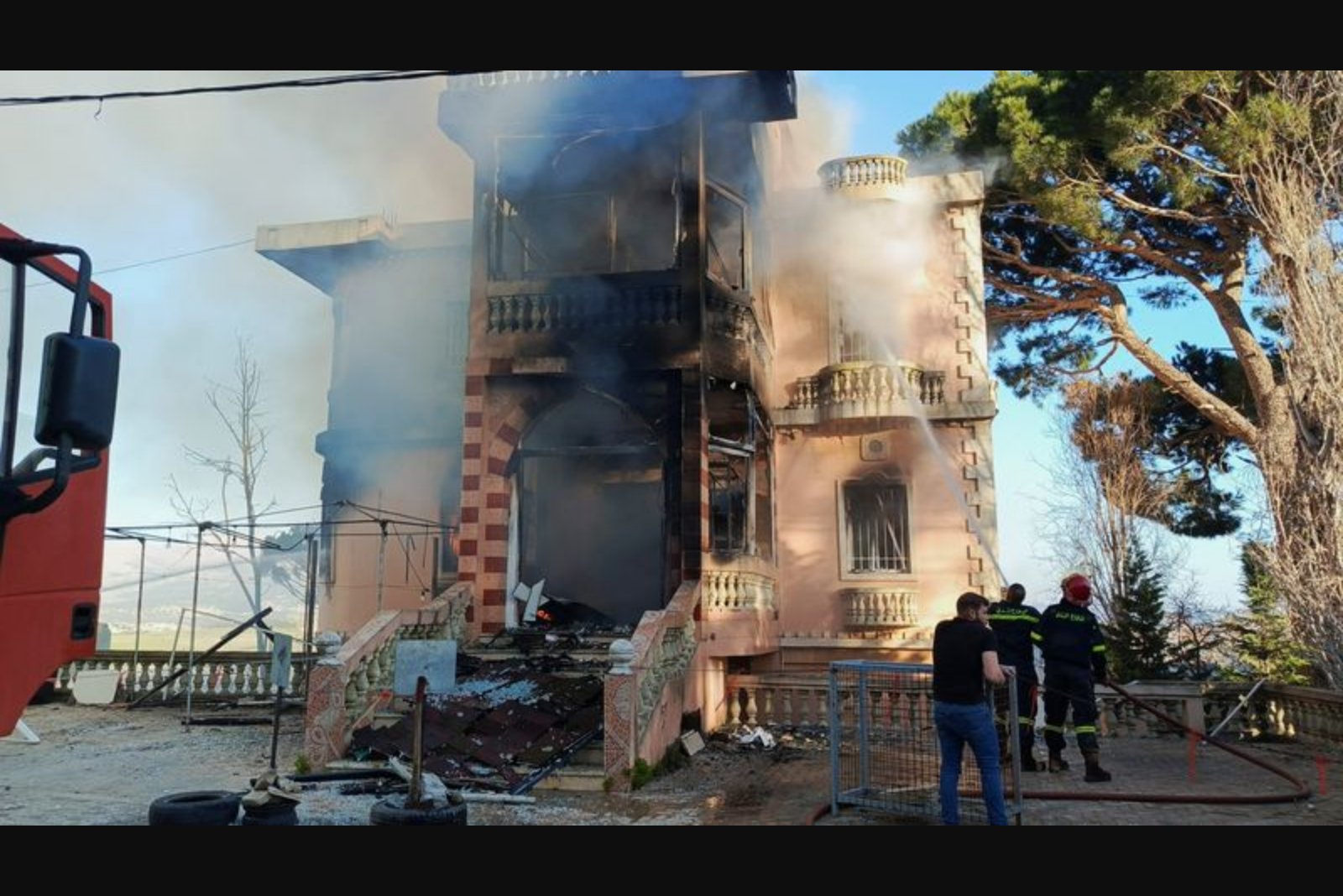
Hezbollah has publicly denied using civilian infrastructure to store weapons and accuses Israel of destroying homes to stop displaced residents from returning - an allegation Israel denies. The military campaign has left many villages in southern Lebanon severely damaged or completely destroyed.
The Israeli military reported two soldiers killed since the start of operations in southern Lebanon. Lebanese authorities say at least 968 people have been killed in Lebanon since the strikes began. Hezbollah does not provide regular updates on its losses; a Hezbollah official told Reuters on Monday that at least 46 fighters had been killed so far.
Several sources tracking events on the ground say the Israeli military is advancing cautiously through southern Lebanon. A Lebanese security source and a foreign official monitoring developments both described the town of Khiyam as an initial target to be cleared fully before any push toward the Litani River.
Asked whether Israeli forces intended to establish positions as far north as the Litani, the commander said that was not his decision to make. He added that if orders were issued, troops were "prepared to do all kind of operations."
The military did not immediately comment on operations in Khiyam, which lies about five kilometres inside Lebanon from the Israeli town of Metula. Along the border near Metula, Israeli fortifications dug into the hillsides were observed, containing lines of tanks, armoured personnel carriers and bulldozers.
Smoke continued to billow from Khiyam throughout Wednesday. Large portions of the town's southern side had been reduced to rubble. A neighbouring town still bears the ruins of attacks carried out in 2024.
Israel's northern border region, called the Upper Galilee, features rolling hills that provide vantage points into southern Lebanese settlements that are now both occupied and struck by Israeli forces. Near Metula, Apache helicopters and fighter jets conducted near-constant sorties on Tuesday and Wednesday, while rocket fire from Lebanon and the booms of Israeli artillery punctuated the skies.
Residents in Israel's far north report that the current campaign with Hezbollah has produced less rocket fire than during a year of fighting that ended in 2024. Israeli officials say that Hezbollah's missile-launching capacity has been largely degraded, though the group retains the capability to strike targets deep inside Israel.
Ofer Moskovitz, 60, who works on an avocado farm in the immediate border area, described the hazard of living so close to the frontier, saying proximity leaves little time to reach shelters when sirens warn of incoming fire. Near his property, the military excavated a muddy fortification from which troops fired artillery across the border.
"Every five minutes you can hear the bombs," Moskovitz said.
The situation along the border remains fluid. The military has increased its footprint, conducted searches in evacuated villages, and struck targets in Beirut while exchanges of fire and artillery continue across the frontier. Displacement on a large scale and widespread damage to southern Lebanese towns are among the immediate humanitarian effects, while operational questions about future objectives - including whether forces will push to the Litani River - remain conditioned on orders from higher command.
Summary: Israeli forces have more than doubled troop levels along the Lebanese border since March 1 and are conducting searches in evacuated southern Lebanese villages to locate alleged Hezbollah military infrastructure. Air strikes on Beirut and cross-border artillery have produced extensive smoke and damage, prompting mass displacement south of the Litani River. The military characterises positions inside Lebanon as defensive and says house searches target concealed weapons and communications facilities. Casualty figures include two Israeli soldiers killed and at least 968 fatalities in Lebanon, with Hezbollah reporting at least 46 fighter deaths.
Key points:
- Troop surge and searches - Israel has more than doubled troops along the Lebanon border since March 1 and is searching evacuated villages for weapons or communications centres; military declined to specify current troop numbers.
- Displacement and destruction - Hundreds of thousands have fled areas south of the Litani River, and many southern Lebanese villages have been heavily damaged or destroyed.
- Military exchange and casualties - Air strikes on Beirut, artillery exchanges, and rocket fire continue; at least 968 people have been killed in Lebanon and two Israeli soldiers have died since operations began.
Risks and uncertainties:
- Escalation potential - The possibility of further military orders to advance toward the Litani River creates operational uncertainty for border and defence sectors.
- Humanitarian and reconstruction needs - Widespread displacement and damaged villages pose risks for infrastructure, housing, and humanitarian aid sectors.
- Continuing combat capability - Despite damage to missile-launching capacity, Hezbollah retains the ability to strike deep inside Israel, maintaining security and defence sector uncertainty.