
Israeli and Lebanese authorities are preparing for talks in the coming days that aim to produce a durable ceasefire and conditions that would see Hezbollah disarmed, two Israeli officials said on Sunday. Despite the reported intent to meet, both the schedule for those discussions and the specific terms under consideration have not been agreed.
Beirut is currently forming a delegation to participate in the proposed talks, but no formal date has been set, according to Lebanese sources. Three Lebanese officials told reporters on Saturday that Lebanon needs clarity on whether Israel will adhere to a first demand from President Joseph Aoun - a full ceasefire to enable negotiations to proceed.
The possibility of imminent talks was reported by an Israeli newspaper on Saturday, while a Lebanese official said on Sunday that no official notification from Israel had been received by Beirut regarding the discussions.
Israeli officials identified Ron Dermer, a long-time confidante of Prime Minister Benjamin Netanyahu, as the person leading Israel's engagement on the initiative. The officials said France is participating in the effort.
Israeli Army Radio reported on Sunday that Dermer, who has previously served as minister of strategic affairs, traveled to Saudi Arabia last week to discuss the planned talks. The report said discussions would begin once the current military campaign against Hezbollah had been exhausted.
Netanyahu's office did not respond to a request for comment on the matter. Earlier on Sunday, Israeli Foreign Minister Gideon Saar publicly denied that any talks with Lebanon were being held.
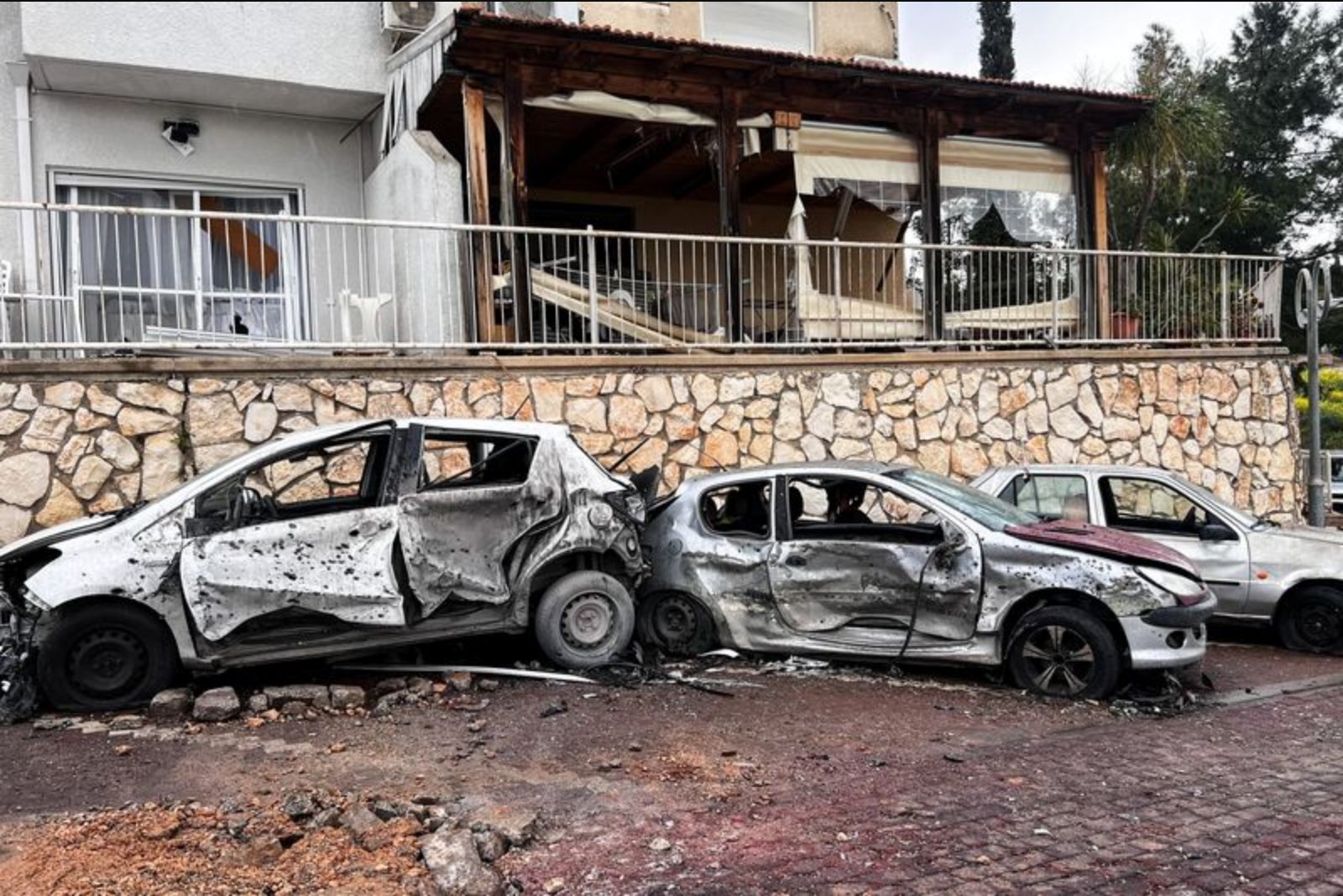
Lebanon was drawn directly into the broader conflict on March 2 when Hezbollah opened fire at Israel, saying it aimed to avenge the killing of Iran's supreme leader. Israel has since mounted a military response in Lebanon that officials say has resulted in more than 800 deaths in the country and forced over 800,000 people from their homes.
President Aoun has expressed the Lebanese state's willingness to engage in direct talks with Israel to seek an end to the war. The announcement of readiness for dialogue has come amid rising tensions in Lebanon over Hezbollah's armed status. Earlier this month the Beirut government issued a ban on Hezbollah's military activities; the group rejected that action and continued to fight, firing hundreds of rockets at Israel.
An Israeli official told Reuters on Friday that the campaign against Hezbollah would likely be intensified and could continue even after strikes on Iran subside. That assessment suggests a possibility of prolonged military operations even as diplomatic initiatives are explored.
Contextual note: The precise contours of any negotiation - including a timeline, the composition of delegations, and the detailed terms addressing disarmament and security arrangements - remain unclear pending formal agreement by both sides.
The coming days will be watched closely for confirmation of dates and the delivery of official notifications as both governments weigh public statements and on-the-ground military activity.