
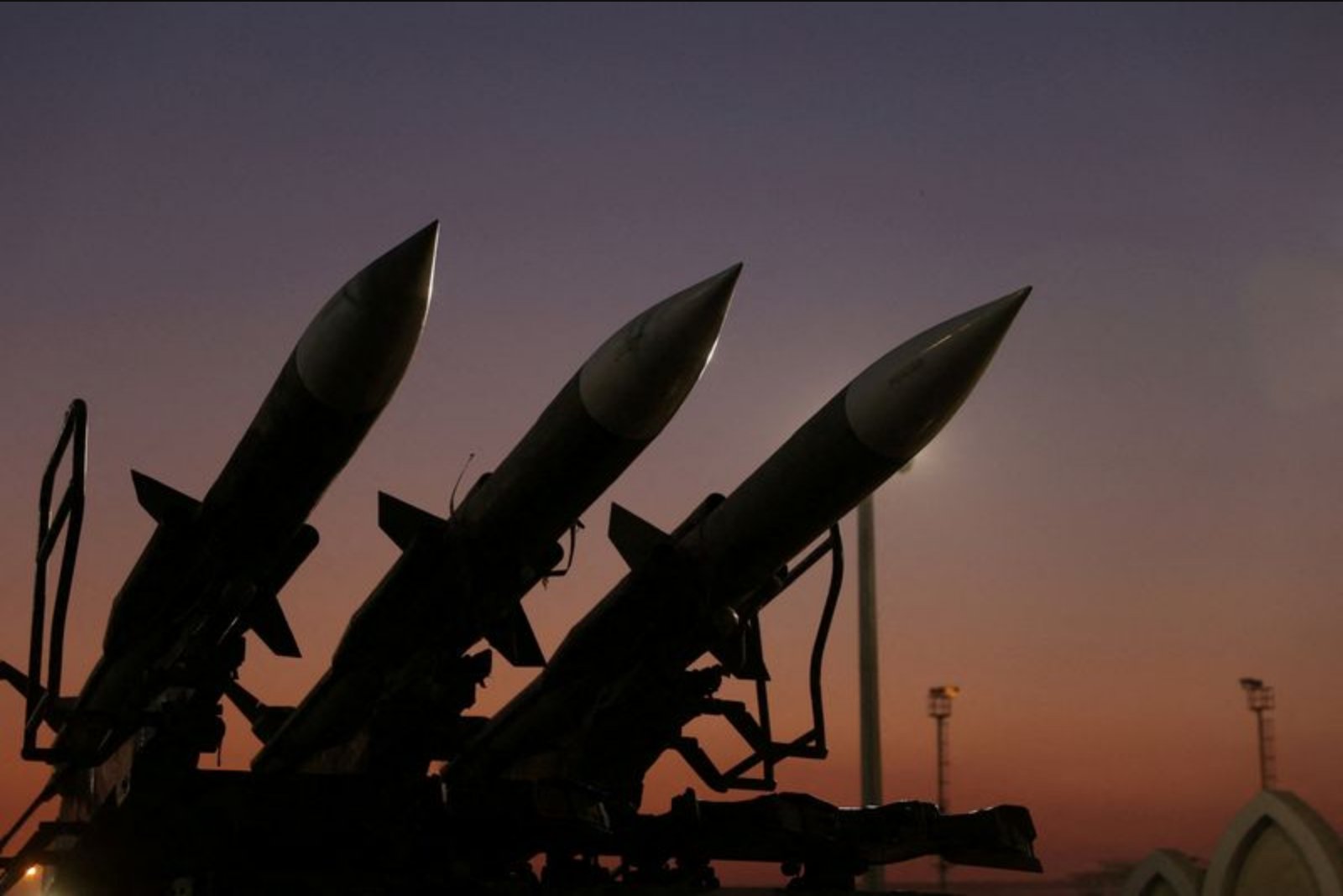
With its supreme leader killed and its military apparatus under intense U.S. pressure, Iran has moved to broaden the battlefield - launching missiles and drones that have reached beyond traditional regional boundaries and struck critical energy and military targets. The strikes have hit oil facilities, refineries and supply routes, produced sharp disruption to crude and natural gas flows and rattled markets globally.
Iranian projectiles have reached as far afield as Cyprus, Azerbaijan, Turkey and Gulf states, and some strikes have targeted U.S. bases, businesses and energy infrastructure - an escalation that has carried consequences for shipping and global energy security. The Strait of Hormuz - a maritime chokepoint that carries an estimated 20% of the world’s oil supply - has been closed, paralyzing shipments and contributing to a marked spike in energy prices.
Diplomacy without military backing
In the face of Iran’s widened response to U.S. and Israeli actions, Moscow and Beijing have so far limited themselves to diplomatic condemnations and calls for dialogue rather than direct military support. Analysts characterize this restraint as calculated: direct intervention on Iran’s behalf against the United States would carry high costs, limited upside and unpredictable dangers that neither Russia nor China appears willing to accept.
Anna Borshchevskaya, a Russia expert at the Washington Institute, said that President Vladimir Putin has other priorities - chief among them the war in Ukraine - and that it would be unwise for Russia to enter into a direct military confrontation with the United States. A senior Russian source echoed the view that the escalation around Iran and the Gulf is diverting attention from Ukraine, calling that diversion a fact and describing other reactions as emotional responses to a "fallen ally."
Both Beijing and Moscow had previously assisted Tehran in strengthening its military deterrent, supplying missiles, air-defence systems and related technology intended to complicate U.S. operations and raise the costs of attack. That assistance, however, appears to have limits: in the current crisis neither side has moved to transform diplomatic backing into direct military intervention.
Strategic constraints and paradoxes
The apparent reticence of China and Russia reflects a paradox: Iran remains strategically useful to both, yet not sufficiently indispensable to warrant open confrontation with the United States. For Russia, the grinding war in Ukraine has absorbed military, diplomatic and economic bandwidth, leaving limited capacity and appetite to shield partners in a new theatre. Preserving relations with oil-rich Gulf states and avoiding a wider escalation with Washington have become higher priorities than risking entanglement on Iran’s behalf.
"If Russia had supported Iran directly, it would have alienated the Gulf states and Israel," Borshchevskaya said, adding that such an outcome is not in Putin’s interest. The same calculus has led Moscow to hedge - preserving flexibility regardless of how the conflict evolves and signaling a willingness to build relations with any future government in Tehran. A Russian source referenced Syria as a precedent, noting that despite long-standing backing for Bashar al-Assad, Moscow retained Mediterranean bases and quickly established ties with a subsequent Syrian leader, Ahmed al-Sharaa, illustrating a pattern of trading declared loyalties for enduring leverage.
China’s calculus is shaped by different but related constraints. Beijing has deep commercial ties to both Iran and Gulf Sunni states and relies heavily on stable energy flows. Strategic emphasis on trade, investment and arms sales - as opposed to binding security commitments - has been a hallmark of China’s foreign policy, limiting its willingness to divert military assets or strategic attention from core priorities such as Taiwan and regional security in East Asia.
Evan A. Feigenbaum of the Carnegie Endowment for International Peace observed that China prefers partnerships grounded in commerce and investment rather than mutual defence obligations that might drag it into distant conflicts. Henry Tugendhat at the Washington Institute argued that Beijing will not move to redirect strategic attention or military forces from its primary security concerns, saying it mainly cares about its international standing and perceived threats closer to home.
Economic and strategic effects
The immediate economic reverberations of Iran’s strikes have been pronounced. With the Strait of Hormuz effectively shut and key infrastructure damaged, energy prices surged and global markets were destabilized. The disruption to crude and natural gas supplies has forced major economies to scramble for alternatives and underscored the sensitivity of markets to geopolitical shocks in the Gulf.
There are concrete gains for Moscow in a tighter energy market: higher oil prices strengthen the Russian war economy and place additional strain on Western responses. Moreover, U.S. forces tied down in the Middle East and the depletion of certain military stockpiles may reduce American capacity to focus on other theatres, at least temporarily.
China’s principal vulnerability is its dependence on oil transiting the Strait of Hormuz, which accounts for roughly 45% of its crude imports. Still, Beijing has taken steps to mitigate that exposure - holding strategic reserves and maintaining substantial volumes of Iranian oil already loaded in tankers or stored - positioning itself with buffers even as it refrains from direct intervention.
Mediation and positioning
From the sidelines, both China and Russia have sought to cast themselves as intermediaries. Chinese Foreign Minister Wang Yi has engaged with European and Arab ministers to press for dialogue, while President Putin has made calls to Gulf leaders and Iranian officials. Through these diplomatic moves, Moscow and Beijing aim to preserve influence and flexibility without committing to military involvement.
The current dynamics underscore a cautious, interest-driven approach by both powers: support Tehran enough to maintain leverage and to complicate U.S. options, but stop short of steps that would risk direct confrontation or alienate other regional partners whose cooperation remains important.
Outlook
The conflict’s expansion and the measured responses from China and Russia create a geopolitical environment in which Iran is increasingly isolated in practical terms, even as it exerts outsized effects on global energy and shipping. Moscow and Beijing’s restraint - shaped by competing strategic priorities, economic dependencies and the costs of escalation - signals a cautious balance between hedging and influence. How long that balance holds will depend on developments on the ground in the Gulf and the calculations of the major powers watching from the sidelines.